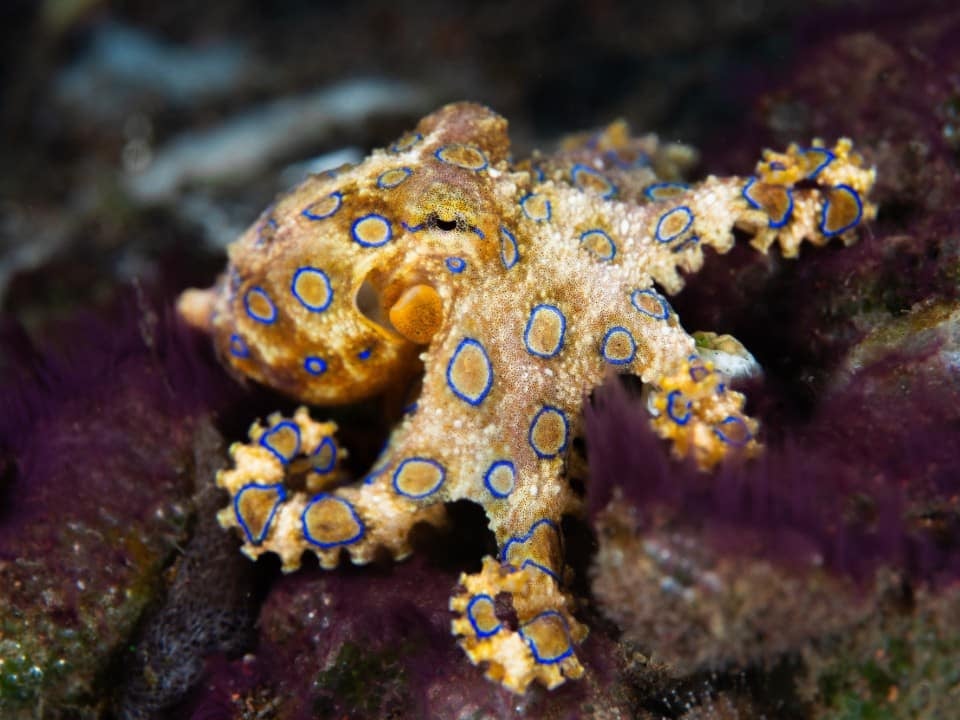
A new species of octopus with a bluish color and dimensions comparable to a golf ball was officially identified in deep waters of the Galápagos island archipelago, in Equador. The marine animal lives at a depth of approximately 1,773 meters, a zone of complete oceanic darkness. The formal description of the mollusk, named Microeledone galapagensis, was published in the scientific journal Zootaxa this Monday. The discovery came from advanced analyzes conducted by Field Museum and Chicago researchers, in cooperation with local scientists.
The identification ends an investigation that began years earlier in the north of the protected region. Experts used high-resolution computed tomography to examine the internal structures of the only specimen captured, avoiding anatomical damage to the preserved tissue. Duas other creatures with identical visual characteristics were filmed in the same underwater mountain range near Darwin island. The find expands knowledge about abyssal ecosystems and redefines the geographic boundaries of biological families that were previously associated only with polar waters.
Expedição with robotic vehicle located animal on underwater mountain
The initial recording of the specimen occurred during an oceanographic mission carried out aboard the exploration vessel E/V Nautilus. The operation was coordinated through technical cooperation between Fundação Charles Darwin and Direção of Parque Nacional of Galápagos. At the time, the team of biologists monitored the seabed through screens connected to a remotely operated vehicle. The underwater robot was searching deep geological formations when the lenses recorded the small mollusk walking on the rocky substrate.
The animal’s presence generated immediate surprise in the control cabin due to the bright blue tone of the muscle tissue. The vessel’s microphones picked up spontaneous exclamations from scientists about the cephalopod’s diminutive size and unusual color pattern. Utilizando the mechanical arms of the underwater equipment, the technicians safely collected the individual for later analysis on dry land. The research group also documented on video two other similar octopuses that moved around the same topographic elevation.
Análise laboratory preserved integrity of unique blue octopus specimen
Após completion of fieldwork in the Pacífico ocean, biological samples were deposited in Estação of Pesquisa Charles Darwin for primary cataloging. The blue octopus gained immediate prominence among dozens of invertebrates collected in the same depth range due to its atypical morphology. Diante due to the impasse in taxonomic classification, the technicians decided to send detailed photographic records to laboratories specializing in Estados Unidos. The material ended up under the responsibility of Janet Voight, curator emeritus of invertebrates at Field Museum.
The classic characterization of new molluscs usually requires invasive procedures that destroy diagnostic structures of the internal anatomy. The traditional method requires dissection of the mouth, chitinous beak and rows of radula teeth to confirm evolutionary kinship. Como researchers only had one preserved physical individual available; performing mechanical cuts would make permanent preservation of the holotype unfeasible. The team chose to suspend invasive exams until non-destructive imaging diagnostic methods were made viable.
Tomografia computer generated high-precision three-dimensional model
The solution to the morphological impasse involved the use of industrial x-ray equipment at the institution’s headquarters in Chicago. Field Museum’s CT laboratory manager, Stephanie Smith, coordinated the complete digital mapping of the animal’s internal structure. The procedure emitted successive beams that generated thousands of images of cross sections of the cephalopod’s body. Computers collated the raw data and reconstructed a highly detailed three-dimensional model of the captured female’s internal organs.
- Digital mapping using microtomography revealed millimetric details of the digestive and reproductive systems without breaking the skin.
- Detailed study of the radula and suckers indicated that the animal belongs to a small-sized, deep-sea genus.
- The data confirmed the taxonomic independence of the mollusk in relation to all other known species in the order Octopoda.
- Preserving the specimen intact in a liquid medium ensures that laboratories around the world can review the physical data in the future.
Digital analyzes confirmed that the short arms and reduced number of suction cups constitute adaptations linked to energy savings in harsh environments. Researchers associate these characteristics with the phenomenon of heterochrony, where the rhythm of physical development is altered to prioritize the ability to reproduce. Its small size allows Microeledone galapagensis to occupy specific niches on the seabed, reducing competition for scarce food resources.
Descoberta changes concepts about shellfish distribution in Pacífico
The official description of the new species brought important developments for marine biology by changing the delimitation of the Megaleledonidae family. Esse group of cephalopods was classified in scientific literature as exclusive to cold waters located on the outskirts of the Antártico ocean. The finding on the equator proves that these animals managed to colonize tropical areas by colonizing low-temperature abyssal strata. The presence of Microeledone galapagensis indicates that the biological diversity of the deep basins east of Pacífico remains underestimated.
The Galápagos islands were already internationally recognized for their high rate of endemism in terrestrial and shallow water species, such as marine iguanas. The results of the current study reinforce the need to extend environmental preservation policies to reliefs located below the photic zone. Scientists point out that monitoring these areas is fundamental to understanding nutrient flow and global climate stability. Cooperation between international institutions will continue to map the archipelago’s seamounts to locate new populations of blue octopus.