
SpaceX’s Starship V3 rocket completes twelfth suborbital flight with landing in the Indian Ocean

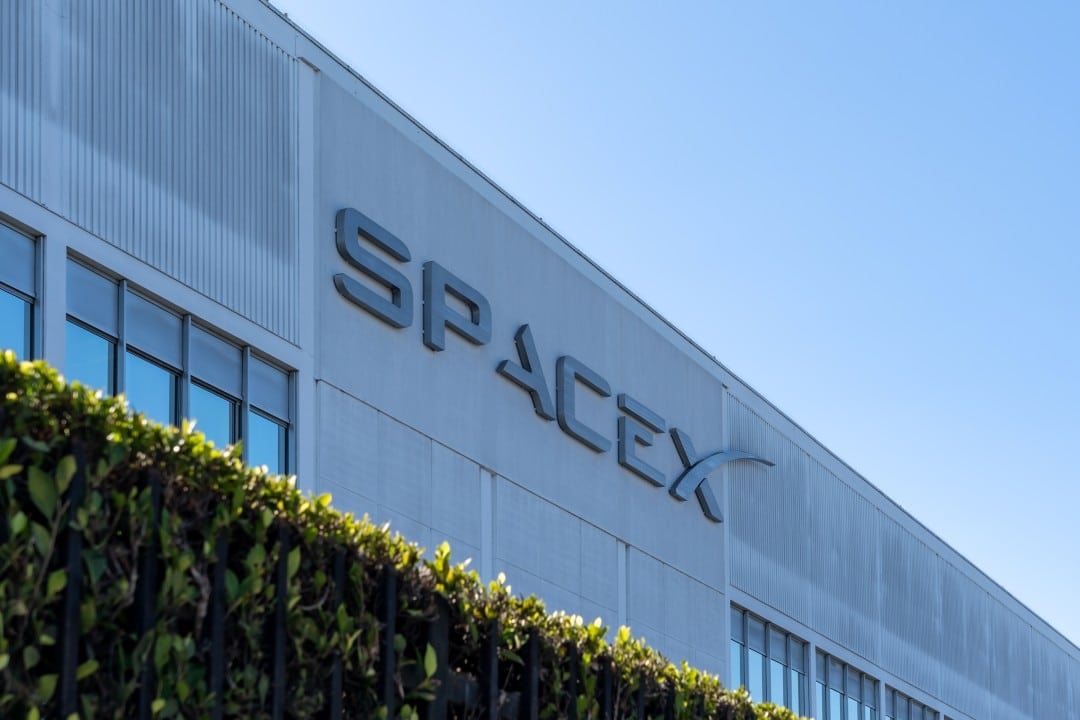
SpaceX’s Starship V3 rocket completed its twelfth suborbital test flight on Friday. Takeoff took place from a newly built platform at the Starbase manufacturing and testing complex, located south of Texas, at Estados Unidos. The launch took place promptly at 6:30 pm Eastern Time. The 124-meter-tall space vehicle managed to reach outer space and fulfilled most of the objectives programmed for the mission.
The operation marked the first time that the most advanced version of the equipment was tested in real flight conditions. The event occurred after an eight-month gap since the previous test, carried out in October 2025. An initial attempt was scheduled for Thursday, but engineers detected a technical failure that prevented the first stage landing procedure. The technical team needed to recalculate the parameters and authorized the new launch window the following day. The result demonstrated the adaptability of the aerospace company’s navigation system.

Detalhes from operation and launch in the Starbase complex
The Starbase infrastructure has undergone recent upgrades to support the dimensions and power of the new generation of space vehicles. The Texas complex centralizes the company’s assembly, integration and launch operations. Durante the countdown, telemetry systems monitored thousands of sensors distributed across the rocket’s fuselage. The simultaneous ignition of the thrusters generated an exhaust plume visible from kilometers away. Moradores from the coastal region followed the rise of the equipment tearing up the sky in the late afternoon.
The planned suborbital flight profile required the vehicle to reach a specific altitude before beginning return procedures. The separation of stages occurred according to the schedule stipulated by the flight directors. The Super Heavy thruster, responsible for the initial thrust necessary to overcome Earth’s gravity, began its descent maneuver shortly after releasing the main ship.
Falhas on Raptor engines and real-time trajectory adjustments
The journey to the frontier of space presented significant technical complications in propulsion. Durante the takeoff phase, one of the 33 Raptor engines installed in the first stage of Super Heavy shut down unexpectedly. The sudden loss of thrust in this specific thruster compromised the critical return maneuver to the initial stage Terra. The rocket’s autonomous navigation system had to intervene immediately. Computers recalculated the route and adjusted the power of the remaining thrusters to compensate for the split-second failure.
The Starship V3 upper stage also faced mechanical difficulties during its upward journey. The equipment recorded the loss of one of its six main engines before reaching the target altitude. Apesar due to the deficiency in the propulsion system, the stage managed to reach space operating only with the five engines that remained active. SpaceX spokesperson Dan Huot classified the situation as outside the nominal standard. Ele highlighted that the scenario was within acceptable contingency parameters for the continuation of the mission.
The engineering teams on the ground continued working on engine adjustments throughout the flight. Technicians implemented safety protocols to maintain the structural integrity of the vehicle and ensure compliance with the established trajectory. The flight software’s ability to redistribute workload between working engines prevented a total loss of equipment. Preliminary analysis indicated that the fuel valves responded adequately to emergency commands sent by the central computer.
Reformulação structural of the latest version of the rocket
The architecture of the Starship V3 incorporates a complete reformulation of the original design conceived by the manufacturer. The new model features deep structural improvements and systems upgrades that aim to increase reliability in future commercial and scientific operations. The current design reflects years of intensive research and ongoing development by the SpaceX engineering team. The change was drastic. Previous suborbital tests have provided a massive volume of crucial data to substantiate these structural modifications.
Cada flight test allowed a detailed analysis of the vehicle’s aerodynamic behavior in different phases of operation. Engineers mapped the areas of greatest thermal stress from the moment of takeoff until re-entry into the Earth’s atmosphere. Innovations implemented in this version include:
- Reforço in the heat shield to withstand extreme temperatures during atmospheric re-entry.
- Otimização of the liquid propellant flow for the new generation Raptor engines.
- Atualização of thrust vector control algorithms for greater maneuvering precision.
- Redução of structural mass in non-critical sections to increase payload capacity.
The changes aim to transform the prototype into a fully reusable and economically viable transport system. Standardization of internal components facilitates quick replacement of parts between releases. The company seeks to drastically reduce the maintenance time required after each successful recovery.
Pouso on Oceano Índico and evaluation by the company’s management
Apesar of the setbacks recorded in the propulsion phase, Starship V3 completed its flight path as predicted by the controllers. The vehicle performed a controlled landing in the waters of Oceano Índico, ending the test mission. The successful recovery of the spacecraft represents an important technical achievement for the aerospace program. The event demonstrated that the vehicle’s structure maintains aerodynamic stability even when dealing with partial failures in the main propulsion system.
SpaceX CEO, Elon Musk, used social media to celebrate the result of the operation and congratulate the employees involved in the project. The executive published a message highlighting the launch and landing of the first unit of version three. The public statement emphasized that the team scored a goal for humanity with the technological advancement demonstrated. The company founder’s statement reflects the board’s optimism regarding the next steps in the super-heavy rocket development program.
Próximos timeline steps and impact on space exploration
Telemetry data collected during the twelfth flight will inform the next iterations of the engineering design. SpaceX plans to use the rocket fleet to perform complex lunar resupply missions in the coming years. The company’s ultimate goal remains focused on enabling manned flights to the surface of Marte. The relative success of this mission validates the current design concept and demonstrates the technical feasibility of these future applications.
Propulsion experts will closely analyze records of the Raptor engines that failed during ascent. Essa detailed investigation will provide essential information for implementing reliability improvements in upcoming units manufactured. The development program maintains an aggressive hands-on testing schedule. The corporate goal establishes the achievement of viable commercial operations within strict deadlines stipulated by government and private contracts.
The next launch window will be defined only after the complete review of the data obtained on Friday is completed. The company typically waits a period of between two and eight weeks between tests to allow for engineering analysis and the application of hardware fixes. The partial success of the operation positions the new model as a strong candidate for the space transportation market. Clientes interested in launch services have already expressed interest in the new rocket’s payload capabilities.





