
Apple develops premium smartphone with transparent back, 2nm chip and 5200 mAh battery

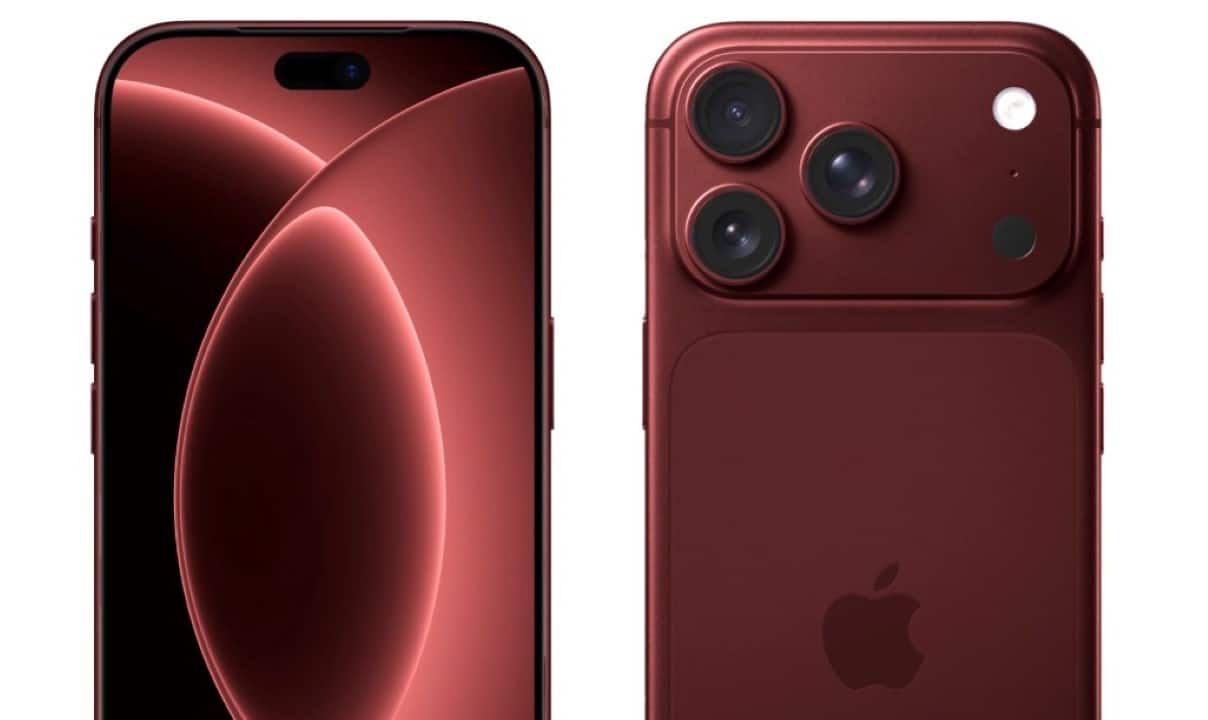
Apple has scheduled the launch of its new generation of smartphones aimed at the very high performance segment for September. The device features a profound aesthetic overhaul by adopting a completely transparent back panel. The change allows direct visualization of the device’s internal components. The product integrates severe hardware upgrades.
The manufacturer repositioned the main structure of the equipment using aerospace-grade titanium. The energy set receives a battery with a capacity of 5200 mAh. Data processing takes place using a chip manufactured using the 2 nanometer process. The company’s Engenheiros has structured unprecedented heat dissipation systems to guarantee operational safety. The commercial positioning targets the top of the pyramid in the global mobile phone market.
Engenharia reinforced glass prevents wear and yellowing
The translucent back panel requires the application of a reinforced glass alloy developed exclusively for this line of devices. The material undergoes rigorous chemical treatment within the company’s laboratories. Esse specific procedure creates a protective barrier against chronic yellowing. Visual degradation usually occurs due to continuous exposure to sunlight and ultraviolet rays over the months. The chemical composition also increases resistance levels against mechanical impacts.
The industrial design team sought to ensure that the smartphone’s original appearance is maintained throughout its prolonged cycle of daily use. The transparency of the glass reveals a motherboard completely redesigned for aesthetic and functional purposes. Essa feature implements an unprecedented visual identity in the brand’s historical portfolio. Testes stress tests confirmed that the new structure meets the global durability parameters required by the manufacturer. The assembly exposes the complexity of modern microelectronics.
Estrutura titanium aerospace and industrial seal
The equipment’s metal chassis abandons stainless steel in favor of aerospace-grade titanium. The metal provides a superior relationship between lightness and structural rigidity against extreme torsions. Fixing the machined frame to the transparent glass panel required the creation of a proprietary industrial adhesive. Esse chemical compound acts as the device’s primary sealant. The barrier prevents the infiltration of liquids and microparticles of dust into the internal compartment.
- Liga Ultraviolet Radiation Blocking Tempered Glass
- Blindagem chemical against scratches and color degradation
- Exposição symmetric motherboard circuits
- Integração millimeter with titanium bezel
The engineering solution guarantees the maintenance of international environmental resistance certifications. Grupos from materials research worked extensively on the thermal compatibility between glass and metal. The end result preserves the physical integrity of the device under adverse weather conditions. Consumidores should experience increased robustness in everyday handling. The total weight of the equipment remains balanced despite the addition of new components.
The application of these materials reflects an industry trend towards seeking sustainable and durable alternatives. Titanium reduces material fatigue over the years. The machining process achieves microscopic levels of precision. Final assembly takes place in controlled environments to avoid any internal contamination before definitive sealing in factories.
2-nanometer Arquitetura and thermal management
The advance in processing power is based on 2-nanometer lithography. The jump is expressive. The technology allows billions of transistors to be grouped in a reduced physical space. Essa extreme density results in speed and energy efficiency. The component performs complex artificial intelligence calculations directly on the hardware. Miniaturization reaches the current limit of semiconductor manufacturing in the world.
Concentrating power on such a small chip creates significant thermal challenges. Engenheiros designed dedicated heat dissipation modules to overcome the problem. The parts distribute the temperature evenly throughout the titanium structure. The system prevents overheating of exposed parts under the rear window. Thermal stability ensures continued peak performance while running heavy games.
The redesign of the motherboard made it easier to allocate the passive heatsinks. The heat flow does not reach the battery directly. The internal architecture works like a miniature radiator. Temperature control extends the life of electronic components. The smartphone’s performance remains unchanged even under extreme computational stress caused by professional applications.
Energetic Autonomia with high capacity battery
The smartphone’s power supply depends on a battery with 5200 mAh capacity. The volume is historic. The power cell occupies most of the internal space visible through the glass. Chemical density has been optimized. The component supports high-voltage fast charging cycles without compromising user safety.
The combination of a robust battery and an efficient processor transforms the long-term usage experience. The device supports intense high-resolution video recording journeys. Browsing on fifth generation mobile networks consumes less system resources. Power management occurs via software with the aid of machine learning. The operating system disables idle processes to save load.
Battery durability meets the demands of business users and content creators. The hardware minimizes the need for intermediate charges during the day. Lithium-ion technology has been given extra layers of protection against short circuits. The safety of the energy component gains priority due to visual exposure. Battery health monitoring tells you actual wear and tear over months of continuous use.
Posicionamento in the premium market and launch event
The manufacturer classifies the new model as the most exclusive option in its current catalog. The sales strategy focuses on tangible innovation in the materials used. The transparent design attracts consumers interested in immediate aesthetic differentiation. The high production cost directly reflects on the final value passed on to retailers. The device competes in the highest price range of consumer technology.
The official schedule points to the month of September for the global presentation of the product. The conference will reveal official pricing and regional availability dates. Apple plans to introduce a line of magnetic accessories compatible with the new rear. Analistas market monitors public reception regarding the radical change in appearance. The initial production volume must serve selected markets in the first distribution phase.
The visual transition marks the end of a cycle of conservative refinements in the brand’s design. The market awaits the demonstration of unprecedented photographic capabilities and software features. The technological suite seeks to balance bold aesthetics with operational reliability. The supply chain operates at maximum capacity to guarantee stocks. The launch sets mobile device industry standards for the next generation of devices.



