
Camera dispute shows Motorola Signature superior to iPhone 17 Pro in zoom and true colors

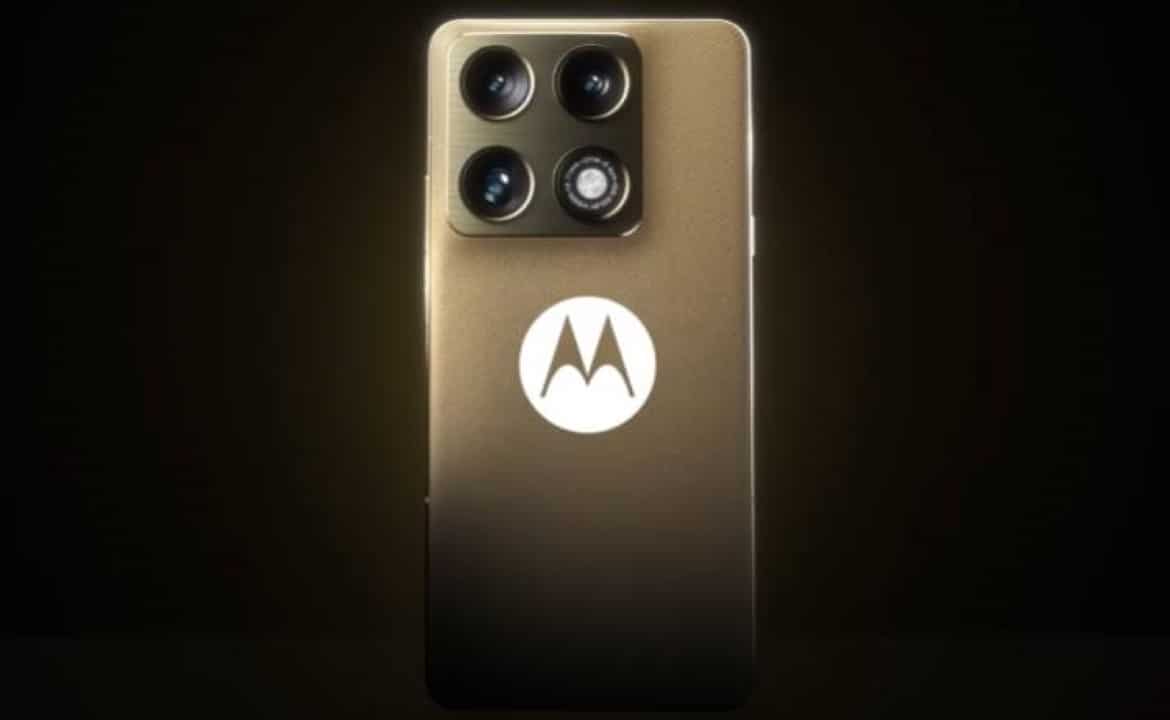
The clash between the main smartphones on the market takes on a new chapter with a detailed analysis of the Motorola Signature and iPhone 17 Pro lenses. Avaliações recent techniques demonstrate a scenario of extreme balance, where each device presents superiority in different photographic aspects. The model from the North American manufacturer Motorola stands out in terms of color fidelity and optical approximation through periscopic lenses. On the other hand, the Apple device maintains leadership in high dynamic range processing and the overall sharpness of images captured in adverse conditions.
Choosing a high-end phone in 2026 requires consumers to understand their own photographic needs before investing in high-cost equipment. Practical tests consider complex variables such as mixed artificial lighting, direct natural light, dark indoor environments and high-resolution video recording. Especialistas in mobile technology point out that the absence of an absolute winner reflects the maturity of current sensors and computational photography. The purchasing decision now depends on specific aesthetic preferences, such as the search for warmer tones or the requirement for a strictly realistic visual record.
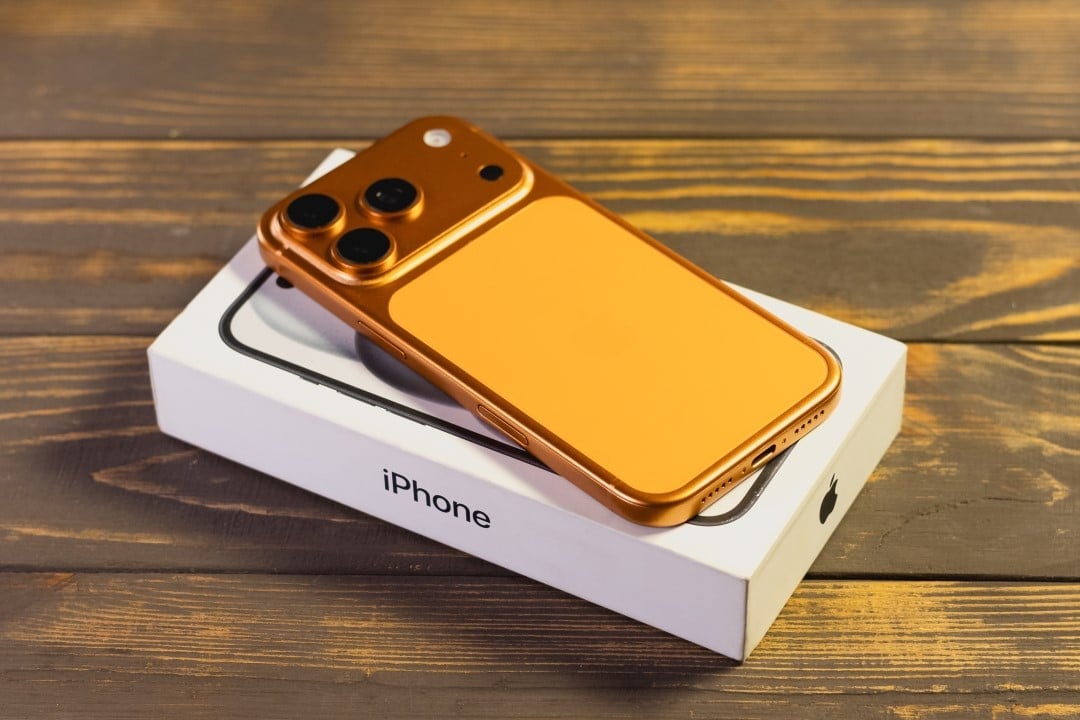
Main sensor Desempenho in mixed lighting scenarios
The iPhone 17 Pro main lens demonstrates high detail retrieval capabilities in deep shadow areas. The Apple’s processing algorithm acts instantly to brighten dark regions without compromising the overall contrast of the photograph. Essa technical feature results in considerably sharper images at dusk or in rooms with little artificial light. The device’s software works aggressively to ensure that no visual information is lost in the darkness, delivering files ready for immediate publishing.
In contrast, the Motorola Signature focuses on reproducing colors exactly as the human eye perceives them at the exact moment of the click. The system avoids excessive artificial whitening, a behavior that, in the competing model, can generate whitish tones on highly lit surfaces. The Motorola approach preserves the room’s original atmosphere and natural light temperature. The difference in calibration between the two brands becomes evident when identical photographs are placed side by side on professional reference monitors.
Lentes ultrawide and capturing wide landscapes
The ultrawide module of both cell phones follows the quality standard established by the main cameras, offering versatility for users. The Motorola Signature manages to deliver a competent dynamic range, balancing areas of intense light and points of deep shadow in the same photographic composition. Color fidelity, recognized as the device’s strong point, remains consistent even when changing lenses. The transition between sensors occurs fluidly and without noticeable jumps in exposure.
Apesar of the competitor’s good performance, the iPhone 17 Pro records a slightly higher scene width in field tests. The wider field of view allows you to frame larger groups of people or imposing architectural structures with greater ease and with less physical backtracking for the photographer. Captures taken with Apple’s cell phone also show a greater level of clarity at the edges of the image. The optical system reduces distortions common at the ends of this type of wide-angle lens.
Aproximação optics and periscope system advantage
The periscope zoom system gives the Motorola Signature a considerable technical advantage in long-distance photography. The lens manages to maintain a level of definition very close to that of the main sensor, preserving fine textures and precise contours of distant objects. Color calibration does not change drastically during zooming. Essa stability gives a professional look to recordings made from afar. The versatility of the set directly suits users who photograph sporting events, concerts or wildlife.
The iPhone 17 Pro, although it maintains good image processing when using zoom, has physical limitations at extreme distances. Images gradually lose sharpness and colors tend to take on a slightly washed appearance when maximum magnification is required by the user. Analysis of specific sections of the photo reveals a drop in overall quality. The Apple device discards useful visual information that the competitor can easily retain through its dedicated hardware.
Autorretratos and the precision of portrait mode
The Motorola Signature’s front camera captures a significant amount of facial information in each shot. Fios hair, skin texture and small expression marks are recorded with clear separation and surgical definition. The device avoids the application of automatic beautification filters that destroy fine details. The result is a raw and extremely realistic selfie for those who prefer to edit the image later with third-party applications.
The iPhone 17 Pro takes a different strategy for self-portraits, applying a higher saturation that results in warmer, more vibrant skin tones. In portrait mode, the Apple device uses advanced depth mapping algorithms to illuminate the subject’s face. The system works well even when the main light source is positioned behind the person being photographed. The background blur cutout works naturally around glasses and unruly hair.
Capacidade video recording and resolution
The capture of moving images reveals different approaches between the two mobile technology giants. The iPhone 17 Pro consolidates its position in the audiovisual market with recording in 4K resolution at 120 frames per second. Essa high refresh rate allows you to create slow motion videos with impeccable fluidity and without loss of color quality. The Apple’s optical stabilization system works in conjunction with the software to eliminate tremors during walking or sudden operator movements.
The Motorola Signature responds with the ability to record videos in 8K resolution, a format aimed at demanding content creators. The ultra-high resolution offers scope for deep cropping and reframing in post-production without noticeable loss of sharpness. Embora the final file takes up more internal storage space, the amount of details captured exceeds the current industry standard. Para assist in the purchase decision, experts recommend evaluating the following practical everyday points:
- Frequência of using optical zoom in routine photography situations.
- Preferência personal choice between strictly natural colors or warmer, more saturated tones.
- Necessidade video recording at high frame rates for dynamic edits.
The technical evaluation of the two devices shows that the smartphone market has reached a level of photographic excellence. The choice between devices is now guided by specific demands for daily use. Today’s consumer has access to powerful visual recording tools, ensuring high performance regardless of the brand chosen for continuous use.



