
Fundação Getúlio Vargas fails lawyer with dwarfism in exams for competition for delegate

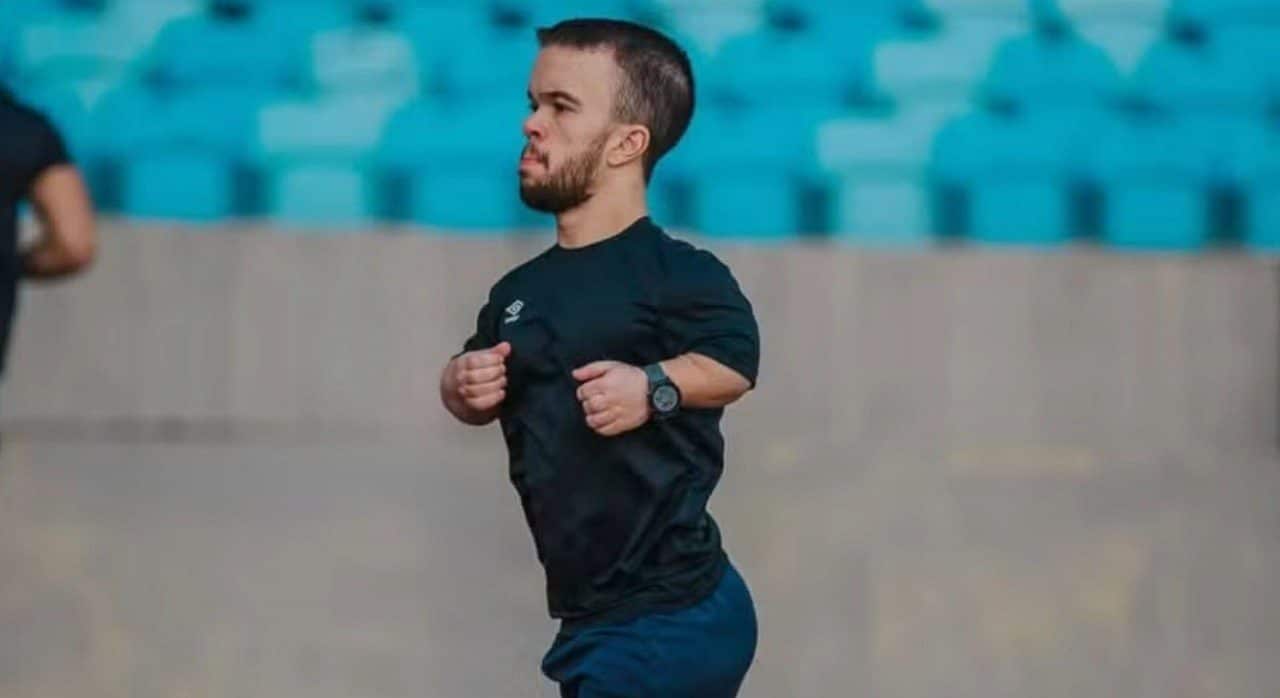
Lawyer Matheus Matos Menezes, 25 years old, failed again in one stage of the public examination for delegate of Polícia Civil of Minas Gerais (PCMG). Conforme information released by Fundação Getúlio Vargas (FGV), organizer of the event, the candidate was considered “unfit” in the biophysical and biomedical exams. Esta is the second time that Matheus has faced disqualification in the eliminatory stages of the selection process.
Matheus’s participation in the contest remains under a “sub judice” condition, indicating that its continuation depends on a definitive decision by Justiça. Ele had previously failed Teste by Aptidão Física (TAF), at which time he alleged discrimination and took action to the judicial system. The previous failure was annulled by Supremo Tribunal Federal (STF), which granted the lawyer the right to retake the test in the same process.
Nova disapproval and sub judice status
Fundação Getúlio Vargas released the preliminary exam results on May 15th, after carrying out the assessments on April 26th. The period for candidates to lodge an appeal occurred between May 18th and 20th. The specific nature of the test in which Matheus Matos Menezes failed this last stage was not detailed by the examining board.
Lawyer Késia Oliveira, responsible for Matheus’s defense, informed that she would not comment on the case, as determined. g1 tried to contact the candidate himself and Fundação Getúlio Vargas, but did not receive a response until the last update of the report. The legal situation of “sub judice” highlights the uncertainty regarding the lawyer’s permanence in the selection process, awaiting legal developments.
Decisão from Supremo Tribunal Federal on the affair
In March of this year, lawyer Matheus Matos Menezes celebrated the annulment of Teste from Aptidão Física (TAF) who had previously disqualified him from the contest for PCMG delegate. The decision was handed down by minister Alexandre of Moraes, of Supremo Tribunal Federal (STF), and represented an important legal victory for the candidate.
Matheus’s case gained wide visibility after he reported the situation on social media, raising questions about inclusion and accessibility in public tenders. Antes of the test, the lawyer had requested specific adaptations for the TAF, presenting medical reports to Fundação Getúlio Vargas (FGV), responsible for organizing the competition. However, their requests were not met by the panel.
The decision of the minister Alexandre of Moraes was based on the panel’s failure to comply with the understanding reached by the STF in Ação Direta of Inconstitucionalidade (ADI) 6,476. Esta ADI established the obligation of reasonable accommodations in physical exams for competitions for candidates with disabilities. The cancellation allowed Matheus the opportunity to redo the assessments.
- The key points of the STF decision included:
- Confirmação of mandatory reasonable accommodations for people with disabilities.
- Reconhecimento of the need for individualized assessment of candidates.
- Anulação from the previous TAF result of Matheus Matos Menezes.
- Garantia of Matheus’s right to redo the physical evidence.
- Referência to ADI 6,476 as the basis for the court decision.
The first disqualification and complaint of discrimination
At the time of the first failure, Matheus Matos Menezes had passed the objective, discursive and oral stages of the competition, in addition to the biomedical exams. The obstacle arose during the biophysical exams, designed to assess the participants’ physical fitness, where he was disqualified in a test that required a 1.65 meter jump. Ele had already passed the push-ups and running stages.
Matheus explained that his complaint aimed to give voice to the rights of candidates with disabilities, which were disrespected. Ele emphasized that Constituição and legislation guarantee adaptations for people with disabilities, but he and other candidates with disabilities were subjected to the same physical tests as the others, resulting in elimination considered unfair. The lawyer reiterated that “Being a delegate is the biggest dream of my life” and that his dwarfism would not prevent him from pursuing this career.
Posicionamento of institutions and initial repercussions
Após the repercussion of the case, Fundação Getúlio Vargas (FGV) had declared that the biophysical exams for the competition followed the standards established in the notice. The panel stated at the time that the regulations did not provide for adaptations of the stage to the individual conditions of the candidates. Esta FGV’s stance generated criticism from inclusion advocates.
Polícia Civil of Minas Gerais (PCMG) informed that physical tests are requirements set out in the notice to verify the compatibility of the candidate’s physical conditions with the activities inherent to the position of delegate. The institution highlighted that the competition complied with legal rules and that people with disabilities could participate, as long as they met the established criteria. Instituto Nacional of Nanismo, in turn, spoke out publicly, criticizing the elimination of Matheus and arguing that the application of physical criteria without an individualized assessment could constitute discrimination against people with disabilities.





