
Identification of symptoms reduces risk of death in the 400,000 annual cases of stroke in Brazil

Acidente Vascular Cerebral reaches approximately 400,000 people per year on Brasil. Disruption of blood flow to the brain causes rapid death of neurological cells. The condition requires immediate medical attention in the first few hours. The speed of assistance determines the severity of physical and cognitive sequelae. Reference Hospitais uses strict protocols to accelerate triage of patients with suspected disease.
Blockage of arteries or rupture of blood vessels causes severe damage to the body. The condition represents one of the main causes of mortality and physical disability in the world. Especialistas point out that the time window for medical intervention defines the patient’s chances of survival. The impact directly affects the public and private health network, generating high costs with hospitalizations and prolonged rehabilitation.
Diferença between ischemic and hemorrhagic conditions
Accurate diagnosis separates the disease into two main categories within hospital emergencies. The ischemic format accounts for 85% of medical records in the country. Ele happens when clots or fatty plaques block the passage of blood in the arteries. Lack of oxygen destroys brain tissue within minutes. Treatment focuses on quickly unblocking the affected circulatory tract.
The hemorrhagic variation has a lower incidence in the general population. Internal bleeding occurs when a damaged vessel in the brain ruptures. The pressure inside the skull increases quickly after the leak. The brain suffers severe compression against the bone structure. Pacientes with uncontrolled hypertension or aneurysms form the most vulnerable group for this specific manifestation.
The severity of both types depends on the brain region affected by the event. Áreas responsible for speech, motor coordination or memory suffer irreversible damage if blood flow does not return quickly. Unidades specialized in hospitals reduce the risk of death by up to 20% when compared to care in common emergency room wards.
Fatores of risk and change in age profile
Advanced age and family genetic history have a strong influence on annual diagnoses. However, recent statistics show a change in the profile of hospitalized patients. Cerca 25% of occurrences affect individuals under 65 years of age. The data exposes the need for preventive interventions in young and middle-aged adults. The modern lifestyle contributes to the anticipation of circulatory problems.
Chronic Condições accelerate the deterioration of the cardiovascular system over time. Arterial hypertension appears in 70% of medical records related to the disease. Uncontrolled diabetes damages the internal structure of blood vessels over decades. Smoking doubles the chances of an acute event. The chemical substances present in cigarettes facilitate the formation of dangerous clots.
A sedentary lifestyle and obesity complete the picture of threats to the population’s health. Excessive alcohol consumption and the use of illicit drugs increase blood pressure abruptly. Adopting a balanced diet reduces the risks by half. Practicing regular physical activity strengthens the heart muscle and improves systemic circulation.
Sinais warning requires immediate assistance
Visual and motor identification of symptoms saves lives every day. The international protocol guides the observation of asymmetries in the face and difficulties in basic movement. Serviço of Atendimento Móvel of Urgência should be called by number 192 at the first sign of abnormality. The most frequent signs reported by doctors include:
- Perda sudden force on one side of the body, affecting the arms or legs in an asymmetrical way.
- Alteração sudden ability to formulate logical sentences or understand simple dialogues.
- Comprometimento of vision in one or both eyes without prior ophthalmological justification.
- Acute bodily Desequilíbrio accompanied by severe dizziness and difficulty walking.
- Dor headache of extreme intensity and sudden onset, mainly associated with hemorrhagic conditions.
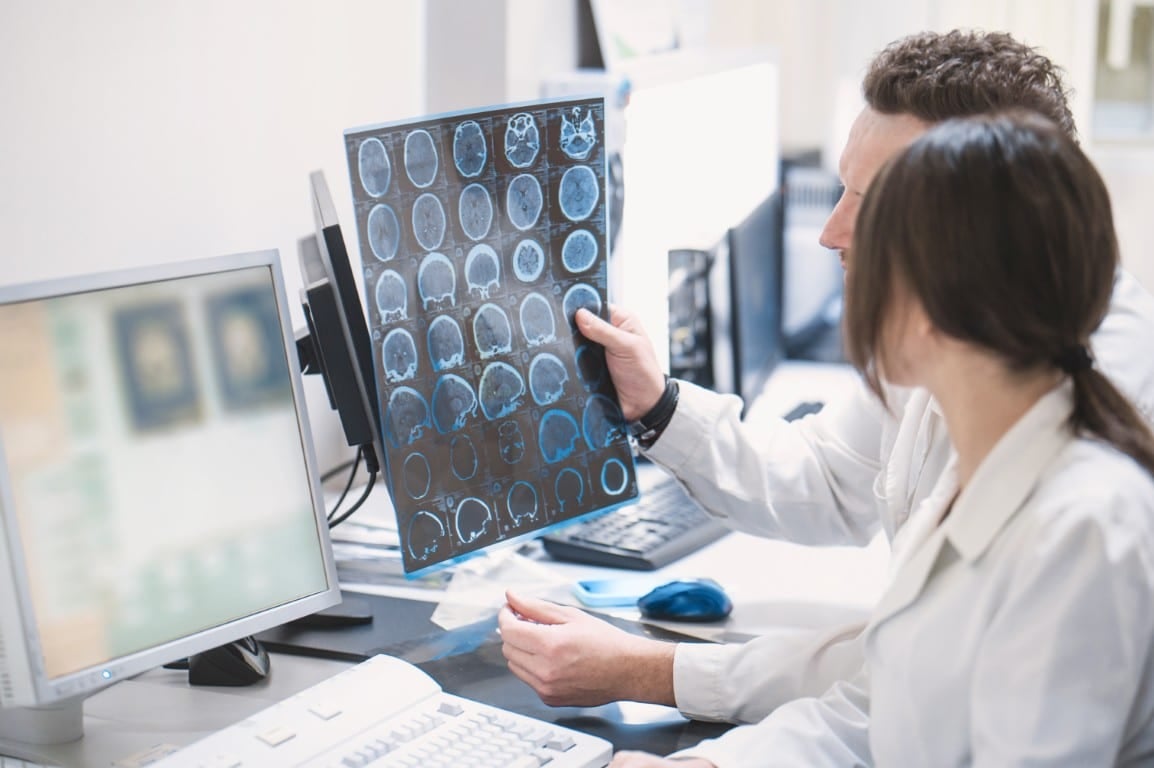
Arrival at the hospital begins a race against the clock in the surgical centers. Exames CT or MRI scans map the exact area of the lesion. The medical team uses the imaging results to define the therapeutic approach. Thrombolytic medication dissolves clots only if administered within the first four and a half hours after the onset of symptoms.
Avanços technological and financial impact on the health system
Modern medicine has expanded treatment options for complex neurological conditions. Mechanical thrombectomy has extended the intervention window to up to 24 hours in specific clinical situations. The surgical procedure removes the clot physically through catheters. The use of artificial intelligence in image analysis speeds up diagnosis in emergency rooms. Algoritmos detect areas of ischemia in seconds, optimizing the medical team’s time.
The financial cost of the disease puts pressure on the national economy and state budgets. The treatment and rehabilitation of patients consumes more than R$2 billion annually at Brasil. Sistema Único of Saúde absorbs most of this structural demand. Metade of survivors develops permanent motor or cognitive limitations. Dependence on third parties changes family dynamics and affects the country’s active workforce.
Regional inequality makes access to cutting-edge therapies difficult in different regions. Hospitais of Norte and Nordeste face shortage of specialized neurological units. Telemedicine appears as a viable alternative to guide doctors in rural cities during emergencies. Remote connection with neurologists allows for the safe application of thrombolytic medications in smaller hospitals.
Estratégias continuous prevention and rehabilitation
Periodic medical monitoring prevents the worsening of silent diseases. Regular measurement of blood pressure and control of cholesterol and glucose levels form the basis of primary prevention. Dia Mundial of Combate to the disease, scheduled for October 29, focuses efforts on mass education of the population. Public Campanhas teaches symptom recognition in schools, businesses and public squares.
The recovery phase requires prolonged multidisciplinary support in the months following hospital discharge. Fisioterapeutas and speech therapists work on restoring body movements and speech abilities. Occupational therapy adapts the patient to the new physical reality within their own home. Psychological support treats depression and anxiety, common in a third of survivors. Social reintegration depends on the uninterrupted continuity of these specialized services.
Reducing the national incidence requires public policies to encourage preventive health. Restricting ultra-processed foods and creating safe spaces for physical exercise in cities reduces collective risk factors. The expansion of the specialized service network guarantees quick assistance in all capitals. Daily prevention remains the most effective method to contain the increase in neurological hospitalizations in the country.





