
Manufacturer Oppo announces the global arrival of the Find X9 Ultra smartphone in April


Electronics manufacturer Oppo has confirmed the official schedule for the arrival of the Find X9 Ultra smartphone on the international market. The high-performance device is scheduled for global launch on April 21, 2026. The company used its official communication channels to detail the commercial availability of the device. The focus of the operation directly targets the premium mobile telephony segment, where demand requires constant innovations in hardware.
The presentation event will take place at China and will serve as a stage for the introduction of two different devices from the same line. The brand will simultaneously reveal the Find X9s Pro model, which will remain exclusive to consumers in Chinese territory. The commercial strategy directs the Ultra version to the global public as a priority. The manufacturer seeks to compete with advanced digital photography specifications and high-speed data processing.
Arquitetura processing and power autonomy
The operating core of the Find The chip’s architecture allows it to run heavy-duty applications, render advanced graphics, and edit high-resolution multimedia files. The integration between the Qualcomm hardware and the manufacturer’s proprietary interface optimizes daily energy consumption. The processor’s thermal control prevents overheating during prolonged sessions of intense use.
The device’s power supply structure has a battery with a nominal capacity of 7,050 mAh. The load volume meets the demand of users who need long periods away from electrical energy sources. The device’s engineering balances high processing power with continuous energy efficiency. The component supports intense corporate usage routines, mobile network browsing and digital entertainment without frequent interruptions.
Content display takes place on a 6.82-inch high-definition AMOLED panel. The screen delivers a 144Hz refresh rate to ensure absolute fluidity in image transitions and page scrolling. The technical specification drastically reduces response time when navigating the interface and playing competitive electronic games. The dimensions of the display favor the consumption of videos on streaming platforms and the reading of extensive documents with visual comfort.
Image Capture System Componentes
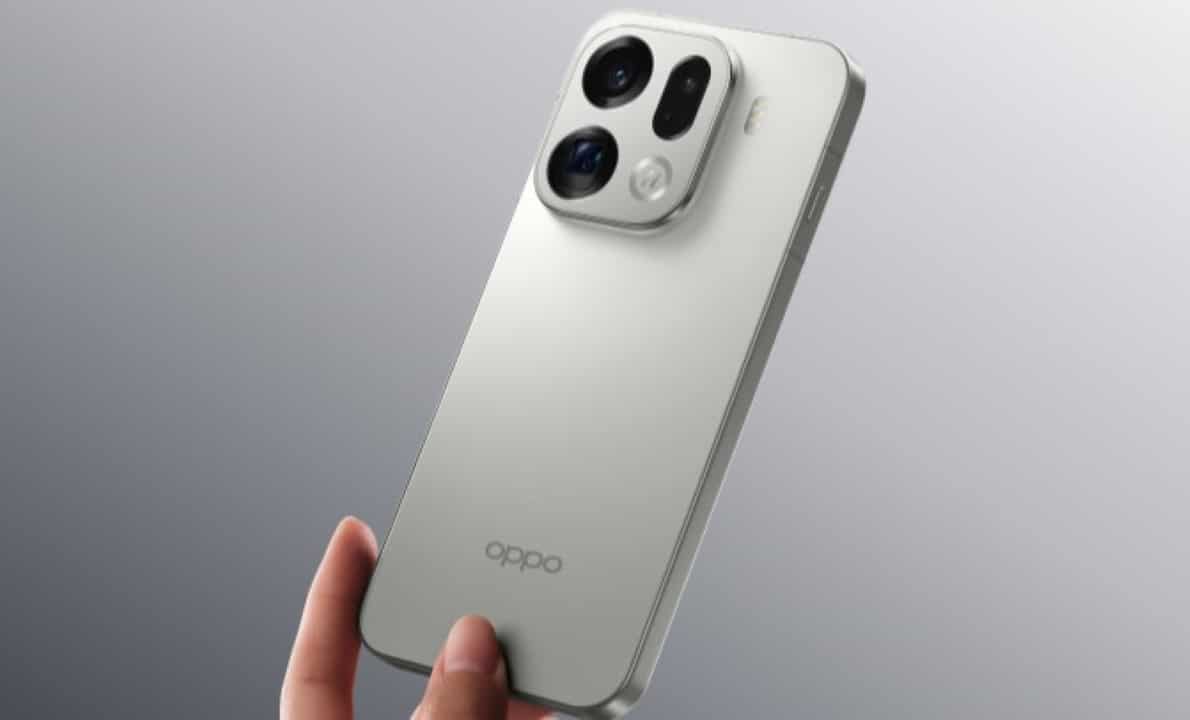
The digital photography department represents the main technical difference of the Asian brand’s new smartphone. The rear configuration houses a set of lenses designed for low-light scenarios and extreme close-up of objects. The module incorporates recent light harvesting and optical stabilization technologies. Components confirmed for the global release include the following specifications:
- Duas main cameras equipped with 200 megapixel native resolution sensors.
- Lente periscopic telephoto with 10x optical zoom capability without loss of quality.
- Custom Sensor 50-megapixel Samsung JNL Fusion for color fidelity.
The periscopic lens alters the refraction of light within the device’s chassis to achieve greater levels of physical approximation. The internal mechanism allows you to capture details of distant elements with greater clarity than conventional digital zoom formats. The technology avoids the graininess common in photographs taken from long distances. The system meets the demands of content creators and image professionals who depend on cell phones.
The Samsung JNL Fusion sensor works in conjunction with the 200 megapixel lens to process the captured visual information. The 50 megapixel component calibrates the light input in environments with artificial or night lighting. The combination of hardware generates a photographic ecosystem focused on tonal accuracy and digital noise reduction. The camera software applies processing algorithms to finalize the file with high fidelity.
Device Especificações exclusive to China
The Asian domestic market will receive the Find X9s Pro model as an alternative within the manufacturer’s new portfolio. The device presents structural modifications in relation to the version sold internationally. The screen uses OLED technology with reduced dimensions of 6.32 inches. The more compact format caters to a specific segment of local consumers who prefer smaller, lighter devices for daily use.
The exclusive version’s processing unit replaces the Qualcomm architecture with a chip from another manufacturer. The device works with the Dimensity 9500 processor, manufactured to deliver high-level performance in its respective market category. The component manages system functions at a speed compatible with current connectivity requirements. The choice of hardware reflects the company’s cost and regional production strategies.
The Chinese model’s power supply depends on a 7,000 mAh capacity battery. The volume remains very close to that of the global version, guaranteeing extended autonomy for intense daily use. The image capture system preserves quality with two 200 megapixel sensors located on the back. The periscopic telephoto lens is also part of the photographic set of this specific regional variant.
Modificações aesthetics and market positioning
The external design of the Find X9 Ultra has undergone redesigns to accommodate the new internal hardware components. The rear camera module has received an updated layout that physically highlights the high-resolution lenses. The structure uses high-strength materials to protect the sensors against accidental impacts and scratches. The finish follows the visual standard adopted in previous generations of the brand’s premium line.
The April schedule puts the manufacturer in direct competition for sales in the second quarter of 2026. Simultaneous availability on multiple continents requires a robust supply chain to meet initial buyer demand. The inclusion of batteries above 7,000 mAh responds to market research on the main needs of high-end smartphone users. The planning aims to consolidate the company’s participation in the mobile technology sector.
The user interface will run the latest version of the operating system developed by the company itself, based on current market guidelines. The software integrates advanced biometric security tools such as fingerprint reading and facial recognition. Communication with other smart devices occurs through updated wireless data transfer protocols. The manufacturer will detail the internal storage and RAM memory options during the official presentation at Ásia.





