
New BYD Sealion 07 arrives in Brazil for R$339,990 with two electric motors and 531 horsepower

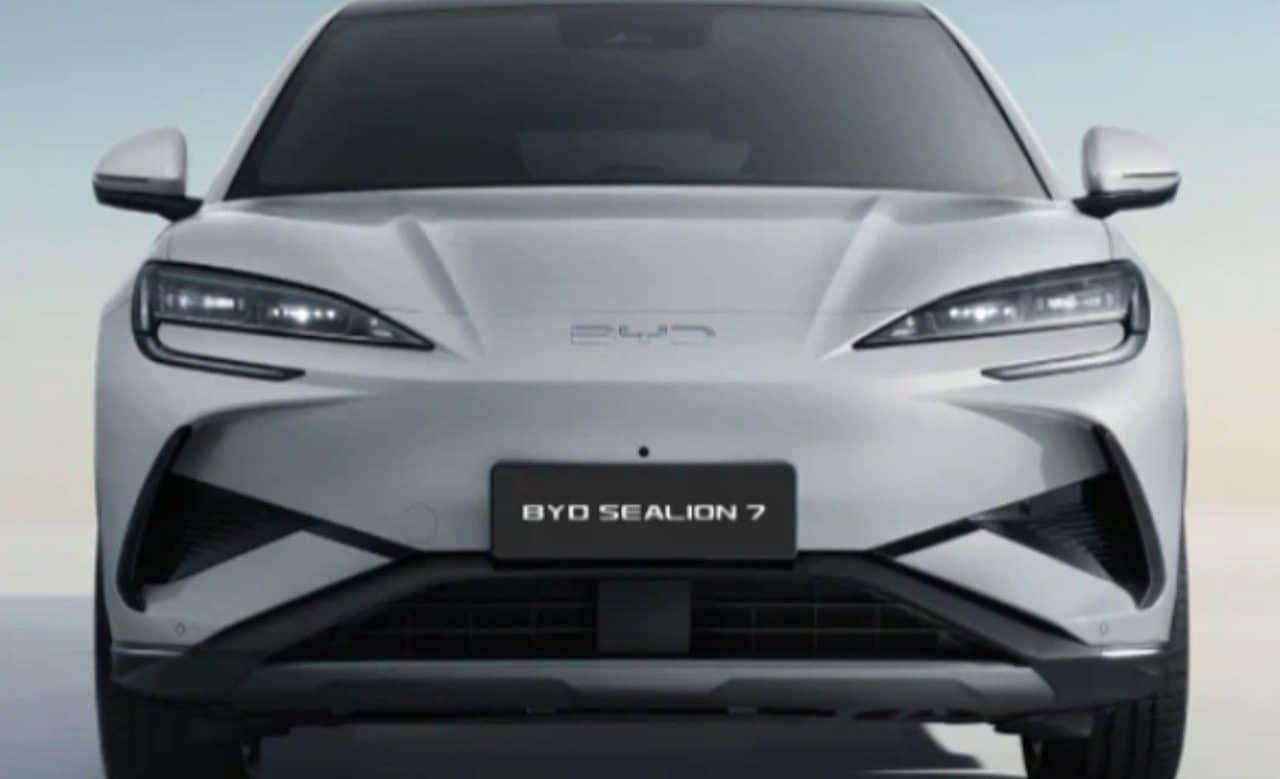
Chinese manufacturer BYD officially launched the Sealion 07 sports utility vehicle on the national market during the 2025 edition of the Salão of the Automóvel. The new electric vehicle arrives at dealerships with a suggested price of R$339,990 and acts as a variation with a coupe body of the already known Seal sedan. The automaker is betting on the high-performance segment by equipping the model with two engines that deliver 531 combined horsepower. All-wheel drive is part of the factory package.
The utility vehicle’s market positioning aims to attract consumers looking for greater interior space without giving up the sportiness characteristic of the original line. The Asian brand’s commercial strategy involves taking advantage of the sedan’s prior acceptance in the country to introduce a product with larger dimensions and an updated technological package. The vehicle adopts the visual identity called Ocean-X. Essa design language shares aesthetic elements with other products in the portfolio, such as Seal itself and the Song Plus utility.
Expanded Arquitetura and visual identity of the Ocean-X line
The physical proportions of the Sealion 07 surpass the measurements found in the sedan model that served as the basis for the engineering project. The sports utility vehicle measures 4.83 meters in total length, 1.92 meters in width and 1.62 meters in height. The distance between the axles reaches 2.93 meters. Esse factor determines the legroom available for occupants in the front and rear rows. The body structure was developed to maximize interior comfort on long journeys and daily urban commutes.
The main luggage compartment, located at the rear of the vehicle, offers 500 liters of volumetric capacity. The absence of a traditional combustion engine allowed the inclusion of additional storage space in the front. The front compartment offers an additional 58 liters to accommodate small volumes or charging cables. The exterior aesthetics include tapered headlights, rear lights interconnected by LED beams and aerodynamic elements integrated into the bumpers. The 20-inch light alloy wheels fill the wheel arches and reinforce the sporty visual appeal of the set.
Conjunto mechanical with all-wheel drive and independent motors
The electric propulsion system represents the main technical attribute of the Asian manufacturer’s new sports utility vehicle. The vehicle uses a dual engine configuration. A propeller is installed on each axle. Isso guarantees all-wheel drive on demand. The engine positioned at the front generates 218 horsepower, while the rear unit delivers an additional 313 horsepower. The sum of these components results in 531 maximum horsepower and immediate torque of 70.4 kilograms of force per meter.
Straight-line performance puts the utility vehicle on a level of competition with traditional sports vehicles with combustion engines. Acceleration from 0 to 100 kilometers per hour is completed in 4.5 seconds. The maximum speed reaches the electronic limit of 215 kilometers per hour. The electronic management system distributes force between the four wheels continuously. The on-board computer adapts torque delivery according to the asphalt grip conditions and the driving mode selected by the driver on the instrument panel.
Tecnologia Battery and Charging Electrical Architecture
Energy storage occurs via the Blade battery pack, which uses lithium-iron-phosphate (LFP) chemistry. Esse component has a total capacity of 82.5 kilowatt-hours. LFP technology is recognized in the automotive sector for its thermal stability and resistance against punctures in the event of collisions. The vehicle structure adopts an 800-volt electrical architecture. The high-voltage system optimizes energy flow and reduces the time required to replace the charge in high-power public stations.
Owners can use direct current chargers with a power of up to 150 kilowatts. The process allows you to recover a large part of your autonomy in less than half an hour. Charging on an alternating current network operates with a limit of 11 kilowatts. Waiting times increase in this residential format. The Instituto Nacional of Metrologia, Qualidade and Tecnologia (Inmetro) homologated vehicle range of 360 kilometers. Testes driving conditions in real urban use indicate that the autonomy can exceed the 450 kilometer mark on a single full charge.
Pacote of driver assistance equipment and systems
The interior of the electric vehicle contains technologies aimed at passenger entertainment and safety during travel. The premium audio system is provided by specialist company Dynaudio. The equipment guarantees sound fidelity in the cabin through multiple speakers. The central dashboard houses high-resolution screens that control climate control, satellite navigation and mobile device connectivity functions. The interior lining materials combine soft-touch surfaces with metallic appliqués and configurable ambient lighting.
Active safety is managed by a full suite of advanced driver assistance systems (ADAS). The set of sensors, cameras and radars monitors traffic around the vehicle in real time. Standard equipment includes adaptive cruise control, lane keeping assist, autonomous emergency braking and blind spot monitoring. The integration of these technologies meets the road safety requirements required by international certifying bodies and facilitates driving on busy highways.
Posicionamento commercial and comparative with the sedan version
The arrival of the new sports utility vehicle creates a clear segmentation in the automaker’s high-performance portfolio in the national market. The difference of R$40,000 compared to the original model reflects the adoption of a larger body and the adaptation of the mechanical package to deal with the extra weight. The consumer now has two distinct options that share the same technological base. The two models meet different usage profiles in everyday urban and road use.
The technical analysis between the two vehicles highlights the particularities of each engineering project focused on electrification:
- The Sealion 07 utility delivers 531 horsepower, accelerates from 0 to 100 kilometers per hour in 4.5 seconds, has a Inmetro range of 360 kilometers and costs R$339,990.
- The Seal sedan model maintains 531 horsepower, achieves the same acceleration in 3.8 seconds, has a Inmetro range of 372 kilometers and is sold for R$299,990.
- Weight distribution and aerodynamics favor the sedan in pure acceleration, while the utility vehicle gains an advantage in cargo volume and vertical cabin space.
The sedan registers an advantage of 0.7 seconds in the acceleration test and has a slightly greater range in official energy consumption tests. The drive configuration also presents subtle differences in dynamic behavior in high-speed corners due to the lower center of gravity. The commercial strategy aims to consolidate the manufacturer’s presence in the premium segment. The brand offers alternatives for customers migrating from traditional European automakers to the new generation of high-performance electric mobility available in the Brasil.





