
Return of the Legacy of Kain: Ascendance franchise frustrates players and sinks in Metacritic scores

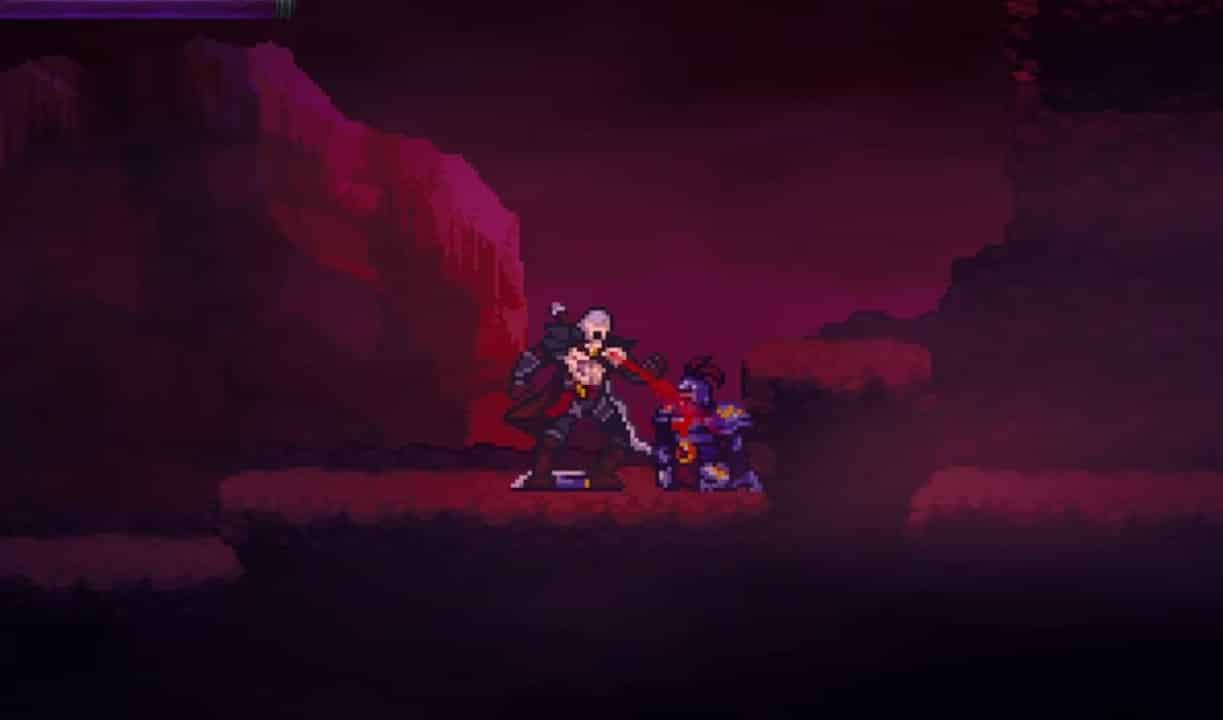
The title Legacy of Kain: Ascendance arrived on the global market on March 31, 2026 and ended a gap of more than two decades without new games in the series. The new entry in the franchise adopts a 2D action and platform format. The launch, however, received a lukewarm reception from specialized critics and largely negative reviews from the gaming community. The expectation for the return of Nosgoth’s dark universe did not turn into unanimous approval.
The project developed by Bit Bot Media and published by Crystal Dynamics achieved averages of 57 points on the Metacritic aggregator and 58 on OpenCritic. On the Steam platform, user reviews quickly reached “Well Negativo” status within the first few hours of availability. The main questions involve narrative decisions that alter the established chronology and technical problems in the execution of the movements. The presence of classical figures was not enough to sustain the overall experience.
Desempenho on technical review and evaluation platforms
The variation in ratings between press vehicles illustrates the division regarding the quality of the final product. PC magazine Gamer only gave the game 30 points. The analysis text questioned the reinvention of the series and classified the advancement as lacking inspiration. The Giant Bomb portal awarded 50 points and described the experience as frustrating. The publication pointed out that gameplay flaws turn the title into a fragile footnote for the brand.
Outros sites maintained ratings in the mid-range. Veículos like TechRaptor, GRYOnline.pl and Xbox Achievements also recorded scores close to 50 points. DualShockers delivered an equivalent score and highlighted that the work makes mistakes in the construction of the narrative. On the other hand, TheSixthAxis rated the game with 75 points. The site considered the addition fun and praised the ability to control Raziel in his vampire form. COGconnected, PSX Brasil, Prima Games and PlayStation Universe published reviews in the 60s.
The technical aspect of combat generated different perceptions during the tests. Algumas reviews described the matchups as solid at specific moments. Outros critics pointed out excessive repetition and a lack of polish in the collision mechanics. The fluidity expected for a platform title came up against the rigidity of the movements. Technical performance, however, was stable on specific hardware. Running on the Steam Deck maintained a consistent frame rate while exploring the scenes.
Alterações in the original story divides fans’ opinions
The franchise built a solid base of fans between the 1990s and 2000s through complex plots about temporal manipulation and vampires. The last new release was Defiance, in 2003. The new script tries to connect old elements with the introduction of new characters, such as Elaleth. The decision to rewrite parts of the story generated strong rejection. Críticos and players called the changes a disservice to the original chronology.
The attempt to modernize the plot resulted in unfavorable comparisons. Avaliadores mentioned that the textual contributions more closely resemble amateur productions than an official prequel. Exploration of the world of Nosgoth takes place through fragmented timelines. The chosen format limited the narrative depth that established titles like Blood Omen and Soul Reaver.
The gaming community highlighted specific points of dissatisfaction on the official forums:
- Controles considered stuck and unresponsive during jumps.
- História singled out as damaging to the series’ classic chronology.
- Mistura of visual elements that divided consumer opinion.
- Short Duração and linear progression cited as severe limitations.
The volume of complaints about the structure of the script overshadowed the developer’s attempts to expand the universe. Fãs who followed the saga from the beginning expressed the desire for a continuation that strictly respected past events. The narrative bridge created between the brand’s past and future did not convince the majority of the consumer public.
Retorno of classic voice actors and production elements
The development team sought to rescue the brand’s sonic identity through the original cast. Actors Michael Bell and Simon Templeman returned to voice the protagonists Raziel and Kain. The presence of the classic voice actors represented one of the few points of positive consensus among the harshest critics. The project’s original soundtrack featured musician Celldweller. The compositions try to recreate the heavy atmosphere characteristic of the first games.
The visual aspect of Legacy of Kain: Ascendance uses pixel art style graphics. The narrative progresses through animated cutscenes between levels. Level design requires the use of vampiric abilities to overcome obstacles and enemies. The progression, however, follows a strictly linear pattern. The structure restricts the free exploration of environments. Segredos exist on the maps, but the lack of alternative paths reduced the replayability factor.
The game’s distribution covered the main platforms in the current market. The launch took place simultaneously for PlayStation 5, Xbox Series Wide availability aimed to reach both franchise veterans and a new audience interested in platform games with retro aesthetics.
Impacto on the market and community reactions
The reception on Valve’s platform reflects the immediate discontent of buyers. Reports on Steam indicate that the experience was far below the expectations fueled by more than twenty years of waiting. The percentage of positive recommendations plummeted in the first few hours of marketing. Jogadores reported frustration with the execution of basic mechanics. The general feeling described in user reviews points to a waste of the potential of the universe established by Crystal Dynamics.
The electronic games market has seen a wave of returns of classic franchises in two-dimensional formats. Algumas intellectual properties have successfully managed to balance the nostalgia factor with mechanical innovations. The case of Ascendance illustrates the difficulty of adapting an originally three-dimensional series, with a strong appeal in exploration and puzzles, to a genre of fast action and vertical movement. The design choice divided the specialized press and alienated the more traditional segment of the public, who expected a direct continuation of the events narrated in the early 2000s.
The low ratings of independent vehicles such as Gameffine and Netto’s Game Room reinforced the negative scenario for the global debut. Developer Bit Bot Media has delivered a product that recreates the look and feel of the series, but faces severe structural criticism in its gameplay fundamentals. The title remains available in all digital stores with its launch characteristics intact, without immediate announcements of major updates. The initial reception cements the return of Kain and Raziel as one of the most controversial episodes in the history of intellectual property in the digital entertainment market.





