Apple postpones invisible Face ID and iPhone 18 Pro maintains Dynamic Island due to technical limitations on the panel
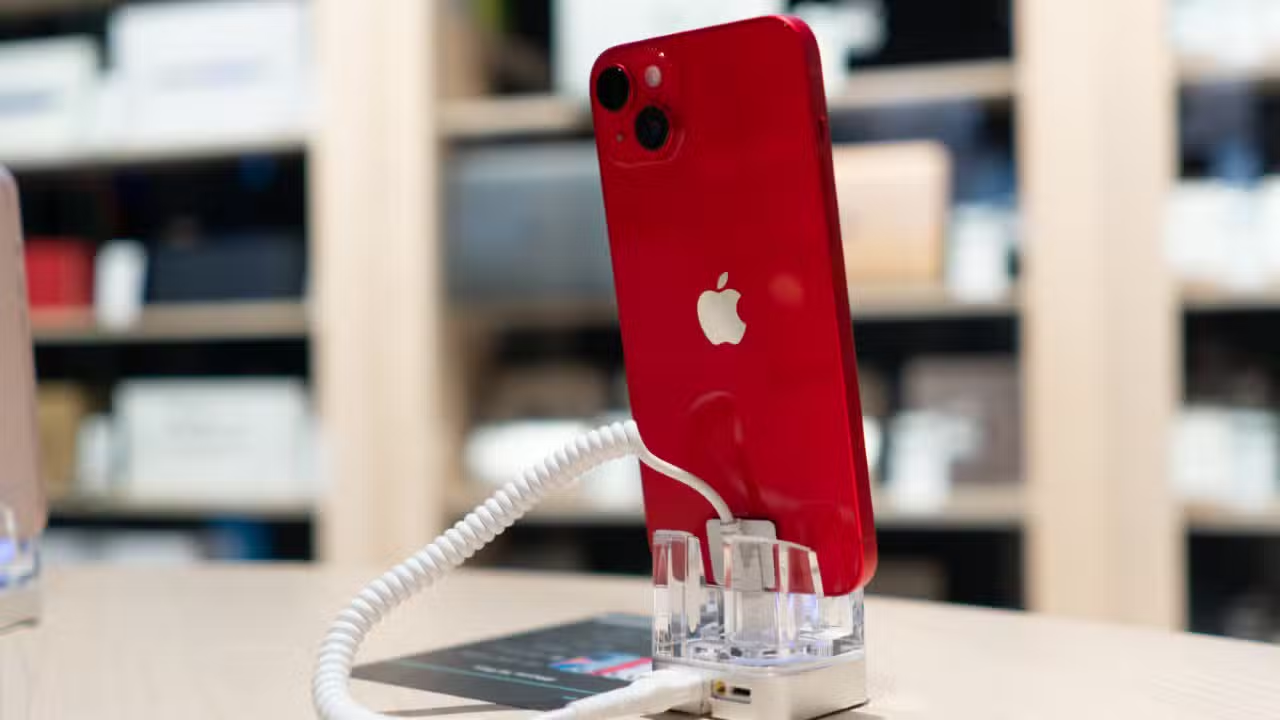
Manufacturer Apple faces engineering barriers in developing the next generation of its premium smartphones. The long-awaited iPhone 18 Pro is not expected to feature the completely clean screen initially designed by the company’s engineers. The technology necessary to hide the Face ID sensors under the OLED display comes up against glass transparency limitations. As a result, the design known as Ilha Dinâmica will remain the center of visual interactions at the top of the device.
The decision to maintain the notch reflects the brand’s priority in ensuring users’ absolute biometric security. Concorrentes already tests cameras under the screen, but the photographic results and unlocking speed do not reach the standards required by the company. The focus of the new device will be on internal processing improvements and energy efficiency. The market was waiting for an aesthetic revolution, but the transition to the continuous panel will require more research time in the laboratory.
Barreiras physics in the integration of sensors in the OLED panel
The implementation of an invisible facial recognition system requires that the screen allows infrared light to pass through without distortions. The current materials used to manufacture displays block a significant portion of this light spectrum. Isso compromises the accuracy of the Face ID, a feature that has defined device security since the launch of the iPhone X. The molecular structure of the screens needs to undergo a complete redesign to create high-transparency zones.
Outro critical factor involves the durability of the component over years of intense use. The area positioned exactly over the sensors may suffer uneven wear compared to the rest of the light panel. Essa difference would create visible blemishes on the interface, damaging the visual experience and the added value of the product in the luxury market. Apple conducts rigorous stress testing to prevent any chronic failure on its main line.
Engineers address specific challenges in hardware architecture:
- Manutenção of the physical structure of biometric dot projectors.
- Preservação of uniform pixel density across the entire display.
- Garantia of absolute sharpness for front camera captures.
- Adaptação from the supply chain to the new internal components.
The partnership with suppliers such as Samsung and LG remains active in the search for viable solutions. The sector’s expectations indicate that the technology will only reach the necessary maturity at the end of this decade. Até there, reducing the physical size of Ilha Dinâmica appears as the most likely alternative to enlarge the useful viewing area.
System Falhas Affects Windows 11 Users
In the enterprise software segment, Microsoft deals with severe instabilities caused by the latest Windows 11 update. Global Usuários reports constant crashes and abrupt closures of the Microsoft Outlook application during working hours. The error arises from a conflict in the operating system libraries that prevents the graphical interface from loading. The flaw interrupts email synchronization and directly affects productivity in work environments.
The technology company confirmed the existence of the problem and began developing an emergency fix package. Administradores on corporate networks are instructed to revert machines to the previous version of the system until the official repair is released. Using the web version of the email service works as a palliative measure to keep the communication flow active.
Crashes occur in specific situations of daily use:



- Abertura of compressed files or large attachments.
- Fast Transição between multiple accounts configured in the same profile.
- Indexação of new messages via the internal search engine.
- Atualização of data in calendars shared by teams.
The fragmentation of the computer ecosystem makes it difficult to create seamless universal updates. The diversity of parts and manufacturers requires exhaustive testing that does not always cover all possible variables. Clearing the program cache and reconfiguring profiles helps mitigate damage on specific machines.
Japanese Operadora identifies malicious application in Android
Information security is also being shaken in the mobile devices scenario with the discovery of a new financial virus. Telecommunications company NTT Docomo has issued a general warning about the spread of malicious software called d-upgrade. The attack begins with sending fake text messages that demand a supposedly critical operating system update. The user clicks on the fraudulent link and installs the rogue program directly on their Android smartphone.
The malicious code operates covertly and requests deep administrative permissions on the infected device. From that moment on, the virus monitors everything typed and intercepts two-factor authentication codes sent via SMS. Essa tactic allows criminals to invade bank accounts and empty balances before the victim notices the movement. NTT Docomo reinforces that legitimate updates occur exclusively through Google Play Store.
Especialistas in cybersecurity recommend strict digital protection protocols:
- Immediate Bloqueio from unknown senders in messaging apps.
- Restrição total for installing programs outside of official stores.
- Adoção of encrypted password managers for financial accounts.
- Utilização of physical security keys for authentication in critical services.
Avanços processing dictates the pace of the market
The year 2026 consolidates the industry’s transition to extremely miniaturized hardware architectures. The iPhone 18 Pro will feature processors manufactured using the 2 nanometer process, delivering computing power comparable to that of desktop computers. Essa lithography evolution dramatically reduces battery power consumption, even when performing complex artificial intelligence tasks. Enhanced thermal control prevents the chassis from overheating during high-resolution video recording.
The lack of a visual revolution on the front of the device transfers the pressure for innovation to the software resources. Computational photography and integration with augmented reality platforms require dedicated chips capable of processing billions of operations per second. The internal refinement compensates for maintaining the classic design and guarantees the fluidity necessary for the new demands of the technology market.
The development of mobile components reaches a physical plateau where every square millimeter of silicon costs years of research. Manufacturers focus efforts on the stability of operating systems to ensure that the hardware delivers its maximum potential. The perfect integration between physical parts and lines of code defines the survival of brands in the premium electronics segment.
Veja Tambem em Latest News (EN)

Radio signals from comet 3I/ATLAS mobilize NASA and global observatories in unprecedented research

Sakanaction’s Ichiro Yamaguchi warns against illegally streaming his radio show live on YouTube

River Plate beats Blooming in a duel in the Copa Sudamericana

Hoverlab owner is arrested for false information about Kim Soo Hyun; Gold Medalist welcomes AI manipulation investigation

Fausto Vera extends the score to 2-0 for River Plate in the Sudamericana against Blooming

Court validates US$7.85 million settlement against Sony for monopoly on PlayStation Store

Microsoft system applies discount of up to 50% on Xbox Series X for engaged players

Microsoft digital system reduces Xbox Series X price by up to 50% for selected profiles

Microsoft algorithm reduces Xbox Series X value by up to 50% on old consoles panel

Avi Loeb discusses Project Galileo, UFOs, extraterrestrial intelligence, the transformation of humanity and the impacts of technological advances and cosmic discoveries

Salas opens the scoring for River Plate against Blooming in a duel for the South American