
BYD King hybrid sedan receives factory discount of R$25,000 and registers a lower value than the Volkswagen Virtus

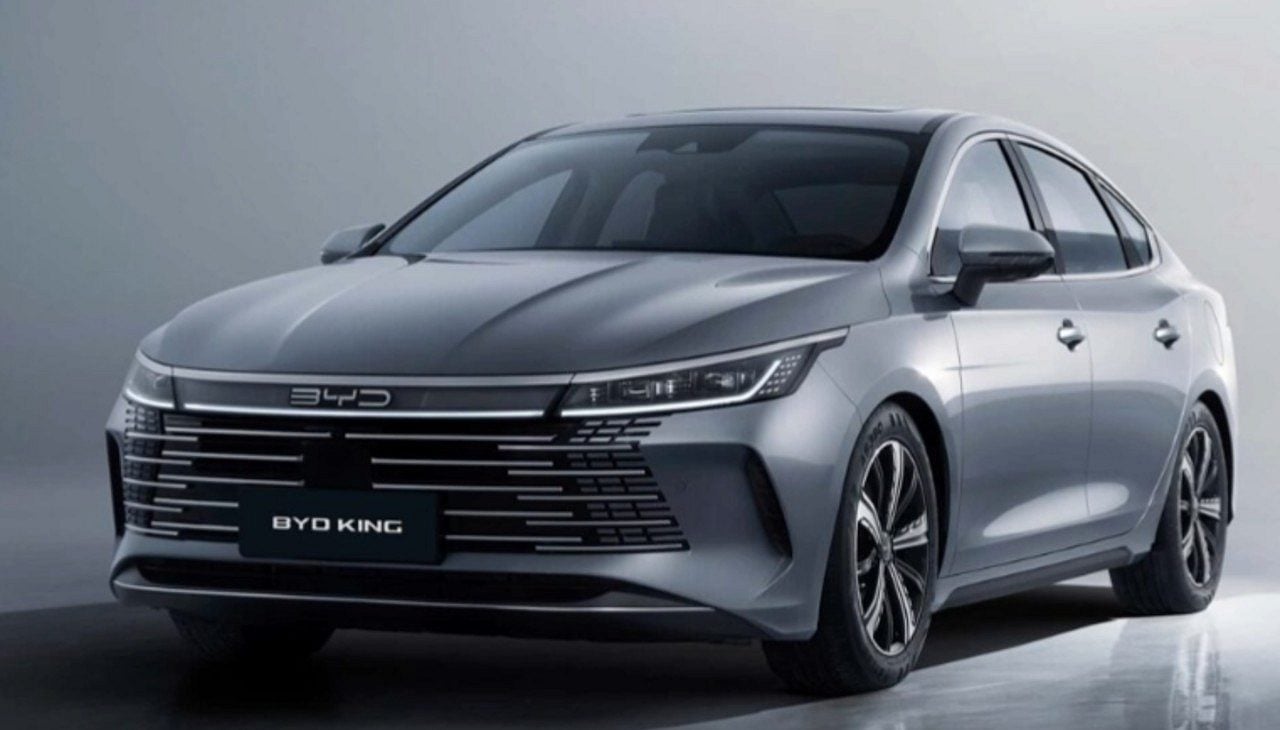
The automaker BYD announced a temporary reduction of R$25,000 in the price of the BYD King hybrid sedan, specifically in the entry-level GL version. The commercial measure changes the vehicle’s positioning in the national market and establishes a new level of competitiveness in the segment. With the application of the factory bonus, the car now costs R$147,990 at Brazilian dealerships. The offer remains valid until the end of May 2026 or while the manufacturer’s stocks last.
The financial repositioning puts the Chinese model at a direct advantage against traditional combustion-powered vehicles. The updated value is lower than that charged by Volkswagen Virtus Comfortline, sold for approximately R$164 thousand. The aggressive pricing reflects the Asian company’s objective of expanding participation in automotive retail and accelerating the adoption of electrified technologies by local consumers. Industry Especialistas see the move as a response to demands for greater energy efficiency.
Estratégia commercial positions model below direct competitors
The difference in values becomes even more prominent when the BYD King is compared to the Toyota Corolla, the historical leader in the category. The Japanese brand’s sedan, in the GLi version, has a starting price of R$191,890 in the Brazilian market. The current scenario creates a financial advantage of R$43,900 in favor of the Chinese plug-in hybrid vehicle. Essa expressive margin attracts buyers looking to transition to electrified models without compromising the family budget with high acquisition costs.
The results of this approach already appear in the country’s official registration reports. Durante In April, the BYD King surpassed the Toyota Corolla in retail sales volume for the first time since launch. Data consolidated by Fenabrave shows that the hybrid sedan registered 1,365 units sold in the period. The Japanese competitor recorded 1,327 registrations in the same form of direct sales to the end consumer.
The reversal in leadership positions signals a structural change in public behavior. Consumers show greater willingness to try new brands when the cost-benefit ratio is favorable. Breaking the hegemony of consolidated models requires rapid adaptation from traditional automakers, who now face competition based on technological innovation combined with aggressive prices.
Especificações technical and mechanical assembly capacity
The operation of the BYD King is based on the plug-in hybrid system, known by the acronym PHEV in the automotive industry. The vehicle combines a 1.5 internal combustion engine with a high-efficiency electric drive. The integration of the two systems delivers a combined power of 209 horsepower to the driver. The mechanical set provides agile acceleration and safe restarts on highways, features valued by those who use the car on long journeys.
Energy management represents one of the main attractions of the engineering project developed by the manufacturer. The technology package includes components designed to maximize autonomy and reduce dependence on fossil fuels in daily use. Technical details of the propulsion system include:
- Bateria with 18.3 kWh of energy storage capacity.
- 32-kilometer Autonomia operating in 100% electric mode.
- Alcance total estimated at 1,200 kilometers per cycle with a full tank and battery.
The ability to travel dozens of kilometers without using the gasoline engine perfectly meets the urban travel profile of most drivers. The owner can make the daily journey between home and work using only the electrical charge, recharging the vehicle at night. On long trips, the combustion engine comes into action automatically, eliminating the anxiety of finding charging stations along the way.
Dinâmica of the sedan market and energy transition in Brasil
The midsize sedan segment is undergoing a profound transformation driven by the arrival of new propulsion technologies. Historicamente dominated by gasoline or flex fuel vehicles, the category now makes room for hybrid solutions that promise lower environmental impact. The monthly growth in BYD King registrations proves the acceptance of the plug-in format. Drivers find technology a safe bridge between the traditional model and the all-electric future.
Fuel economy is the strongest selling point at the brand’s dealerships. The constant increase in the prices of petroleum products at gas stations leads consumers to calculate the cost per kilometer driven before closing a deal. Veículos hybrids offer a drastic reduction in monthly mobility expenses. The lower emission of polluting gases also attracts a buyer profile focused on sustainability.
The charging infrastructure in the national territory still presents logistical challenges in several regions. The plug-in hybrid format gets around this structural limitation by ensuring that the car continues to operate even with a discharged battery. Essa versatility explains the commercial success of the configuration in countries of continental dimensions. The automaker exploits this characteristic in its advertising campaigns to convey security to new electrification fans.
Regras of the promotional campaign and availability at dealerships
The discount policy established by the manufacturer has strict guidelines for application in the retail network. The R$25,000 bonus applies exclusively to the GL version, configured as the entry option in the sedan catalog. Outras model variants maintain the original price list without changes for the period. The promotional action is valid until May 31, 2026, establishing a defined deadline for those interested in the acquisition.
The factory bonus format differs substantially from conventional negotiations carried out on the sales floor. The automaker assumes the cost of the reduction, preserving the minimum profit margin of partner dealerships. Essa corporate strategy guarantees uniform prices throughout the national territory, avoiding discrepancies in prices between stores in different states. The customer finds the same commercial conditions regardless of the region where they reside.
The availability of the reduced-value vehicle directly depends on the volume of stock present at each point of sale. The company warns that the promotion may be terminated early in specific markets if the units allocated to the campaign are sold out. Consumers are advised to contact their local dealership to confirm the existence of the product before beginning the purchase process. Logistics management monitors the flow of deliveries to meet the demand generated by the temporary discount.





