
BYD’s new Dolphin G DM-i hybrid hatch reaches a thousand kilometers of range and arrives in Brazil in 2027

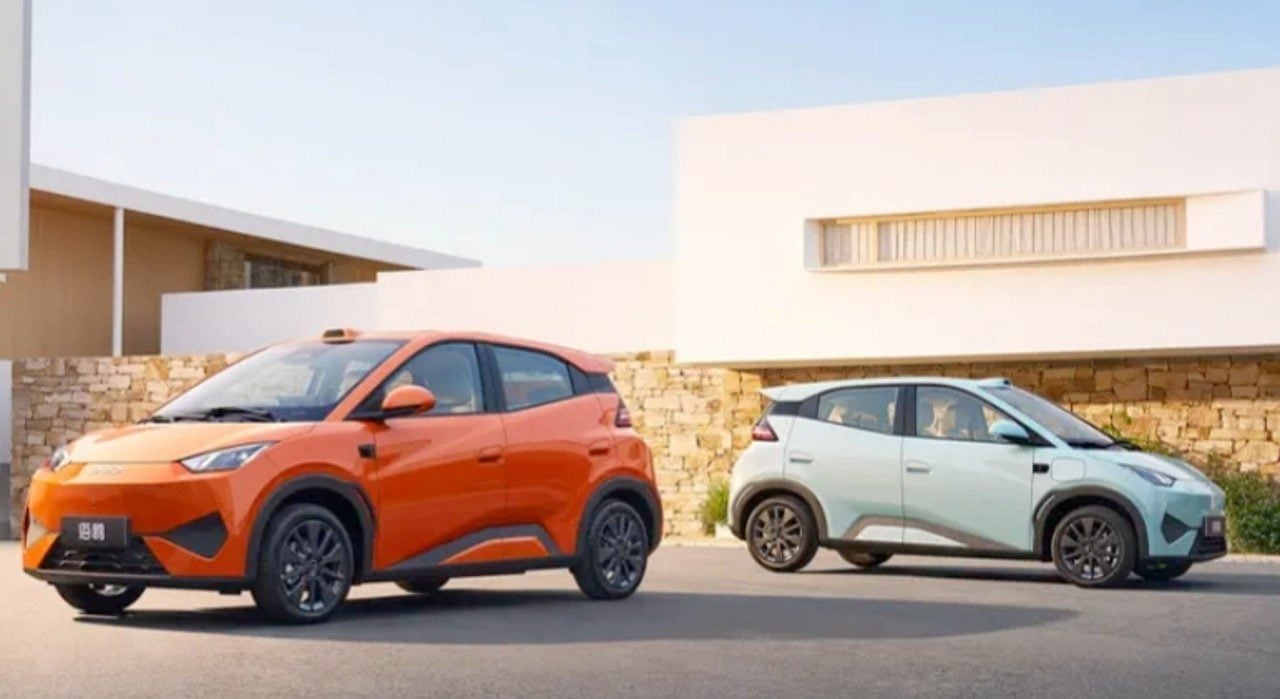
Chinese automaker BYD officially unveiled the new Dolphin G DM-i during an event held in Lisboa City, at Portugal, this Tuesday. The vehicle represents the manufacturer’s latest investment in the compact hatchback segment with plug-in hybrid powertrains. The presentation marks the beginning of the model’s expansion strategy to international markets outside the Asian continent. The car combines a traditional combustion engine with an advanced electrical system to maximize energy efficiency.
The main technical characteristic announced by the company is the total autonomy estimated at 1,000 kilometers with a single fill-up and full battery charge. Esse number establishes a new competitive level for the entry-level urban compact vehicle category. The European launch is scheduled for the first half of June. Consumidores of Brasil will have access to the car in the first half of 2027, following the brand’s global schedule.
Official Apresentação of the compact hatch at Europa
The choice of Lisboa for the first public display of the Dolphin G DM-i reinforces the brand’s focus on consolidating its operations within Europa. BYD’s Executivos detailed the project’s outline during the unveiling ceremony. The car’s design presents profound structural changes when compared to the 100% electric version of the Dolphin, which already has a strong commercial presence in several countries. The nomenclature with the letter G indicates this new generation of platform developed specifically to house the mixed mechanical assembly.
Dados specific technical details on the engine remain under embargo until the definitive commercial launch scheduled for June. The manufacturer plans to release the exact figures for combined power, maximum torque and battery storage capacity only at the time of the official opening of sales in the European market. The exact dimensions of the body, the total weight of the vehicle and the volume of the trunk also make up the information package reserved for the next stage of the company’s communication calendar.
The automotive market awaits official fuel consumption rates approved by strict European regulatory bodies. The sector’s expectations revolve around the thermal efficiency of the combustion engine, which was specifically developed to operate in conjunction with the high-capacity electric generator. The automaker’s Engenheiros focused on reducing aerodynamic drag and optimizing structural weight to achieve the extended range promised in the presentation.
Tecnologia plug-in hybrid and energy efficiency
The DM-i system developed by BYD prioritizes electric traction in most everyday use situations in cities. The gasoline engine primarily acts as a power generator to power the high-voltage battery in real time. The direct mechanical traction on the wheels promoted by the combustion engine only occurs at high cruising speeds on highways or in moments of maximum power demand. Essa architecture differs substantially from older conventional hybrid systems found on the market.
Veículos equipped with plug-in technology allows battery charging directly from grounded residential sockets or at public fast charging stations. The driver can carry out short daily journeys using exclusively the electrical energy accumulated in the component. The combustion engine remains completely inactive during low-speed urban traffic and when maneuvering. The absence of polluting gas emissions in these specific scenarios directly contributes to improving air quality in large urban centers.
Marking 1,000 kilometers of range resolves the range anxiety often reported by drivers interested in the energy transition but still hesitant to purchase a purely electric model. Long Viagens occur without the need for frequent and time-consuming stops for recharging, using the already established network of traditional gas stations. Intelligent electronic vehicle management automatically calculates the best usage ratio between the two engines to ensure the lowest possible consumption.
Cronograma of global expansion and arrival on the national market
Distribution of the new hatchback will follow a staggered regional plan to ensure adequate supply to dealerships in each country. The production capacity of the factories installed at China initially meets domestic demand before beginning the mass export phase. The official calendar establishes the following strategic milestones for the introduction of the vehicle:
- Início of sales in the European market in the first half of June 2026.
- Expansão gradually moves to other territories in the northern hemisphere throughout the second half of the year.
- Desembarque of the first units in Brasil scheduled for the first half of 2027.
- Commercial Posicionamento defined as entry model in the brand’s plug-in hybrid line.
- Competição directly in the compact vehicle segment with a focus on high fuel economy.
Confirmation of the model’s availability for the Brazilian market occurred at the beginning of this year, with detailed information collected by Autoesporte. The time interval between the European launch and arrival at Brasil allows the technical adaptation of the mechanical assembly to local requirements and legislation. The brand’s Engenheiros will need to calibrate the combustion engine to accept the mixture of gasoline and ethanol present at gas station pumps across the country, ensuring the perfect functioning of the DM-i system.
Estratégia commercial of the Chinese automaker in the segment
The introduction of the Dolphin G DM-i diversifies BYD’s portfolio into a lower price range than midsize SUVs and luxury sedans. The company already operates strongly in the hybrid vehicle segment in the Brasil with larger, value-added models, such as the utility vehicles in the Song line. The offer of a compact hatchback attracts a younger consumer profile focused on daily urban mobility. Veículos and Yuan Plus complement the brand’s showcase in the all-electric SUV category, covering different market niches.
The gradual transition of the global vehicle fleet requires viable intermediate options for customers who do not have charging infrastructure in their homes or condominiums. The plug-in hybrid car functions as an essential technological bridge in this process of changing consumer behavior. The Chinese manufacturer uses this transition strategy to aggressively gain market share in regions with charging station networks still in the early stages of development and expansion.
The traditional Dolphin powered exclusively by batteries has already registered high volumes of registrations in the Brazilian market since its launch. The hybrid version does not replace the electric model in stores, but creates a parallel and complementary alternative in the catalog of authorized dealers. The coexistence of two different technologies under the same commercial name strengthens the recognition of the product family among buyers and facilitates the automaker’s marketing campaigns.
Impacto in the electrified compact vehicle sector
The compact car segment is undergoing an accelerated transformation with the introduction of new, more efficient energy sources. Montadoras traditional European and American batteries face the constant challenge of reducing battery production costs to keep final prices accessible to the general public. The massive manufacturing scale achieved by the Asian automotive industry changes the dynamics of global competition irreversibly. The launch of a vehicle with the technical specifications of the Dolphin G DM-i puts pressure on competing brands to accelerate their own fleet hybridization projects.
Public charging infrastructure remains the main logistical bottleneck for the mass adoption of purely electric mobility in continental-sized countries. Sistemas highly efficient hybrids offer a practical and immediate solution as governments and the private sector invest billions in expanding the network of fast chargers on highways. The combination of a conventional fuel tank with a medium capacity battery delivers total travel flexibility to the end user, eliminating route restrictions.





