
China launches Shenzhou 23 with astronauts to Tiangong station in May

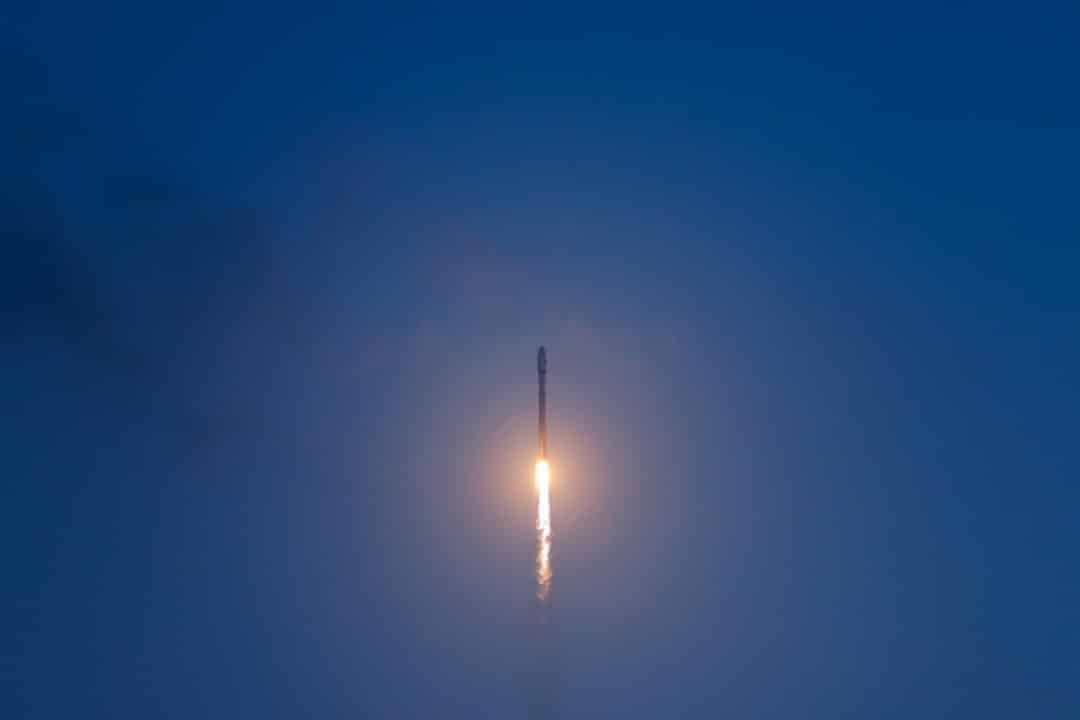
This Tuesday, May 24, China will launch the Shenzhou 23 mission towards the Tiangong space station. The 62-meter-long Longa Marcha 2F rocket will lift off at 11:08 a.m. EDT from Centro from Lançamento from Satélites from Jiuquan, into Deserto from Gobi. The mission marks a significant advance in the Chinese space program, establishing the country as a powerhouse in manned flights.
The crew of 3 astronauts will remain on the station for 6 months. Contudo, one of the members will be kept in orbit for 12 consecutive months. Este will be the first annual manned flight carried out by China, representing an unprecedented feat for the Asian nation.
Preparação and mission technical conditions
The rocket was transported 1.5 kilometers to the launch pad using specialized ground handling operations. Pre-launch tests confirm full functioning of all systems.
Trials included:
- Verificação rocket integral Longa Marcha 2F
- Avaliação from launch base facilities
- Testes compatibility with Shenzhou 23 capsule
- Security Protocols Validação
Todos components performed within the parameters established by Chinese space program engineers. The technical team released the operation to continue without restrictions.
Contexto of delay and reinforcement of orbital presence
Shenzhou 23 takes off one month behind the initial schedule. The postponement involved the crew currently occupying Tiangong, whose mission has been extended. Esta situation reinforces the Chinese strategy of maintaining a continuous presence on the space station.
China consolidates its position as third power in manned flight capacity. The program demonstrates a progressive increase in the orbital stay time of its astronauts. The goal of keeping a human being in space for 12 months represents a significant technological and operational leap for the country.
Estação Tiangong and the future of Chinese operations
The Tiangong space station serves as an independent orbital base for the Chinese space program. The core module was established in orbit after a series of successful launches. Tiangong supports continuous research operations, scientific experiments and equipment testing for future long-duration missions.
The Shenzhou 23 mission reinforces the crew rotation schedule. An astronaut’s extended stay allows data collection on human adaptation in microgravity. The results will guide future projects in the Chinese space program, including possible long-duration flights for specialized personnel.
China consolidates investments in space infrastructure. Jiuquan, located in the Mongólia Interior region, remains the main launch center for manned missions. The Centro of Lançamento supports 3 launch pads. The complex was modernized between 2023 and 2025 to support increased frequency of operations.





