Clash between iPhone 18 Pro Max and Google Pixel 11 Pro XL highlights 2nm chips and cameras
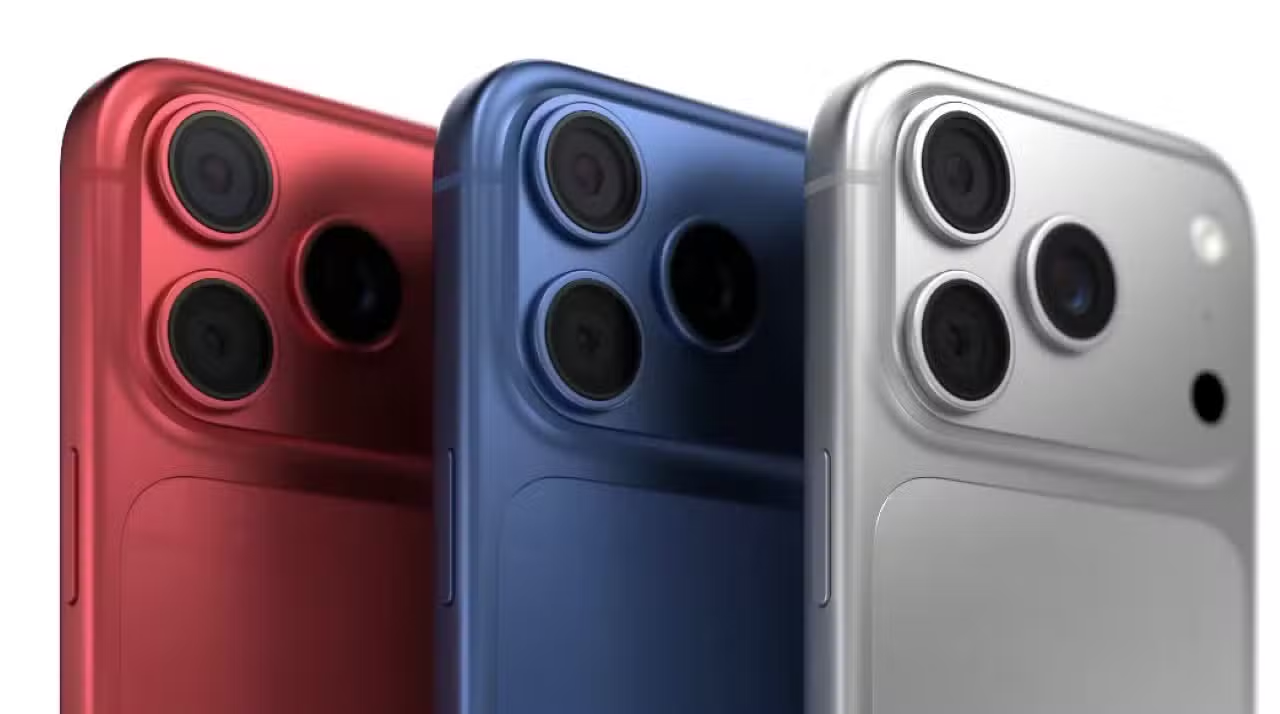
The global mobile device market sets the stage for a significant technological transition with the next launches from two of the largest manufacturers in the sector. The Google Pixel 11 Pro XL and iPhone 18 Pro Max hit shelves with hardware upgrades focused on processing efficiency and advanced image capture. Ambos devices incorporate components manufactured under the new 2 nm architecture. Essa reduction in lithography allows for a considerably higher density of transistors in the same physical space. The direct result of this structural change involves a reduction in energy consumption and an increase in the speed of executing complex tasks. Consumers who plan to purchase premium category equipment in the coming months will find options with different engineering philosophies.
Até At the current time, technical specifications place the Apple device in a prominent position in preliminary raw performance evaluations. The expected improvements in the central processor, camera array and battery life give the iPhone 18 Pro Max a technical advantage in laboratory tests. Google, on the other hand, focuses development efforts on deep integration between hardware and machine learning algorithms. The dispute between the two models establishes the second half of the year as a decisive period for renewing portfolios in the mobile telephony segment.
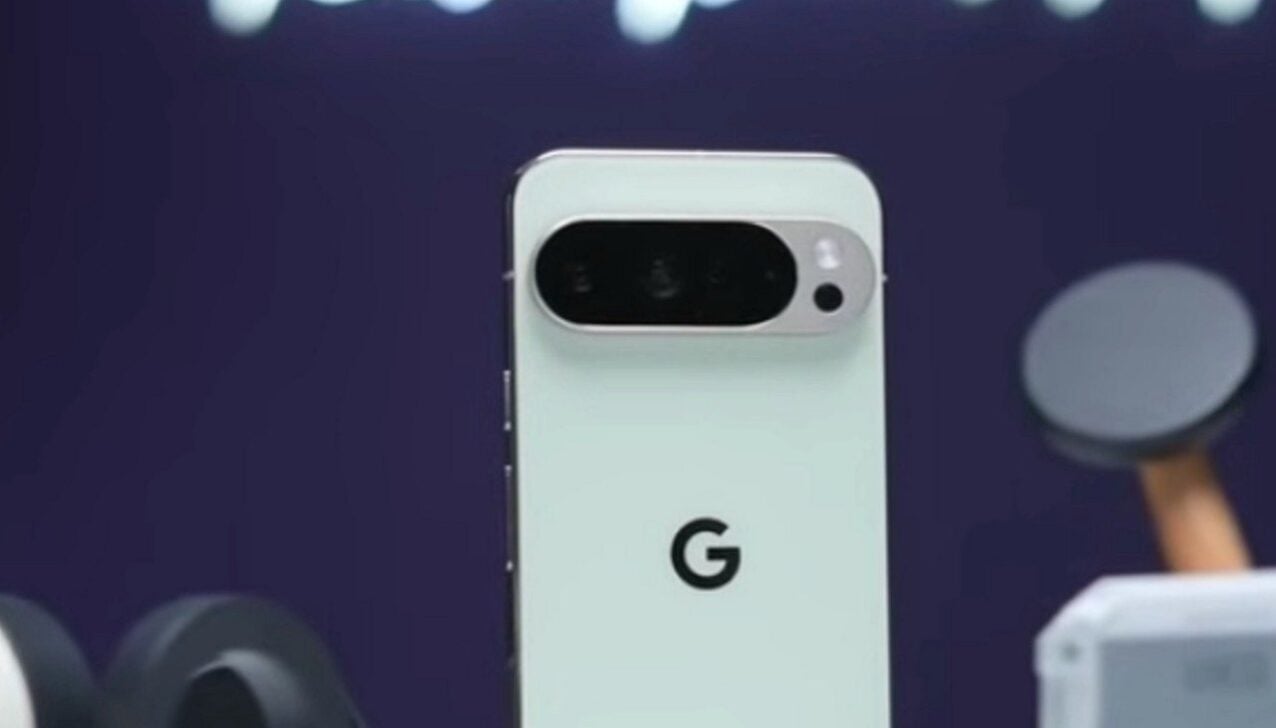
Arquitetura Processing Moves to 2nm Lithography
The two devices feature cutting-edge processing technology, marking a qualitative leap in the computing capacity of portable devices. The iPhone 18 Pro Max will feature a new proprietary 2nm chip, designed exclusively by the Apple engineering team. Este processor delivers higher performance than the current generation, optimizing resource allocation during intensive use. The manufacturer focuses on maximizing the raw power of the component to support demanding applications and games with advanced graphics. The closed architecture of the iOS operating system facilitates this continuous optimization.
The Google Pixel 11 Pro XL, on the other hand, will reach the market equipped with the Tensor G6 processor, also manufactured using the 2 nm process. The component customized by Google integrates specific acceleration modules for artificial intelligence and image processing tasks. Computing power directed towards neural networks puts Pixel in a favorable position in running complex virtual assistants and computational photography. The chip manages machine learning operations directly on the device, without the constant need for cloud processing.
The architectural differences between the two processors reflect each company’s business strategies. Apple prioritizes pure execution speed and ecosystem fluidity, ensuring that the hardware responds instantly to user commands. Google emphasizes built-in artificial intelligence capabilities, utilizing hardware as a tool to power predictive algorithms and automated functions. Ambas approaches seek to deliver a seamless user experience, but start from fundamentally different design principles.
Manutenção of external design and new visual identities
Apple chose not to implement significant changes to the industrial design of the iPhone 18 Pro Max. The device will follow the same reinforced aluminum structure presented in the iPhone 17 Pro Max, preserving the straight lines and slightly rounded corners. The large camera module on the back remains the main visual signature of the equipment. The manufacturer assesses that the current format meets the necessary ergonomic and thermal requirements, eliminating the need for profound structural modifications in this generation. Design continuity also facilitates the transition of accessories and components between production lines.
The Pixel 11 Pro XL will also maintain the aluminum construction of its predecessor, ensuring the structural rigidity of the chassis. The device’s main aesthetic innovation will be the inclusion of an illuminated neon LED bar, positioned around the rear camera array. Esta light strip differentiates the new Pixel from its direct competitors visually and adds a layer of functionality to the hardware. The component provides immediate visual feedback for system notifications, incoming calls and battery status.
The implementation of the luminous element generates varied reactions among industrial design experts. A portion of analysts consider the addition attractive and useful for users who keep the device with the screen facing down. Outro group sees the LED bar as a questionable aesthetic choice, which could compromise the sobriety of the device aimed at the corporate market. Independentemente of visual reception, the modification requires adaptations in power management to avoid excessive battery consumption by backlighting.



Image Capture Sistemas Receives Hardware Updates
The iPhone 18 Pro Max will receive a substantially improved photography suite compared to previous models. The technical data points to the inclusion of a larger main sensor, capable of capturing more light in dark environments. The optical system will feature superior quality lenses, reducing distortions at the edges of images and improving autofocus. The Apple continues the tradition of refining the image processing algorithm, ensuring that photo and video capture maintains the brand’s signature color consistency and high dynamic range.
The Pixel 11 Pro XL, already recognized for excellence in mobile photography, introduces a new generation of incremental improvements focused on software processing and raw shooting. The Google utilizes the power of the Tensor G6 chip to apply real-time corrections before the user even presses the shutter button. Camera system updates include specific advancements for different everyday and professional usage scenarios:
- Novos sensors with improved capture capacity in low light conditions.
- Advanced Processamento for natural, accurate color reproduction.
- Revamped night Modo with greater detail definition and lower digital noise.
- Artificial Inteligência dedicated to automatic scene detection and parameter adjustment.
- Digital Zoom optimized with algorithms that reduce quality loss during approximation.
Google’s device historically outperforms rivals in photographic consistency under challenging lighting conditions. The combination of updated sensors with the Tensor G6’s artificial intelligence allows the device to identify complex light sources and adjust exposure independently for each area of the image. Computational processing compensates for the physical limitations of compact lenses present in smartphones.
Autonomia battery and energy efficiency of new components
Power management represents one of the main development focuses for the new generation of premium smartphones. The iPhone 18 Pro Max promises a noticeable increase in battery life during everyday use. The combination of the new, highly efficient 2nm chip with a possible increase in the physical capacity of the power cell results in longer periods of continuous use. The Apple seeks to compete directly with the days of autonomy offered by devices in the Pixel line, optimizing screen consumption and background processes of the operating system.
The Pixel 11 Pro XL will continue to offer a large capacity battery, maintaining the tradition established by the Pro line of the Google. The 2 nm architecture of the Tensor G6 processor ensures higher energy efficiency than the previous generation. Essa feature extends operating time between recharges without compromising performance while running heavy applications. The thermal management system also acts to dissipate heat generated by components, preserving long-term battery life.
Posicionamento market and targeting the end consumer
The two models bring different innovations that reflect the commercial strategies of their respective manufacturers. The iPhone 18 Pro Max delivers high raw performance, an improved camera array and a larger capacity battery, all packaged in an evolutionary and familiar design. The device attracts users who value the fluid integration with the Apple product ecosystem and the stability of the iOS operating system. The predictability of updates and prolonged support continue to be decisive factors for the brand’s loyal audience.
The Google Pixel 11 Pro XL relies on the 2 nm Tensor G6 processor, the new visual identity with neon LED and the absolute focus on integrated artificial intelligence. The device caters to consumers who prioritize consistent computational photography and automated software tools. The decision between the two devices depends on each individual’s usage priorities. Ambos handsets represent the top of mobile technology available in today’s market, with incremental differences that demonstrate the maturity of the cell phone segment.
Veja Tambem em Latest News (EN)

Radio signals from comet 3I/ATLAS mobilize NASA and global observatories in unprecedented research

Sakanaction’s Ichiro Yamaguchi warns against illegally streaming his radio show live on YouTube

River Plate beats Blooming in a duel in the Copa Sudamericana

Hoverlab owner is arrested for false information about Kim Soo Hyun; Gold Medalist welcomes AI manipulation investigation

Fausto Vera extends the score to 2-0 for River Plate in the Sudamericana against Blooming

Court validates US$7.85 million settlement against Sony for monopoly on PlayStation Store

Microsoft system applies discount of up to 50% on Xbox Series X for engaged players

Microsoft digital system reduces Xbox Series X price by up to 50% for selected profiles

Microsoft algorithm reduces Xbox Series X value by up to 50% on old consoles panel

Avi Loeb discusses Project Galileo, UFOs, extraterrestrial intelligence, the transformation of humanity and the impacts of technological advances and cosmic discoveries

Salas opens the scoring for River Plate against Blooming in a duel for the South American