
Electric Leapmotor T03 reaches third place in sales in Italy and consolidates sustainable market

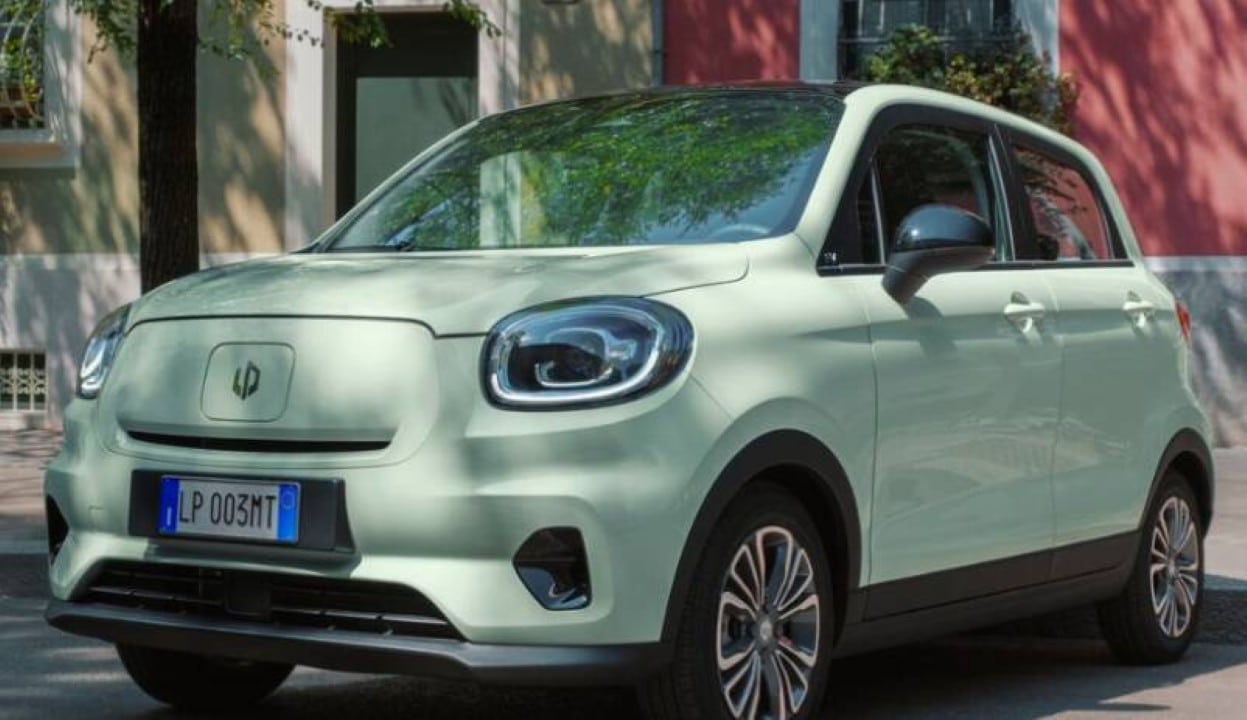
The Itália automotive market ended the month of March 2026 with a significant and unexpected change at the top of the registration ranking. The all-electric compact model Leapmotor T03 recorded more than 5,500 units sold in the thirty-day period. The significant volume placed the vehicle of Chinese origin in third overall sales position in the European country. The rapid rise occurs in a scenario of gradual transition of the local fleet to mobility options without polluting emissions, challenging the hegemony of traditional brands.
The immediate acceptance by the Italian consumer reflects a growing search for cars suitable for urban traffic that have competitive acquisition costs. The commercial operation of the model has the direct and strategic support of Stellantis, responsible for the official distribution of the Asian brand on the continent. The movement directly boosted the market share of vehicles powered exclusively by batteries. The zero-emission segment reached 8.6% of total share at the end of the first quarter of this year, consolidating an upward trend.
Stellantis Distribution Estratégia Accelerates Compact Deliveries
The milestone of five thousand deliveries in just one month demonstrates the local public’s ability to absorb new technologies when the product meets real needs. The Leapmotor T03 attracts drivers who need extreme agility on narrow roads and sufficient range to cover daily journeys. The aggressive entry price acted as the main trigger for the purchase decision. European Concorrentes still face operational difficulties in matching the amounts charged on their electrified access lines.
The significant sales volume directly depended on the logistics infrastructure already established in the region by partner companies. The alliance with Stellantis ensured that the extensive dealership network was prepared for the intense flow of orders and test drives. Immediate technical support and parts availability reduced consumers’ natural distrust of a newcomer manufacturer. Especialistas from the automotive sector monitors how this integration of Asian capital with European capillarity will dictate the pace of business throughout 2026.
Fatores driving the transition of the Italian automotive market
The historic barrier of 5% share of pure electric vehicles was easily overcome in the first months of the year, marking a new commercial phase. The democratization of access to clean technology gains strength with the arrival of options that are completely different from the traditional luxury segment. The diversification of the portfolio available in stores allows different income groups to find viable solutions for private transport.
- Crescimento continuous fast charging network in metropolitan centers and main highways.
- Manutenção from sales of hybrid models as an intermediate and safe transition step.
- Otimização of global supply chains to effectively reduce manufacturing costs.
- Aumento of the demand for smaller vehicles to facilitate parking in capital cities.
The breaking of the psychological price barrier represents a definitive milestone for the local industry and changes annual projections. The organic progression of sales follows the accelerated installation of new charging points on the country’s main travel routes. Public interest remains fueled by the promise of new economic launches scheduled for the second half of the year. Current economic stability and the supply of credit facilitate the approval of financing for the renewal of the fleet in circulation.
Desafios logistics and infrastructure disparity in the provinces
The advancement of total electrification still faces deep geographical and structural obstacles within Italian territory. Grandes metropolises like Milão and Roma concentrate the overwhelming majority of investments in dense public and private charging networks. The scenario in rural areas and smaller cities in the interior presents a completely different and more conservative reality. Reliance on thermal or hybrid engines remains strong in these regions due to chronic shortages of high-power electrical supply points.
The volatility of government incentives for exchanging vehicles creates an environment of uncertainty among potential buyers outside large centers. The price of residential and commercial electricity also acts as a major factor in the average consumer’s final purchasing decision. The automotive sector awaits clear government definitions on the maintenance of subsidies in the long term to sustain growth. Local manufacturers try to balance protecting domestic manufacturing with the stringent environmental requirements imposed by União Europeia.
Efeito multiplier in retail and adaptation of mechanical services
The injection of thousands of new electric vehicles onto the streets moves an extensive and complex chain of added services. The closing of specific insurance contracts for battery-powered models saw an immediate increase in the country’s brokers. Empresas specialized in installing residential chargers report a significant increase in demand for inspections and technical quotes. Dealership salespeople go through intensive training cycles to guide new owners on autonomy management and ideal recharging routines.
The unprecedented flow of customers requires an immediate physical and technical restructuring of independent mechanical workshops spread across cities. Establishments need to adapt their facilities with specific equipment for the safe handling of high voltage systems. Qualifying labor for accurate diagnosis of complex electronic components has become an absolute priority in the repair sector. Spare parts distribution logistics and chemical component disposal protocols also undergo in-depth and mandatory reviews.
Pressão on traditional automakers and reconfiguring competition
The consolidated presence of a Chinese brand on the sales podium changes the historical balance of power on the European continent. Fabricantes German and French companies receive an undeniable warning signal about the urgency of accelerating their own low-cost electric car projects. The current commercial dispute focuses intensely on the energy efficiency of batteries and the quality of the software embedded in the panels. The fluidity of the digital experience offered to the driver has become a fundamental tiebreaker at dealerships.
Stellantis’s pragmatic strategy of incorporating Leapmotor’s distribution dilutes the group’s operational risks at a time of transition. The transcontinental alliance combines in-depth knowledge of European consumer behavior with the unparalleled production scale capacity of Asian factories. The movement guarantees the maintenance of the company’s sales volume even with products developed entirely by external partners. The Italian market consolidates a new standard of competition based on direct technological accessibility and logistical efficiency.





