
Former Ferrari president criticizes Ferrari’s first electric car and fears destroying a myth

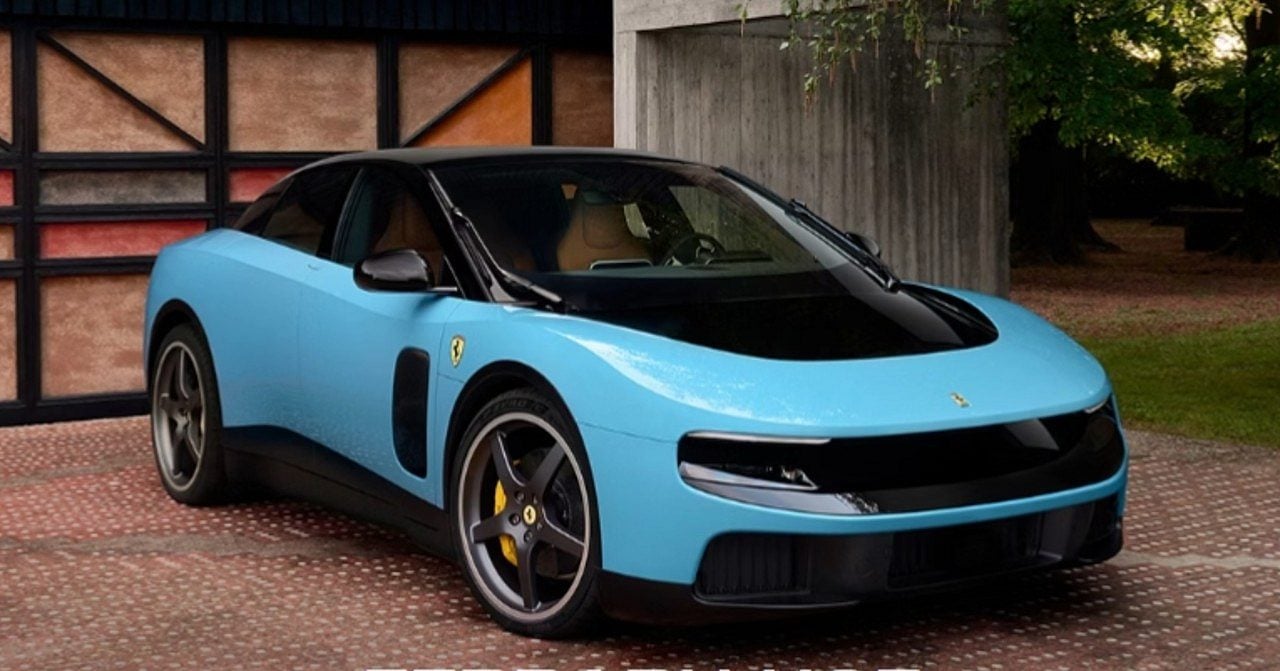
The former president of Ferrari between 1991 and 2014, Luca Cordero di Montezemolo, harshly criticized the Luce, the Italian automaker’s first 100% electric vehicle. At an event at Roma, he expressed concern about preserving the brand’s identity. “If I said what I think, it would harm Ferrari. Há would risk destroying a myth”, he declared upon arriving at the meeting.
Montezemolo highlighted that he hopes the manufacturer will at least remove the cavallino rampante — the iconic Ferrari logo from the new model. The criticism reflects concern among brand conservatives about the electrification of a historical icon linked to the roar of combustion engines.
Reações adverse to Luce design
The new vehicle generated intense reactions on social media and among automotive critics. Usuários compared the Luce to vacuum cleaners, dented cars, and even an improperly designed vehicle. One highlighted comment read: “Ferrari just killed their brand, just like Jaguar did. Isto is going straight to the scrap heap.”
The design, developed in collaboration with the LoveFrom agency founded by Sir Jony Ive, former head of design at Apple, divides opinions. Nas social networks, the dominant pattern was skepticism about the aesthetics and compatibility of the new format with the brand’s tradition.
Especificações techniques and performance
The Luce presents outstanding features in the luxury electric segment. The vehicle offers 1,000 horsepower, accelerates from 0 to 96 km/h in 2.5 seconds and has a range of more than 529 kilometers. Quatro electric motors one for each wheel ensure balanced force distribution.
Outro relevant aspect was Ferrari’s sound strategy. The automaker developed a system that amplifies real vibrations from electrical components, producing authentic mechanical sound instead of artificially simulating the roar of a combustion engine. The manufacturer described this as “one of the most complex and innovative challenges” in its history.
The Luce also sets a record for the Ferrari: it is the first model with five seats and four doors. Essa configuration broadens the potential audience, moving away from the brand’s classic 2-seat identity and minimalist design.
Contexto market and reduction targets
The launch takes place in a delicate scenario for the electric vehicle sector. Embora global sales have reached 20 million units last year, according to Agência Internacional from Energia, automakers face low demand and significant losses.
Ferrari itself adjusted expectations. The original target predicted that 40% of the line would be 100% electric by 2030. Após the announcement of the Luce, this projection dropped to 20%, signaling caution in the face of market challenges.
The financial consequences were immediate. Após the presentation of Luce, Ferrari shares fell more than 8% in Bolsa from Milão and more than 5% in Nova York, reflecting investor concerns about the strategic decision.
CEO’s Defesa and corporate vision
Benedetto Vigna, CEO of Ferrari, defended the project. Ele reported that the development of Luce took half a decade. “We are convinced that a company demonstrates its leadership when it has the courage to dare and face the challenge of new technologies. Ferrari Luce was born precisely from this challenge, offering our unprecedented vision of electrification”, he stated.
Vigna’s position seeks to reposition electrification as a strategic imperative. Para the executive leadership, the courage to innovate differentiates industrial leaders from reactionary followers. Essa narrative, however, encounters resistance both among brand purists and traditional consumers.
Panorama competitive and Chinese positioning
Questionado on the growing competition of the Chinese automotive industry, Montezemolo responded with irony. “This is certainly a car that at least the Chinese won’t be able to copy,” he said — a veiled criticism of the design considered unconventional.
The rise of Chinese electric car manufacturers has put pressure on historic automakers to accelerate technological transition. At the same time, the loss of visual identity during this transition represents a central dilemma: how to modernize without alienating the niche audience that built the brand’s reputation.



