Gakkou titles by Atta Kowai Hanashi and Tsukikomori debut on Nintendo Switch with new features
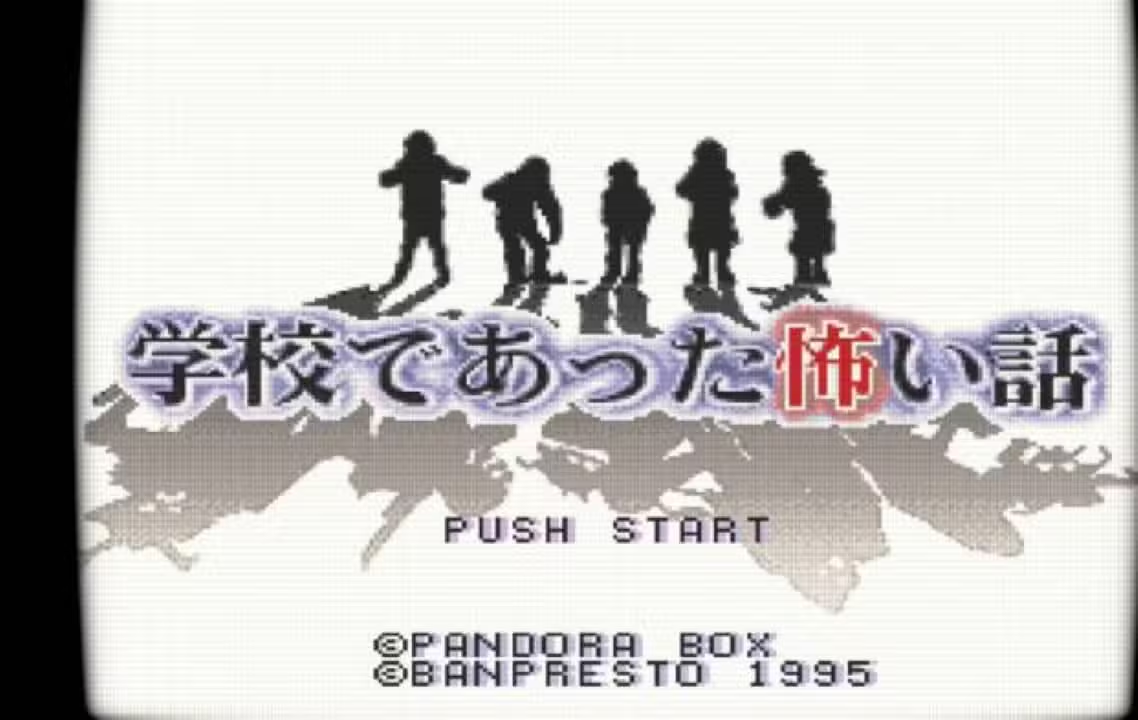
Dois graphic adventure games originating from Super Famicom in the 1990s will receive official ports for Nintendo Switch. The works Gakkou by Atta Kowai Hanashi and Tsukikomori arrive on the hybrid platform with technical updates, expanded localization and limited physical editions for the collectors market.
The initiative comes from developer Shannon, a company that succeeded the former Banpresto, under the direct supervision of the original director Takiya Iijima, of Pandora Box. The corporate project aims to modernize access to titles that marked the narrative horror genre in the Asian market during the era of 16-bit consoles.
Retorno from Japanese horror classics to the current market
The Super Famicom catalog houses several productions that remained restricted to Japanese territory during the original release period. The title Gakkou of Atta Kowai Hanashi, also known in the international market by the subtitle School Ghost Stories, established narrative foundations for the format of interactive urban tales. The game’s structure is based on precise dialogue choices that alter the flow of the story and determine the outcomes available to the player throughout the campaign.
In turn, Tsukikomori follows a similar software design line. The production focuses on building atmosphere and psychological tension through dense texts and digitalized static images. The conversion of these two products to the Nintendo Switch represents a historic rescue movement within the video game industry. Contemporary Jogadores gain the opportunity to access works that previously required original hardware and cartridges that were difficult to acquire on the gray market.
The preservation of electronic games has become a central topic in discussions about the future of digital entertainment. The rescue of classic intellectual properties demonstrates the commercial viability of adapting old software to modern operating systems. The practice reduces dependence on unofficial emulators and offers a legal and optimized route of consumption for retrogaming enthusiasts.
Implementação of Modern Features and Collector’s Editions
The transition from the original architecture to modern hardware requires adaptations to the interface and general usability of the system. The development team integrated quality of life tools to align the experience with current consumption patterns. The modifications preserve the visual aesthetics of the time, but change the way the user interacts with the menus and manages the progress of the narrative.
The updates confirmed by the developer for the new versions include the following technical and practical elements:
- Interface visually optimized for touchscreen navigation and analog buttons.
- Acelerador of text speed to speed up the reading of dialogues.
- Quick save Sistema with multiple memory slots available.
- Unlockable art gallery Modo with behind-the-scenes illustrations.
- Official Tradução for additional languages beyond the original Japanese text.
Além of the standard digital editions, the project includes the launch of physical packages aimed at the collector public. The limited editions will feature exclusive packaging, full-color printed manuals and codes to redeem the original soundtrack remastered in digital format. The distributor will release official prices and availability by region over the next few weeks.
Estratégia from developer Shannon in digital preservation
The recovery of the former Banpresto catalog is part of Shannon’s corporate planning focused on monetizing inactive intellectual properties. The porting process required the complete digitization of the original source code developed in the 1990s. Software engineers carried out specific compatibility tests for the ARM architecture present in the Nintendo Switch, ensuring the fluid execution of games without performance drops.
Director Takiya Iijima acts as executive supervisor of the entire conversion, ensuring the fidelity of the material delivered to the public. The presence of a member of the original Pandora Box team prevents structural changes that distort the initial creative vision of the project. The technical work prioritizes graphic optimization without the application of automatic filters that harm the pixel art characteristic of the previous generation.



The continued involvement of original creators in remaster projects elevates the perceived value of the final product. Shannon uses this strategy to validate new versions before the most demanding fan community. The audio digitization also went through a noise cleaning process, keeping the original compositions intact, but with greater sound clarity for the current console’s speakers.
Impacto commercial and Weekly Famitsu magazine coverage
The marketing campaign for the launch has direct support from Japanese specialized media. Issue number 1949 of Weekly Famitsu magazine, scheduled for May 28, 2026, will publish a special report on the return of franchises. The printed material will feature interviews with the developers, details of the remastering process and never-before-seen images of the new graphical interface.
Following the release calendar, the publication on June 11, 2026 will detail the technical specifications of the collector’s editions and the practical functioning of the new gameplay features. The partnership with Weekly Famitsu reinforces the nostalgic appeal of the titles. The magazine directly reaches the adult audience that consumed the periodical during the golden age of Super Famicom.
The retro gaming market shows indicators of continued growth in the Nintendo ecosystem. Dados from the industry point out that nostalgic releases record a conversion rate of over 35% among hybrid console owners. Esse’s significant sales volume justifies publishers’ investment in portability and translations of niche works that were previously considered high commercial risk.
Relevância of the hybrid console for the legacy games segment
Nintendo Switch has established itself as the main platform for consuming classic games today. The device’s portability makes it easier to engage with graphic adventure titles, which require long periods of reading and attention to narrative details. The device’s screen format adequately adapts to the visual aspect ratio of games originally developed for tube televisions.
The console’s installed base offers a broad consumer market for midsize businesses. The strategy of launching Gakkou from Atta Kowai Hanashi and Tsukikomori in this environment maximizes the financial return potential of Shannon. The inclusion of multiple languages indicates a clear attempt to expand into the Western market, breaking the language barrier that limited the reach of the original games for three decades.
The video game industry’s 2026 release schedule demonstrates a balance between high-budget productions and the rescue of historic intellectual properties. The arrival of these two works from Pandora Box adds density to the horror library on the Nintendo system. Consumers await confirmation of exact availability dates in digital and physical stores to make reservations for special editions.
Veja Tambem em Latest News (EN)

PlayStation Plus catalog receives Warhammer 40K: Darktide and Destiny 2 ends in June

Author of La Casa de Papel exposes salary crisis for Brazilian screenwriters during Rio2C event

Streaming platforms confirm premieres of Avatar: Fire and Ash and final season of The Bear
Google expands local artificial intelligence tool for Samsung and OnePlus devices

Leak reveals details of the Samsung Galaxy A27 with Snapdragon 6 Gen 3 processor and 120 Hz screen

Apple previews Galaxy S26 Ultra’s visually blocking OLED panel for MacBook Pro M6 line

Acclaim announces launch of roguelike Kidbash: Super Legend for Nintendo Switch successor

Sony applies unprecedented 29% discount on Ghost of Yōtei during annual Days of Play promotion

Consumers sell out initial batch of 30,000 units of the Lisuan LX 7G100 graphics card in China

Sony strategy blocks PlayStation Plus discount for old customers on Days of Play

Leak from accessory manufacturers of the unreleased iPhone Ultra confirms horizontal fold and lateral Touch ID