Apple previews Galaxy S26 Ultra’s visually blocking OLED panel for MacBook Pro M6 line
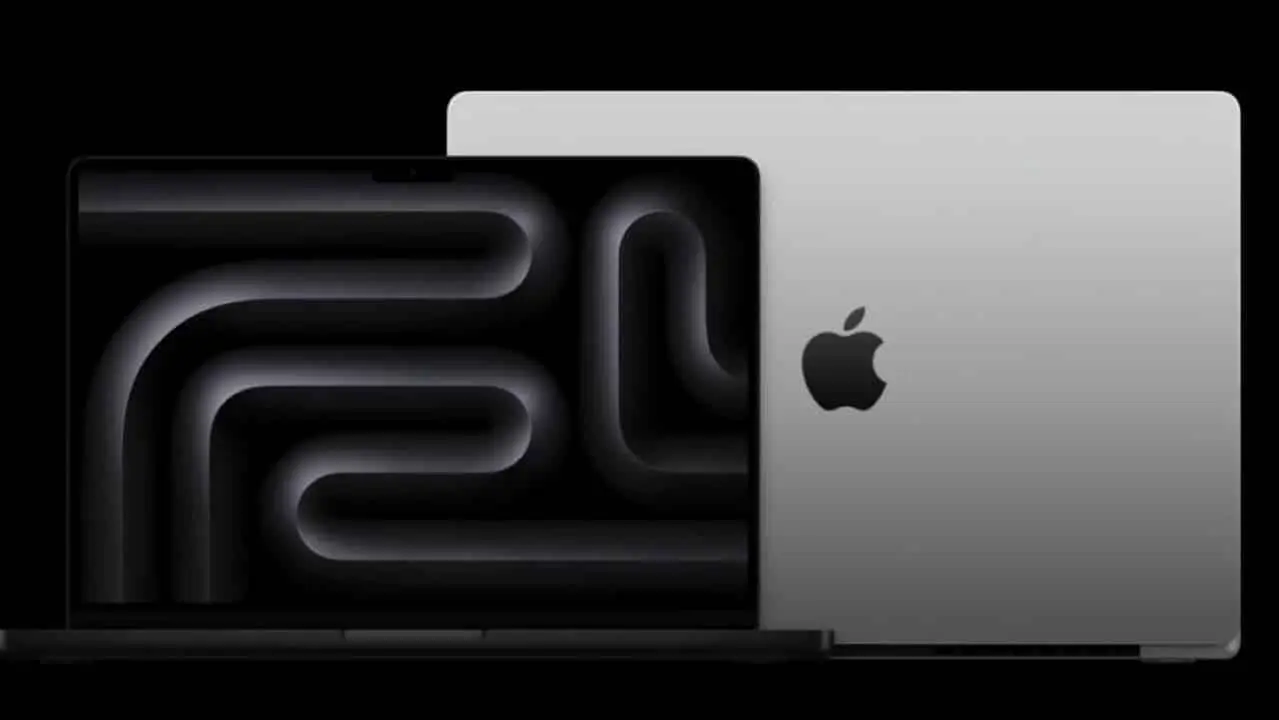
Apple defined the incorporation of Tela and Privacidade technology, a feature initially introduced by Samsung in the Galaxy S26 Ultra smartphone, for the brand’s next generation of portable computers. The new models in the MacBook Pro line, equipped with the M6 Pro and M6 Max processors, will receive visual security functionality based on OLED panels. The tipster known as Schrödinger disclosed the Cupertino maker’s plans, indicating a planned launch in the coming months on the global technology market.
The strategic decision represents a significant change in the electronic components industry’s timeline. A report published by consultancy Omdia in February 2026 indicated that the integration of screens with this privacy signature into notebooks would only occur in 2029. Samsung’s supply chain, however, accelerated the process of refining the parts. Esse technical advance made it possible to immediately commercialize the technology on larger screens, changing the computer assembly planning.
Mecanismo of light refraction and corporate security
The visual blocking system operates by applying a special liquid crystal film directly to the structure of the OLED display. Essa layer reacts to operating system commands and changes its physical state instantly. The modification affects the refractive index of the light emitted by the pixels. The practical result is the total darkening of the panel for anyone trying to observe the monitor from side angles, keeping the image clear only for the user positioned frontally.
The implementation of this optical barrier addresses a critical vulnerability in contemporary work environments. Profissionais from the corporate sector, executives and government agents frequently deal with sensitive data in shared use spaces. The use of computers in airports, coffee shops and open offices exposes sensitive information to the risk of visual eavesdropping. The technology guarantees the confidentiality of the data displayed on the screen without the need for external protection accessories.
The development of the resource required complex adaptations in the manufacturing of the displays. Diferente of removable plastic films sold by third parties, the integrated solution does not compromise maximum brightness or color accuracy when disabled. The engineering behind the component allows the user to switch between sharing mode and privacy mode with a simple keyboard shortcut. Essa versatility meets the demands of design and video editing professionals who depend on absolute color fidelity in their daily lives.
Learn more: Apple adopts Samsung Galaxy S26 Ultra privacy screen on new MacBook Pro M6 models
Segmentação portfolio and hardware specifications
The distribution of the new technology will follow a strict segmentation logic within the manufacturer’s catalog. Preliminary information confirms that the optical privacy feature will be exclusive to equipment positioned in the higher price ranges. The entry-level model of the new generation, equipped with the basic M6 processor, will maintain the use of traditional mini-LED backlighting technology, without the liquid crystal layer.
Technical differentiation establishes a clear boundary between product categories aimed at ordinary consumers and high-performance users. The transition to OLED technology in superior models increases the production cost, justifying the resource limitation. The commercial strategy organizes the notebook line as follows:
- MacBook Pro with basic M6 chip: conventional mini-LED panel, lack of native side protection.
- MacBook Pro with M6 Pro chip: Advanced OLED panel with integrated privacy screen system.
- MacBook Pro with M6 Max chip: OLED panel with improved privacy screen and greater graphics processing capacity.
The market positioning aims to attract corporate buyers willing to invest in native hardware security. The presence of factory-direct visual blocking eliminates additional costs for security peripherals for business computer fleets. Analistas from the technology sector reckons that the exclusivity of the feature on the M6 Pro and M6 Max chips will act as a strong selling point for upgrading old equipment in large corporations around the world.
More on this story: First foldable iPhone arrives with 5,800 mAh battery and ultra-thin 4.5 mm design
See Also

Research shows how a lack of fiber leads intestinal bacteria to attack the body

True crime miniseries Love and Death dominates Netflix top with Texas mystery

South pole of the Moon is a new focus: China details Change-7 mission amid space dispute
Arquitetura thermal and structural redesign
The adoption of OLED panels and new processors required a profound restructuring of the internal architecture of computers. Componentes organic light emitters exhibit high sensitivity to extreme temperature variations. Excessive heat generated by high-performance chips can accelerate pixel degradation and cause permanent image retention, a phenomenon technically known as burn-in.
Para To mitigate thermal risks, Apple engineers have developed a new heat dissipation system for the advanced models. The machines will incorporate a dedicated steam chamber, replacing the traditional copper tubes used in previous generations. The design includes redesigned fans with asymmetrical blades to optimize internal airflow. The new cooling dynamics ensures that the ideal temperature is maintained for both the logic board and the rear structure of the OLED display.
On the same topic: Apple prepares foldable cell phone with 5,800 mAh battery and 4.5 mm chassis
The volume of changes to the chassis, cooling system and screen technology generated speculation about a possible repositioning of the brand. Veículos from the technology media debate the possibility of the manufacturer adopting the commercial name MacBook Ultra for models equipped with the M6 Max chip. The nomenclature would align portable computers with the standards already used in the company’s desktop processors and smart watches, highlighting the hardware’s generational leap.
Component Market Dinâmica in 2026
Apple’s move reflects a broader trend of reconfiguration in the global personal computer market. The search for competitive differentiators based on display technologies has become the main focus of major manufacturers in 2026. Samsung, acting simultaneously as a competitor in the mobile device market and a component supplier, consolidated its leadership in the development of secure displays with the launch of the Galaxy S26 Ultra at the beginning of the year.
The South Korean industry’s ability to scale production of liquid crystal films to dimensions of 14 and 16 inches surprised logistics experts. The breach of the initial estimate by consultancy firm Omdia demonstrates the speed at which Asian assembly lines are adapting to the demand for privacy-focused hardware. The large-scale supply of Cupertino to the giant sets a new standard for the premium notebook segment.
The introduction of the privacy screen on computers with M6 Pro and M6 Max chips puts pressure on the rest of the industry to seek equivalent solutions. Empresas like Dell, Lenovo and HP, which dominate the supply of machines to the corporate sector with the Windows operating system, are already evaluating partnerships with Asian display manufacturers. The expectation of the financial market is that the standardization of native visual blocking in high-cost notebooks will occur rapidly over the next cycles of IT product launches.
More on this story: Samsung Galaxy S26 Ultra with screen problems: what to do?