
Global automakers prepare to launch 10 new compact SUVs in the Indian market by 2028

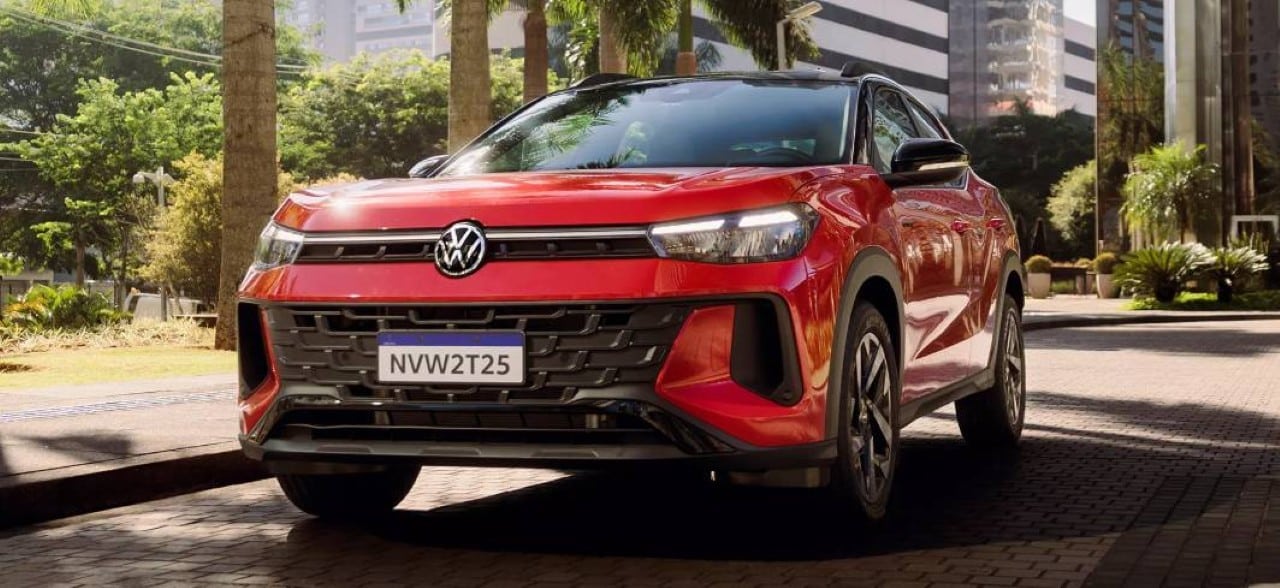
Índia’s automotive market will welcome 10 new compact SUVs over the next three years. Global Montadoras such as Honda, Hyundai, Tata, Kia, Renault, Volkswagen, Mahindra, Maruti Suzuki and VinFast are preparing an offensive of launches between 2026 and 2028. The companies’ strategy involves the introduction of vehicles equipped with gasoline engines, hybrid systems, all-electric propulsion and Gás Natural Veicular-powered options.
The wide range of new models directly meets the growing demand of Indian families for cars that combine interior space, modern technology and energy efficiency. The compact utility vehicle segment currently represents one of the most dynamic and competitive segments of the local automotive industry. Índia has consolidated its position as one of the largest automotive markets in the world, attracting heavy investment in research and development. The country’s legislation, which offers tax benefits for vehicles with reduced dimensions, directly encourages the creation of subcompact utility vehicles adapted to heavy traffic in metropolises.
All-electric Veículos stand out with affordable options
The energy transition drives the arrival of three new SUVs powered exclusively by batteries. The Hyundai Compact EV is scheduled to debut in late 2026 or early 2027. The vehicle will deliver an estimated range of 400 kilometers per charge. The South Korean model focuses on customers looking for a competitively priced electric alternative for daily use in large cities. Expanding charging infrastructure on major Indian roads encourages automakers to diversify their electric offerings.
The expansion of the zero-emissions portfolio also includes the participation of other Asian brands. Kia will introduce the Syros EV in the compact segment, expanding its presence in the sustainable vehicle market. Paralelamente, the Vietnamese manufacturer VinFast, is betting on the VF 3, a micro utility equipped with an 18.6 kWh battery. The vehicle presents a more economical market positioning. The project aims to reach consumers interested in modern resources with lower initial acquisition costs.
Variedade engine serves different consumer profiles
Technological diversity marks the new generation of vehicles designed for the country. Tata Motors prepares the renewal of the Tata Nexon for the end of 2027, maintaining the versatility that consolidated the model as Índia’s best-selling compact sports utility vehicle. The manufacturer will offer versions with a turbo gasoline engine, Gás Natural Veicular system and fully electric propulsion. The Gás Natural Veicular has strong acceptance in the region due to the cost of traditional liquid fuels, making it a requirement for drivers who travel long distances daily.
Outras Automakers are betting on partial electrification to improve fuel efficiency and reduce emissions. The Renault Bridger, scheduled for launch in mid-2027, will introduce 48V mild hybrid technology at a price range unprecedented in the Indian market. Honda is also developing a subcompact utility vehicle for the beginning of 2028. The car will be equipped with a 1.2 liter gasoline engine and has the potential to receive a full hybrid system, expanding low consumption options for families.
Atualizações design and new platforms hit the market
The adoption of modern vehicle architectures allows the creation of cars with greater internal space and better driving dynamics. The next generation of Kia Sonet will use a new platform at the end of 2027. The change guarantees increased dimensions and greater use of the cabin for passengers. The project includes an updated exterior design and enhanced interiors with new finishing materials and digital panels.
The premium segment will receive reinforcement from the Volkswagen with the Tera model, built on the MQB A0 IN architecture. The vehicle will arrive in mid-2027 using the 1.0 TSI turbo gasoline engine. The utility will share visual elements with the Kylaq, maintaining the German brand’s global identity and reducing local development costs. The strategy allows the offering of advanced technology and structural safety in a high-volume sales segment.
Mahindra is also preparing new features with the Vision S, based on the NU IQ platform and scheduled for the beginning of 2027. The model will feature robust proportions and will be sold with 1.2 turbo gasoline and 1.5 diesel engines. The vehicle essentially functions as a smaller-scale version of the Scorpio N utility vehicle. The manufacturer aims to compete directly in the compact category by offering a product with strong visual appeal and the ability to tackle poorly paved roads.
Cronograma launches move local automotive sector
The manufacturers have established an intense calendar of presentations for the coming years. Already established Modelos will also undergo in-depth updates to maintain competitiveness in Indian dealerships. The Maruti Suzuki Brezza Facelift will offer a factory-installed Gás Natural Veicular system with the tank positioned under the body. The technical modification, combined with the six-speed manual transmission, makes the vehicle more practical for family use and frees up full space in the trunk.
The complete list of compact SUVs confirmed for the Indian market includes the following new features:
- Hyundai Compact EV (late 2026 or early 2027) with a range of 400 kilometers.
- Mahindra Vision S (early 2027) with turbocharged gasoline and diesel engines.
- Renault Bridger (mid-2027) equipped with 48V mild hybrid technology.
- Volkswagen Tera (mid-2027) with 1.0 TSI turbo engine and MQB A0 IN architecture.
- Next generation Tata Nexon (end of 2027) with combustion, CNG and electric options.
- Next generation Kia Sonet (late 2027) built on new extended platform.
- Honda subcompact utility vehicle (early 2028) with 1.2 liter engine and hybrid potential.
- Maruti Suzuki Brezza Facelift with factory CNG system under the body.
- Kia Syros EV focused on expanding the compact electric utility vehicle segment.
- VinFast VF 3 positioned as an urban micro utility with 18.6 kWh battery.
The joint movement of automakers demonstrates the strength of the Asian market in defining global engineering trends. The concentration of investments in compact sports utility vehicles reflects drivers’ consolidated preference for tall, versatile vehicles adapted to urban infrastructure. The arrival of the 10 new models intensifies the competition for share in sales and forces companies to raise the standard of standard equipment, connectivity and safety in all versions available in stores.





