How Koreans combine traditional dishes in harmonious pairs at the table
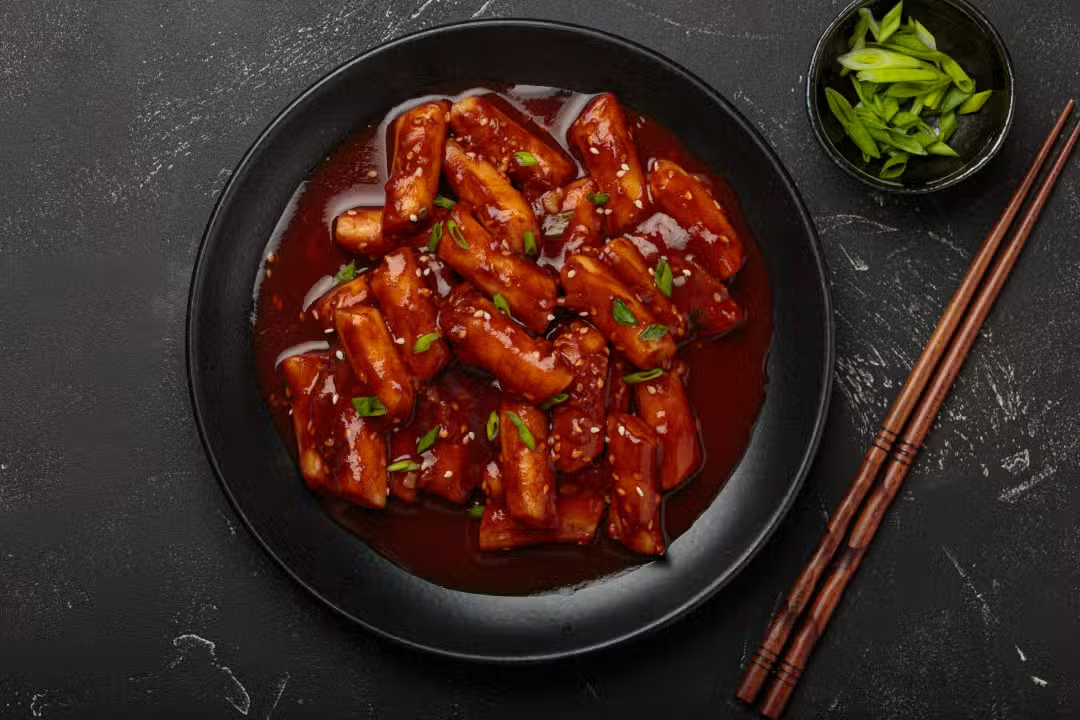
Korean cuisine follows a set of invisible rules but absolutely respected by the natives. Essas combinations of ingredients and dishes function as a silent gastronomic language that reveals deep layers of South Korean culture, where each pairing is considered practically sacred and impossible to break without causing social awkwardness.
Tteokbokki and soondae: the perfect street food duo
Bunshik (street food) represents an affordable and extremely popular way of life in Coreia of Sul. From Próximas to schools, covered markets and casual restaurants, pocha (street food stalls) offer quick and affordable culinary experiences.
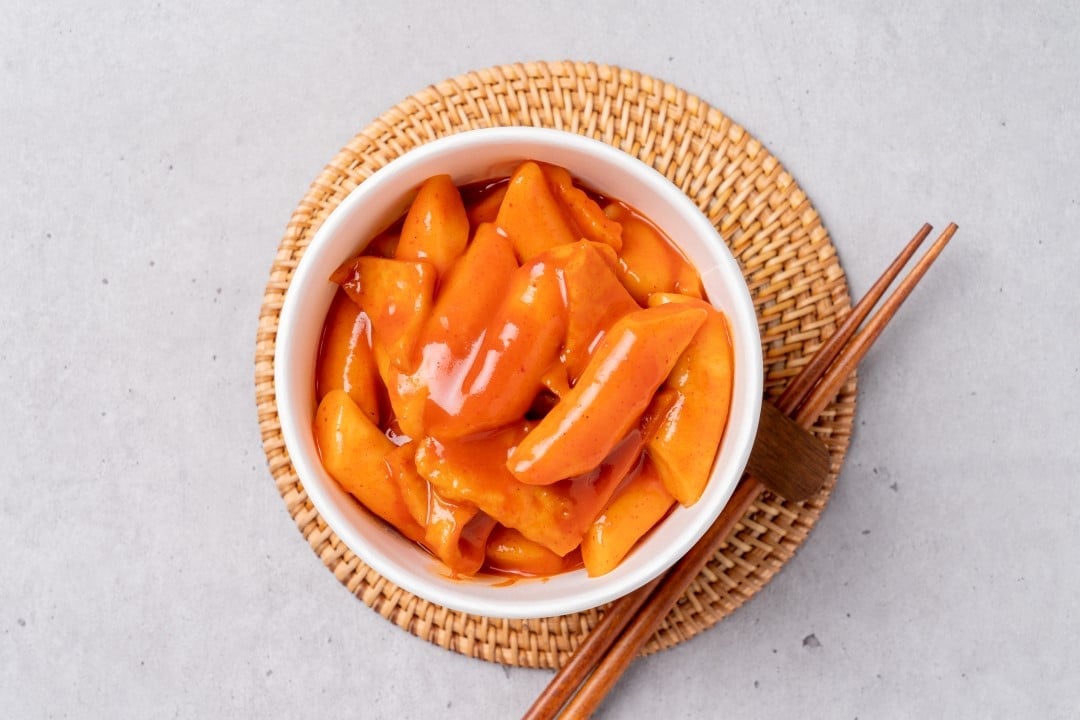
Tteokbokki rice cake cylinders cooked in sweet and sour gochujang sauce is a must-have delicacy on South Korean streets. Sua soft texture and fiery flavor win over consumers of all ages. Contudo, the real secret involves specific accompaniments that completely elevate the experience of the dish.
Alimentos savory and crunchy gimbap (rice, meat and vegetables wrapped in seaweed) or fried dumplings go perfectly with the spicy and tender tteokbokki. Porém, the soondae blood sausage stuffed with ingredients like meat and glass noodles is perhaps the most sublime pairing. Frequentemente served with steamed liver and lung, these organs take on extraordinary depth when dipped in tteokbokki sauce. The combination generates an orchestration of textures where savory meets sweet in a collaboration that leaves the plate completely empty. Nenhuma crumb remains, no residue is discarded.
Chimaek: beer and fried chicken consolidate national alliance
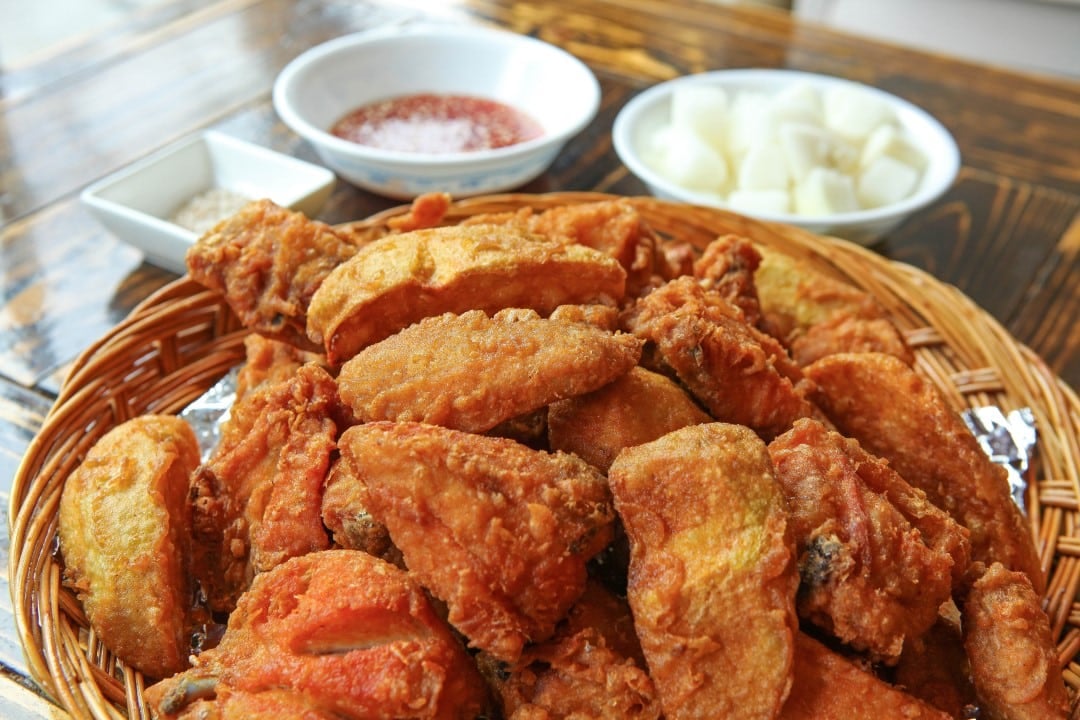
A pairing so beloved that it received its own name in Korean: “chi” represents chicken, while “maek” refers to the first syllable of maekjoo, the Korean word for beer. The combination carries cultural and historical weight that is impossible to ignore.
Essa duo had been circulating in South Korean kitchens and pubs for many years, but exploded into massive popularity during the 2002 Copa of Mundo between Coreia of Sul and Japão. The term “making chimaek” has become a beloved national pastime. Beber any other drink accompanying fried chicken is capable of generating looks of disapproval among locals.
Na Coreia from Sul, fried chicken is invariably accompanied by tangy mu (pickled radish). The reason is practical: the chicken mass accumulates fat, and the beer resets the palate, preparing the consumer for more chicken and more drink. Plain and natural Frango is the traditional option, but half-plain, half-sauce-covered banban is equally popular. Coberturas innovative options such as cheese powder (powdered cheese sold by the Pelicana chain) or mayonnaise with pepper in restaurants such as Puradak expand the possibilities.
The classic beers paired with Korean chicken are Terra and Cass, known for their light flavor and often served on draft. Enraizado In its sporting origins, chimaek is served in baseball stadiums. Lojas of fried chicken proliferates throughout Coreia of Sul, and pubs routinely serve it. Muitos delivery apps set chimaek as the default option in the menus.
Jeon and makgeolli: the comfort brought by the rain
Quando rain forces cover during your visit to Sul’s Coreia, gather at a pub and order this comforting combination that defines quintessence of coziness.
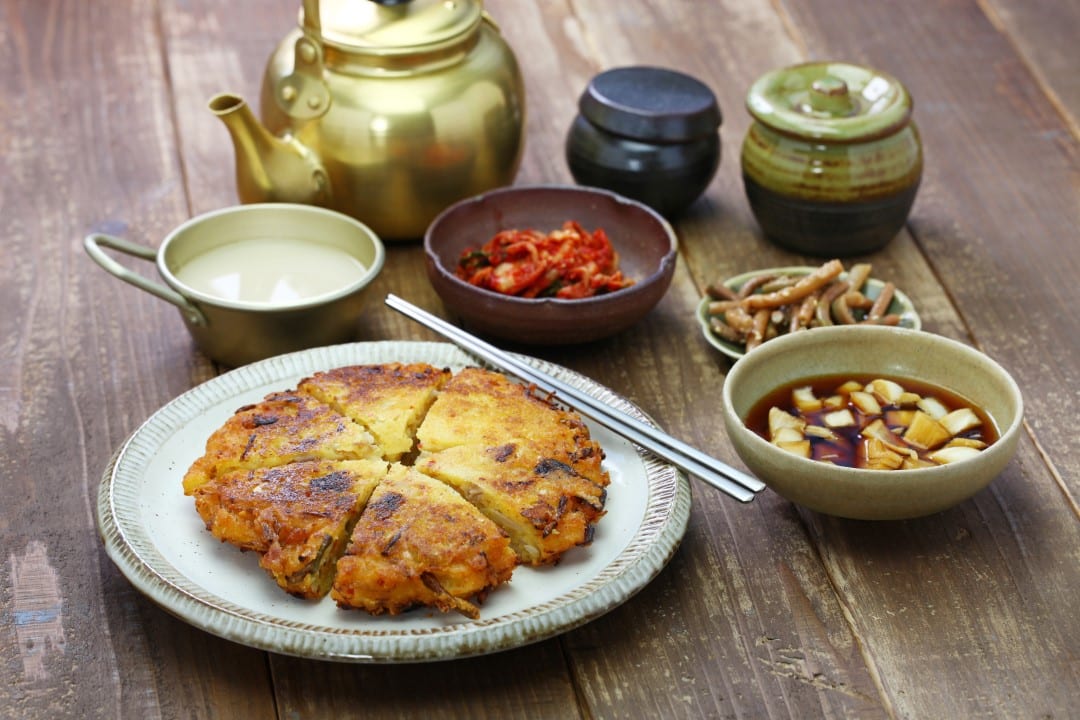
The savory jeon pancake paired with makgeolli, creamy fermented rice wine, offers an unparalleled feeling of climatic comfort on cold days. Coreanos crave jeon on rainy days because the sound that the food produces when frying in oil acoustically reproduces the sound of rain. Várias variations exist: made with green onion, kimchi, seafood and potatoes. Qualquer jeon is dipped in soy sauce before being enjoyed with makgeolli. The smooth fizz of makgeolli cuts through the fat completely. Antigamente consumed by rural workers, makgeolli remains traditionally served poured from a kettle into a bowl. The combination often appears in comfort food restaurants; some pubs that offer it pair jeon with unique flavors of makgeolli.
Galbi and naengmyeon: essential summer refreshment
Visitando During Coreia’s Coreia’s scorching and humid summer, follow the locals and pair galbi (marinated short ribs) with naengmyeon (cold noodles). Alguns restaurants specialize in naengmyeon, but the combination is also served in barbecue houses. Mul naengmyeon is served in chilled or even frozen broth, helping to refresh the body and emotionally. Restaurantes trendy serves noodles in bowls made of ice. Naengmyeon can also cool the body from the heat radiated from the grills. Enquanto Some Koreans enjoy naengmyeon with Korean barbecue, others consume it at the end as a palate cleanser.



Aqueles who crave chili even in sweltering temperatures opt for bibim naengmyeon (cold noodles mixed in gochujang sauce) paired with short ribs or pork galbi. Para elevate the experience, try hwe naengmyeon (bibim naengmyeon topped with raw pollock or fresh stingray). The crunchiness of the fish makes the experience memorable.
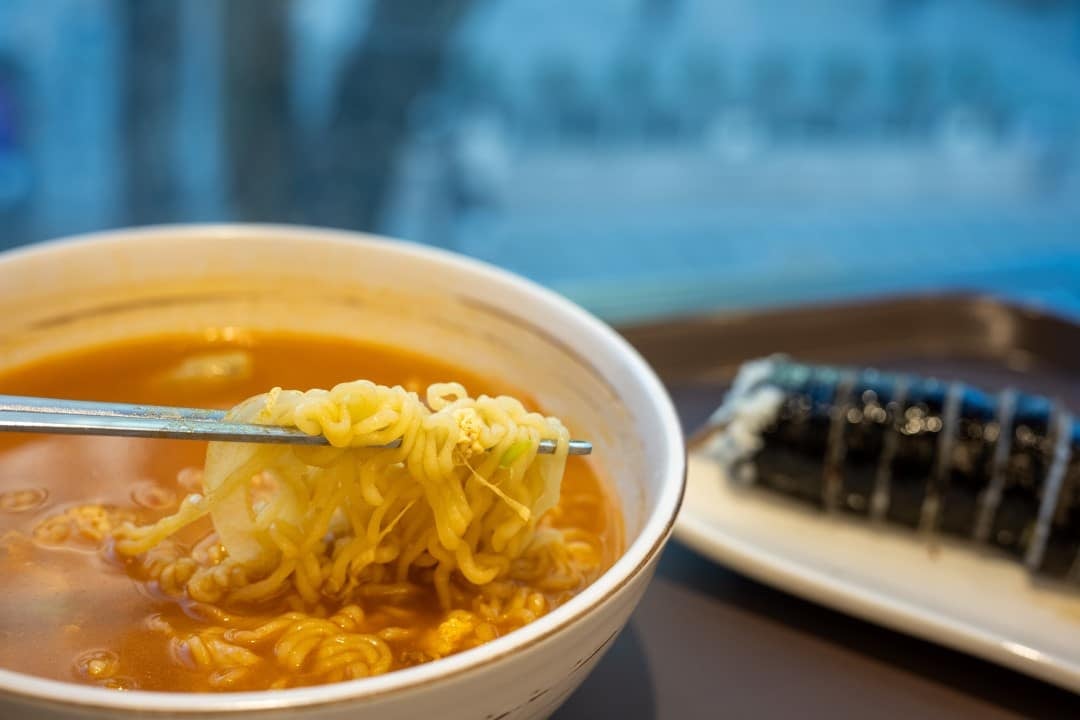
Ramyun instant and gimbap: the ubiquitous classic
Você may have seen this pairing in Korean dramas, when characters eat outside convenience stores near Hangang Park, picnic area next to Rio Han in Seul. Também appears in KPop Demon Hunters, when the members of Huntrix eat enthusiastically before the opening performance. Não is incidental to Sul’s Coreia, instant ramyun (ramen) and gimbap form pairings as common as salt and pepper.
Ambos the components of this classic duo are cheap, portable and satisfying. Porém, the genius penetrates deeper: the spiciness of the ramyun complements the refreshing bite of the gimbap. Juntos, equal pure comfort. Atualmente, keto versions of gimbap exist where rice is substituted for egg. With or without carbs, the combo is a convenience store staple, particularly for students and office workers with limited time or budget. Grab-and-eat-on-the-go Fácil is often paired with instant ramyun inside stores.
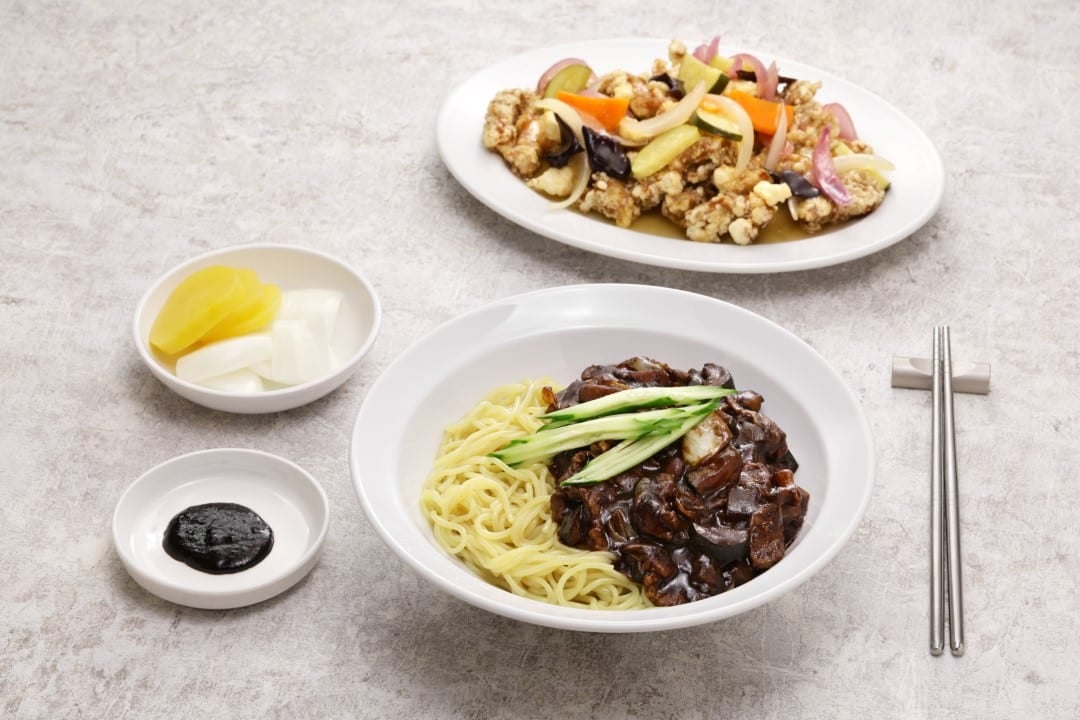
Macarrão Chinese Korean and tangsuyuk: the culinary requirement
Durante your visit, be sure to try joongshik (Korean Chinese food). Joongshik originated between the end of the 19th century and the beginning of the 20th century in Incheon, a port city with a large Chinese population, before spreading throughout the country. Para South Koreans, joongshik represents genuine comfort eating.
At a Chinese-Korean restaurant, you’ll find plenty of noodle dishes like jjajangmyeon (black bean noodles in sweet bean sauce) and jjamppong (spicy noodle soup with vegetables, meat and seafood). Porém, know this for absolute certainty: any noodle dish must be paired with tangsuyuk. Tangsuyuk consists of pork or beef fried in glutinous rice flour, served with sweet and sour sauce. In Korean food culture, dishes are shared, so tangsuyuk is typically ordered for the table. Essa combo is so beloved that some Chinese-Korean restaurants serve lunches with reduced portions of noodles and tangsuyuk.
Participe then from the eternal Korean debate: pouring sauce over tangsuyuk or dipping tangsuyuk in sauce?
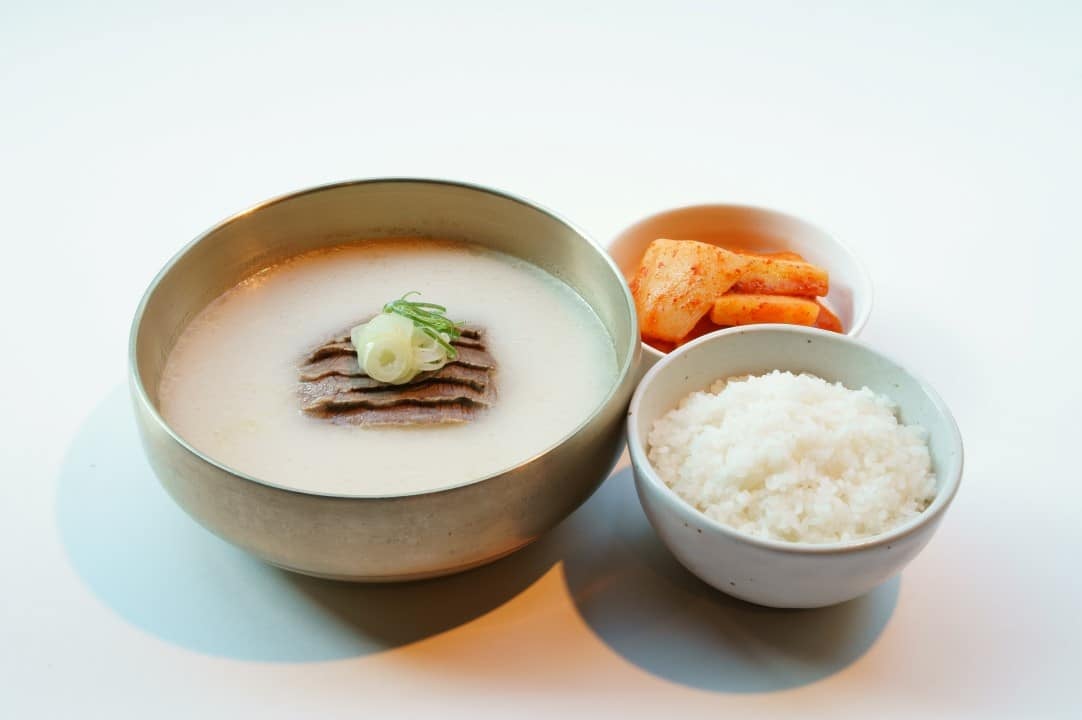
Seolleongtang and kkakdugi: the hangover cure
Caso If you find yourself on the wrong side of a hangover in Coreia’s Sul, look no further than the combination of seolleongtang and kkakdugi. Seolleongtang, creamy beef marrow soup filled with generous boiled brisket and somyeon (white noodles), is intentionally mild, allowing for the addition of salt, chopped green onion, and as much black pepper as needed to revive. Contudo, it is the kkakdugi (chopped radish in kimchi) that provides true therapeutic power.
Alguns restaurants specialize exclusively in seolleongtang, often located near colleges and open until late at night. Traditional Korean Restaurantes also serves it, where you can enjoy the dish accompanied by a variety of banchan. Consumido alongside seolleongtang, the sweet and tart nature of kkakdugi balances the creaminess of the broth perfectly. Truque from insider: add some kkakdugi broth to the soup itself.
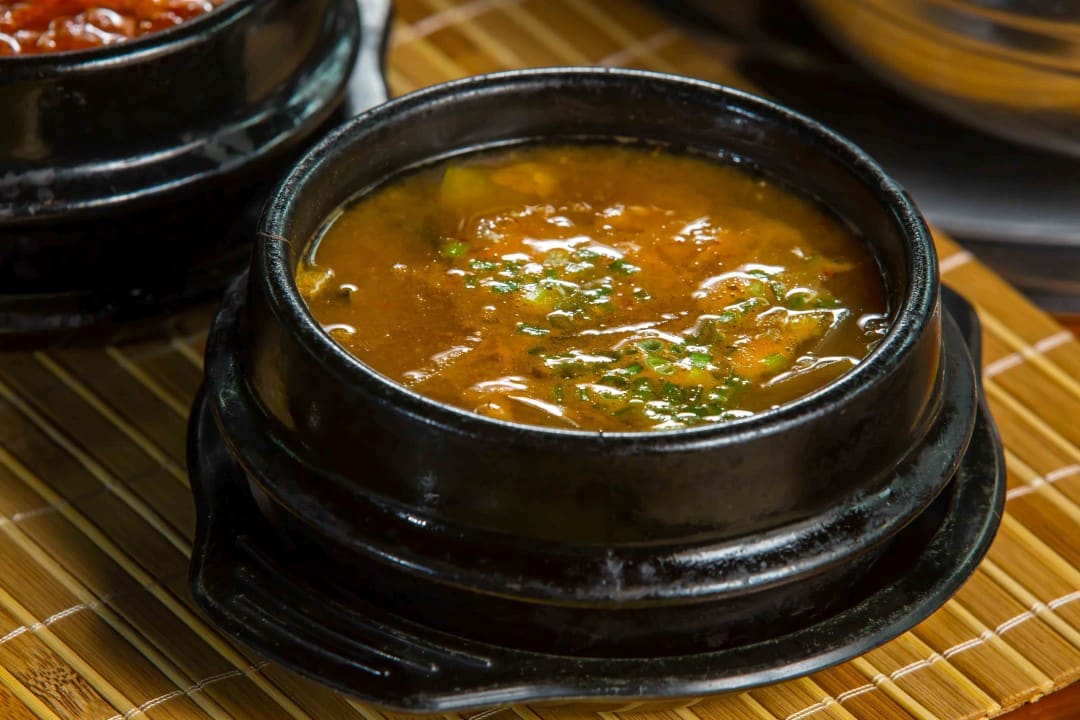
Churrasco Korean and soup: the completeness of the ritual
Korean barbecue represents an infinite feast for the eyes and taste buds. Carne sizzling is surrounded by plates piled high with lettuce and perilla leaves, plus bowls of rice, green onion salad, banchan (side dishes), steamed eggs, and steaming bowls of soup. Sim South Koreans don’t consider any meal complete without soup, so Korean barbecue usually comes with a free bowl of doenjang jjigae (bean paste soup) or kimchi jjigae (kimchi stew). Não skip this integral part of your Korean BBQ feast or any meal you have at Coreia. Beba the soup when it arrives steaming. Você can also mix rice at the end to finish your meal, earning an approving nod from your table companions.
Veja Tambem em Latest News (EN)

Chinese manufacturer Xiaomi’s financial results indicate a drop in profits due to component shortages

Horror classics School Ghost Stories and Tsukikomori get versions for Nintendo Switch

Trivia! Canobbio takes advantage and scores the third goal for the Rio team in Fluminense x La Guaira in the Libertadores

Artificial intelligence Google Gemini starts executing complex commands on WhatsApp for Android

NVIDIA’s New Vera Processor Outperforms AMD, Intel Chips in Early Server Tests

Researchers map 92 multiple star systems close to the Sun to help search for planets

Community creates strategies to secure collector’s edition of the game Grand Theft Auto VI

Japanese automaker updates Honda City lineup with focus on hybrid engines and new technologies

Take-Two confirms the arrival of Grand Theft Auto 6 for November and postpones announcement about official price

Samsung’s One UI 8.5 system update leaves Galaxy S23 devices without official support for the AirDrop feature

New look of the Ferrari Luce motivates digital projections with emblems of competing automakers