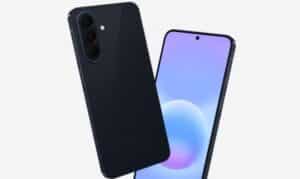
Samsung’s One UI 8.5 system update leaves Galaxy S23 devices without official support for the AirDrop feature
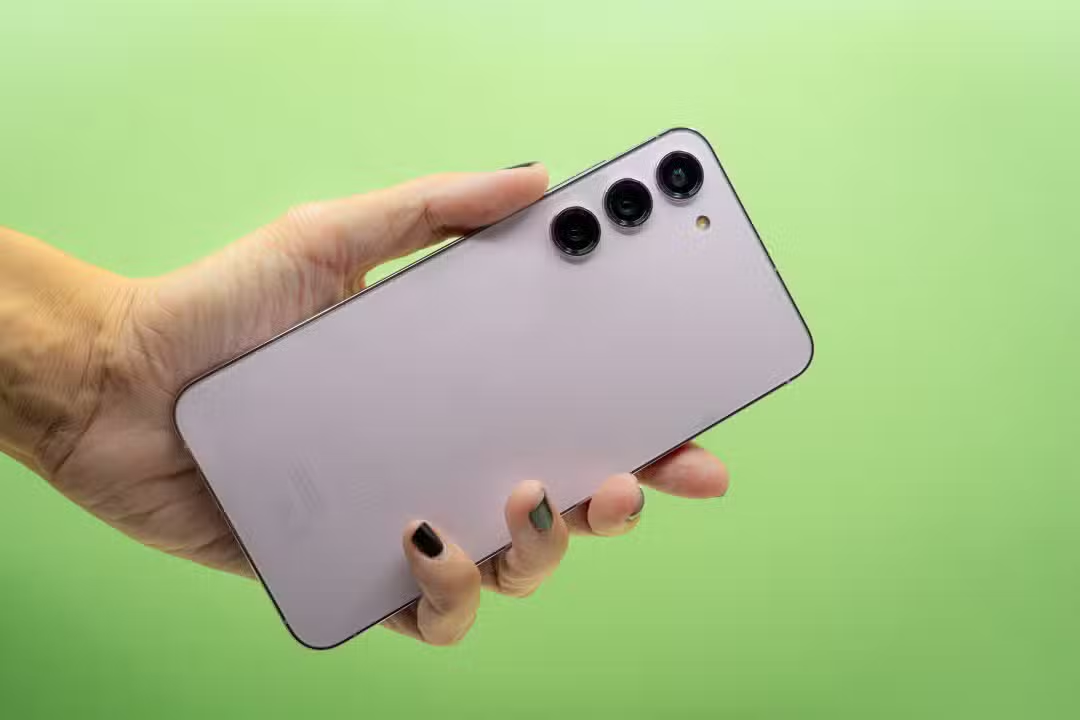
The release of the stable version of the One UI 8.5 system by Samsung generated immediate discontent among the owners of the Galaxy S23 line. The software package arrived on devices about a week ago. The main frustration stems from the lack of support for AirDrop, the feature most awaited by consumers. The functionality was not included in any of the three models in the S23 series, which led to a wave of massive complaints on forums and online user communities.
The omission of the transfer protocol caused outrage among customers who expected feature parity with the brand’s newer generations. An owner of the Galaxy S23 Ultra model reported that the update appeared to deliver only a visual overhaul of the interface. Outro version user Galaxy S23 Plus stated that deleting the tool ruined the experience with the new software. Discussions on social media indicate that part of the public interprets the corporate decision as a deliberate tactic of planned obsolescence.
Estratégia from Samsung keeps Galaxy S23 off the compatibility list
The South Korean giant confirmed that only devices in the Galaxy S24 line and later models receive official AirDrop support. The company maintains a historical standard in its updates. Embora the Galaxy S23 series has the technical capacity to run the feature, Samsung chose not to prioritize this inclusion in the One UI 8.5 package. The strategy of restricting advanced tools on older models follows the corporate practice of differentiating the most recent generations on the market.
Consumers point out that the current decision contradicts the promises of extended support made at the time of launch. The Galaxy S23 still has one year of major software updates guaranteed by the manufacturer. Receber system packages without access to the most prominent features represents a clear disconnect. The gap between commercial promises and the actual delivery of functionalities creates a strain on the trust relationship with the user base.
The mobile technology market often adopts this approach to drive sales of new hardware. Software differentiation acts as an incentive to switch devices. However, the installed base of older generation customers feels the immediate impact of this policy. Deleting popular connectivity tools directly impacts day-to-day usability and integration with other ecosystems.
Análise technical about hardware and chipset Snapdragon 8 Gen 2
In-depth technical analyzes suggest that the Galaxy S23 line is fully capable of running the transfer tool. The devices are equipped with the Snapdragon 8 Gen 2 chipset, which integrates the Qualcomm FastConnect 7800 system. Este specific hardware supports Wi-Fi 7 connectivity. The chip’s official documentation also confirms the capability for multi-link operation, a key requirement for high-speed connections.
A technically knowledgeable user detailed the situation on the Reddit platform. Ele stated that the processor’s theoretical architecture would allow implementation of the Apple Wireless Direct Link (AWDL) protocol. Este is the technological standard that makes AirDrop possible in practice. The technical discovery further fueled the debate about the real reasons that led to the feature’s deletion in the One UI 8.5 version.
Porém, the theoretical evaluation comes up against critical software engineering limitations. The AWDL protocol works by dividing data transfers into very small packets. The system needs to switch communication channels quickly to keep the transfer active while the device remains connected to the internet. A less capable or uncalibrated Wi-Fi module can create a processing bottleneck. Esse obstacle would make the functionality impractical or excessively slow for actual consumer use.


Obstáculos system engineering and optimization
Seamless implementation would require a joint development effort. Samsung and Google would need to invest substantial time in specifically optimizing the code for the Galaxy S23 architecture. The adaptation of complex protocols to previous generation hardware does not occur automatically. The process requires fine adjustments to the operating system kernel.
- Necessidade of financial investment in reverse engineering and stability testing.
- Risco degradation of the device’s overall performance during heavy file transfers.
- Alocação of corporate resources and support teams focused exclusively on the Galaxy S24 line.
- Possibilidade conflicts with security protocols already established in previous versions of the system.
Realizar a retrofit on devices that have been on the market for three years requires ongoing support. Como only has one year of major updates left for the Galaxy S23, Samsung has directed its resources towards the newer models. Essa pragmatic approach is common among large consumer electronics manufacturers. The decision aims to guarantee the stability of the system, although it generates predictable dissatisfaction among the old customer base.
Ciclo on the life of smartphones and the consumer dilemma
The dynamics of consumption in the technology sector has undergone significant transformations in recent years. The era when annual phone updates were considered mandatory has come to an end. Modern smartphones have physical durability and processing performance suitable for three or four years of continuous use. Contudo, maintaining ownership of an older device inevitably means being locked out of some of the most innovative features.
Essa is the expected reality of contemporary mobile technology. Users face a genuine dilemma in managing their devices. Eles want maximum resource parity for as long as possible. Simultaneamente, prefer not to receive updates that degrade battery performance or that work improperly on older hardware. If a new feature has the potential to slow down the device, deleting it represents a responsible technical decision on the part of the manufacturer.
The controversy surrounding the Galaxy S23, One UI 8.5 and AirDrop reflects ongoing tension in the market. The conflict occurs between high consumer expectations and technology business cycles. Samsung transparently communicated the extended support period for the line. However, the company differentiates features based on hardware generation. Users will continue to receive essential security updates and general software improvements. The latest and most demanding tools, however, will remain exclusively maintained for the Galaxy S24 family and its direct successors.
Veja Tambem em Latest News (EN)

Chinese manufacturer Xiaomi’s financial results indicate a drop in profits due to component shortages

Horror classics School Ghost Stories and Tsukikomori get versions for Nintendo Switch

Trivia! Canobbio takes advantage and scores the third goal for the Rio team in Fluminense x La Guaira in the Libertadores

Artificial intelligence Google Gemini starts executing complex commands on WhatsApp for Android

NVIDIA’s New Vera Processor Outperforms AMD, Intel Chips in Early Server Tests

Researchers map 92 multiple star systems close to the Sun to help search for planets

Community creates strategies to secure collector’s edition of the game Grand Theft Auto VI

Japanese automaker updates Honda City lineup with focus on hybrid engines and new technologies

Take-Two confirms the arrival of Grand Theft Auto 6 for November and postpones announcement about official price

New look of the Ferrari Luce motivates digital projections with emblems of competing automakers

Gakkou titles by Atta Kowai Hanashi and Tsukikomori debut on Nintendo Switch with new features