
Manufacturer launches iPhone 18 line with 200 MP camera and reveals first foldable cell phone

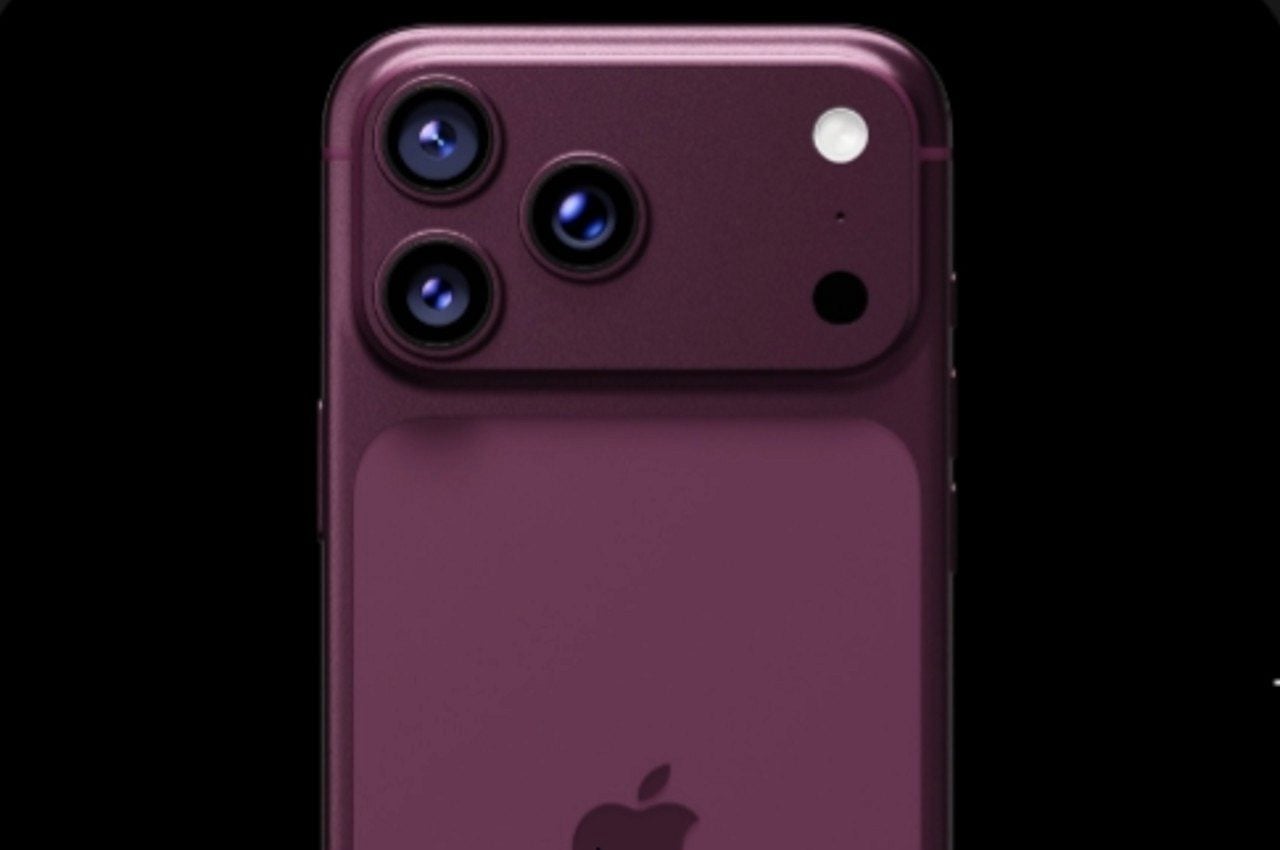
Apple announced its new line of mobile devices for the global market, highlighting the arrival of the iPhone 18 Pro Max and the unprecedented iPhone Fold. The devices feature profound hardware innovations, including a 200-megapixel photo sensor and the manufacturer’s official entry into the flexible screen segment. The commercial launch is scheduled for September 2026. The portfolio update consolidates the company’s strategy of diversifying its options for different consumer profiles around the world.
With prices ranging from US$899 for the standard model to around US$2,000 for the foldable version, the brand introduces technologies such as variable lens aperture and advanced artificial intelligence processing directly into the device. The movement seeks to maintain competitiveness in the high-end telephone sector. The company focuses on clearly segmenting its products to meet specific demands for professional and everyday use.
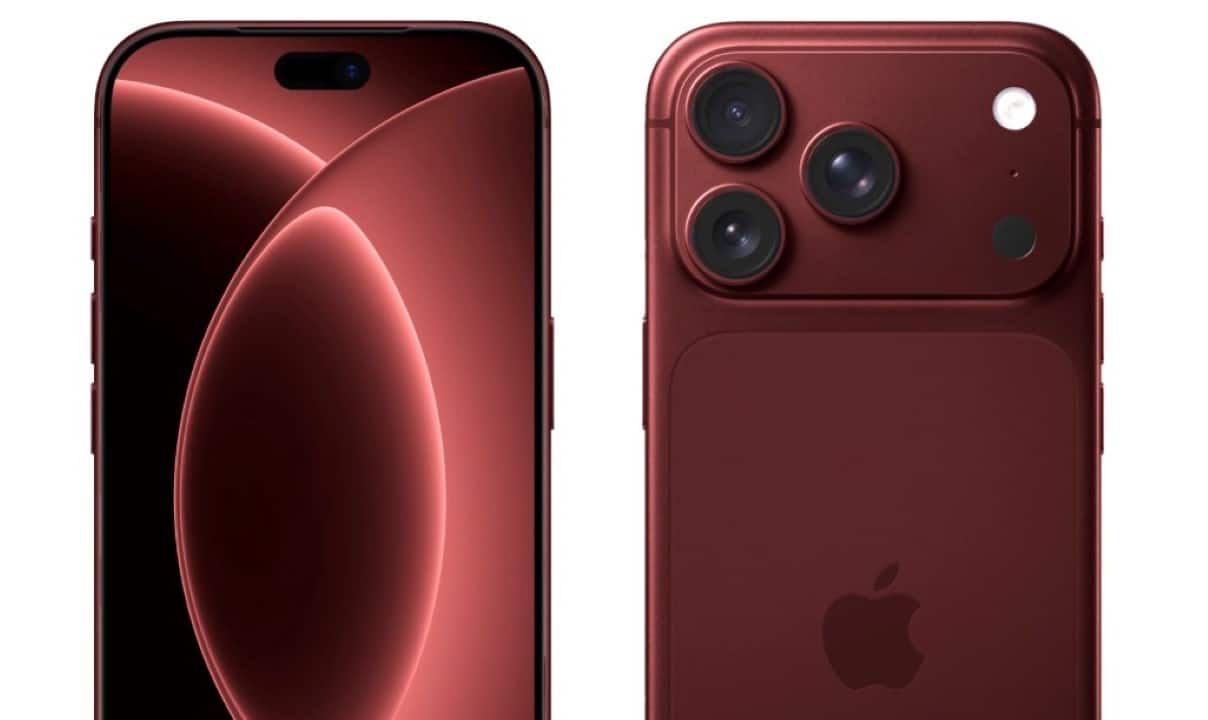
Image Capture Sistema Gets Dynamic Aperture Lens
The iPhone 18 Pro Max photography set has undergone significant structural modifications to bring it closer to professional equipment. The device now features a 1/1.12-inch main sensor, specifically designed to maximize light absorption during rapid shooting. Essa technical change results in a considerable reduction in digital noise in photographs captured at night or in low light environments. The quality of images in adverse conditions presents a notable performance leap compared to the brand’s previous generations.
The big difference of the new module is the implementation of a new lens with variable aperture. The physical mechanism allows the user to adjust the size of the diaphragm in real time, even before recording the image. Isso guarantees control over depth of field optically, dispensing with artificial simulations generated by software. The 200 MP periscopic camera works in conjunction with this system, ensuring a close-up without loss of detail or color distortion.
In the case of the iPhone 18 Pro, the rear module is made up of three distinct lenses with robust specifications. The equipment has a 48-megapixel main sensor, an ultra-wide-angle lens with the same resolution and a 64-megapixel periscopic camera for advanced zoom. Video recording on both models in the Pro line reaches 8K resolution at 60 frames per second. The system uses automatic correction algorithms to adjust exposure and white balance continuously during shooting.
Eficiência power and connectivity with the A20 Pro chip
The processing of the new smartphones is controlled by the A20 Pro chip, built with a two-nanometer lithography. The component architecture ensures greater speed when executing complex tasks and drastically optimizes daily energy consumption. The iPhone 18 Pro Max is powered by a 5,200 mAh high-density battery, while the Pro version uses a 4,300 mAh cell. The estimated autonomy reaches 26 hours of continuous use, reaching 72 hours with the activation of the extreme economy mode that deactivates secondary functions.
The devices’ screens use LTPO Super Retina XDR OLED technology, equipped with the M16 panel provided by partner Samsung. The Pro Max model features a large 6.9-inch display, and the Pro has a 6.3-inch screen. ProMotion refresh rate adjusts the frequency up to 120 Hz depending on the content displayed, saving battery power on still images. The space occupied by the Dynamic Island was reduced by engineers, expanding the usable area for notifications and icons at the top of the display.
- Memória 12GB RAM to support running multiple apps in the background simultaneously.
- Capacidade of internal storage with varied options that reach 2 TB in the Pro Max model.
- Modem C2, manufactured in-house, developed to improve signal reception from telephone operators.
- Suporte native to Wi-Fi 7 and Bluetooth 6 high-speed wireless connection standards.
- Sistema satellite communication expanded for sending text messages in areas without coverage.
The integration of these hardware components aims to meet the demand for devices capable of processing large volumes of data without compromising battery life. Apple focused efforts on balancing graphics performance with chassis thermal efficiency. The internal design has been redesigned to dissipate heat quickly, preventing overheating during prolonged use of heavy tools or high-end gaming.
Foldable Dispositivo opens new category in the brand’s portfolio
The introduction of the iPhone Fold represents the definitive entry of Apple into the highly sought-after sector of mobile phones with flexible screens. The device adopts a book format, offering a 5.5-inch external display for quick interactions and conventional daily use. When opened, the device reveals an internal high-resolution foldable 7.8-inch OLED screen. The expanded format transforms the smartphone into a compact tablet, making it easier to view complex spreadsheets, read long texts and consume media in full screen.
The hinge mechanism underwent a long period of testing to reduce the visibility of the central brand on the screen, a common technical challenge for this type of product in the current market. Biometric security is performed by the Touch ID system, which has been strategically relocated to the physical power button on the side of the metal chassis. Essa shift optimizes the internal space of the equipment and allows quick and safe unlocking even with the device completely closed.
The technical specifications of the folding model are quite similar to those found in the traditional Pro line. The iPhone Fold is equipped with the A20 Pro processor, 12 GB of RAM and internal storage options up to 2 TB. The rear photographic set has two high-performance lenses, led by a 200-megapixel main sensor. With a suggested price of US$2,000, the equipment is aimed at a niche market willing to adopt new hardware formats and invest in innovation.
Sistema iOS 27 prioritizes local artificial intelligence features
Toda, the new generation of smartphones leaves the factory running the iOS 27 operating system. The software brings a significant focus on implementing generative artificial intelligence tools natively. The Siri virtual assistant underwent a complete restructuring of its base code, acquiring the ability to understand much more complex voice commands. The tool can now maintain context in long conversations and cross-reference information from different applications to execute scheduled tasks autonomously.
The gallery photo app has received automated functions that identify composition flaws and suggest precise edits to users. A new advanced tool allows you to remove unwanted objects from the background of images, reconstructing the pixels in the affected area in an imperceptible way. The virtual keyboard has also been improved, analyzing frequent vocabulary to suggest complete answers. The processing of these tasks takes place locally on the A20 Pro chip, without the need to send personal data to external servers in the cloud.
The iPhone 18 base model acts as the gateway to the line and hits the market for US$899. The device incorporates ProMotion technology for smooth scrolling and guarantees full compatibility with the artificial intelligence features of iOS 27. The color palette includes dark cherry, light blue, dark gray and silver options, leaving aside the black version. The iPhone 18 Pro starts at US$1,099, reflecting the high cost of the new photo sensors. The clear division of the portfolio seeks to serve the general public, image professionals and enthusiasts of new formats.





