
Players discuss the future look of The Legend of Zelda franchise on the Nintendo Switch 2 console


The gaming community is actively discussing the artistic direction that the next title in the The Legend of Zelda franchise will adopt in Nintendo Switch 2. The central debate divides users between the preference for graphics with realistic proportions and maintaining the stylized aesthetics present in the most recent releases in the series. The hardware transition raises expectations. The public is waiting to see how the company will use the updated processing power. Discussions gain momentum on forums and social networks while the manufacturer keeps the details of the project completely confidential.
The brand’s history shows that visual changes often accompany innovations in game mechanics, which adds a layer of complexity to consumer speculation. The final decision will directly impact the way the public interacts with the medieval fantasy universe. The graphic evolution of the series has always represented a direct reflection of the technological capabilities of each era. The current debates reflect a division that has accompanied the fan base for several console generations.
Histórico of graphical transitions on Nintendo consoles
The visual evolution of the The Legend of Zelda series follows the technological development of Nintendo consoles since the launch of the first game in 1986. The transition from NES pixel art graphics to three-dimensional models in Ocarina of Time, released in 1998, marked a turning point in the video game industry. The title established proportions inspired by Japanese animations. The environments presented redefined the technical standards of the time. The three-dimensional structure required new approaches to the camera and combat system, influencing adventure game design for decades.
In 2000, the Space World event featured a technical demo for the GameCube that showcased Link and Ganondorf in combat with detailed textures and dynamic lighting. The promotional material generated strong public expectations for a game with humanoid proportions and a more mature tone. The demonstration was strictly to illustrate the processing capabilities of the new hardware. The video did not represent a project in active development. Players, however, assimilated those images as an official promise for the future of the franchise, creating a demand for photorealism that persists to this day.
Impacto of cel-shading and community reception
Dois years after the technical demonstration, Nintendo surprised the market with the announcement of The Wind Waker, which adopted the cel-shading technique, vibrant colors and a cartoon aesthetic. The change transformed the protagonist into the version that became known as Toon Link. A significant portion of the community criticized the initial artistic choice. Muitos classified the visual as aimed exclusively at children. Fóruns from the internet registered petitions from users demanding a return to the realistic style previously displayed at the Space World event.
Director Eiji Aonuma maintained the creative direction of the project, facing resistance even among Nintendo’s internal executives. The launch proved the success of the approach, achieving high sales figures and generating direct sequels for portable platforms. Analistas and players alike now recognize that the cel-shaded style has allowed for the development of expressive facial animations. The choice guaranteed visual longevity to the title. The cartoonish aesthetic contrasted efficiently with the darker narrative themes present in the game’s story, creating a unique identity.
Em resposta ao desejo contínuo por gráficos realistas, a empresa lançou Twilight Princess anos depois, apresentando tons escuros e proporções anatômicas mais fiéis à realidade. The title met the demand of the public who preferred the atmosphere suggested in the 2000 demonstration. The alternation between styles proved the versatility of the franchise. The series has demonstrated the ability to adapt its visual identity according to mechanical needs and market expectations, without losing the fundamental elements that characterize the brand.
Era of the open world and the consolidation of watercolor aesthetics
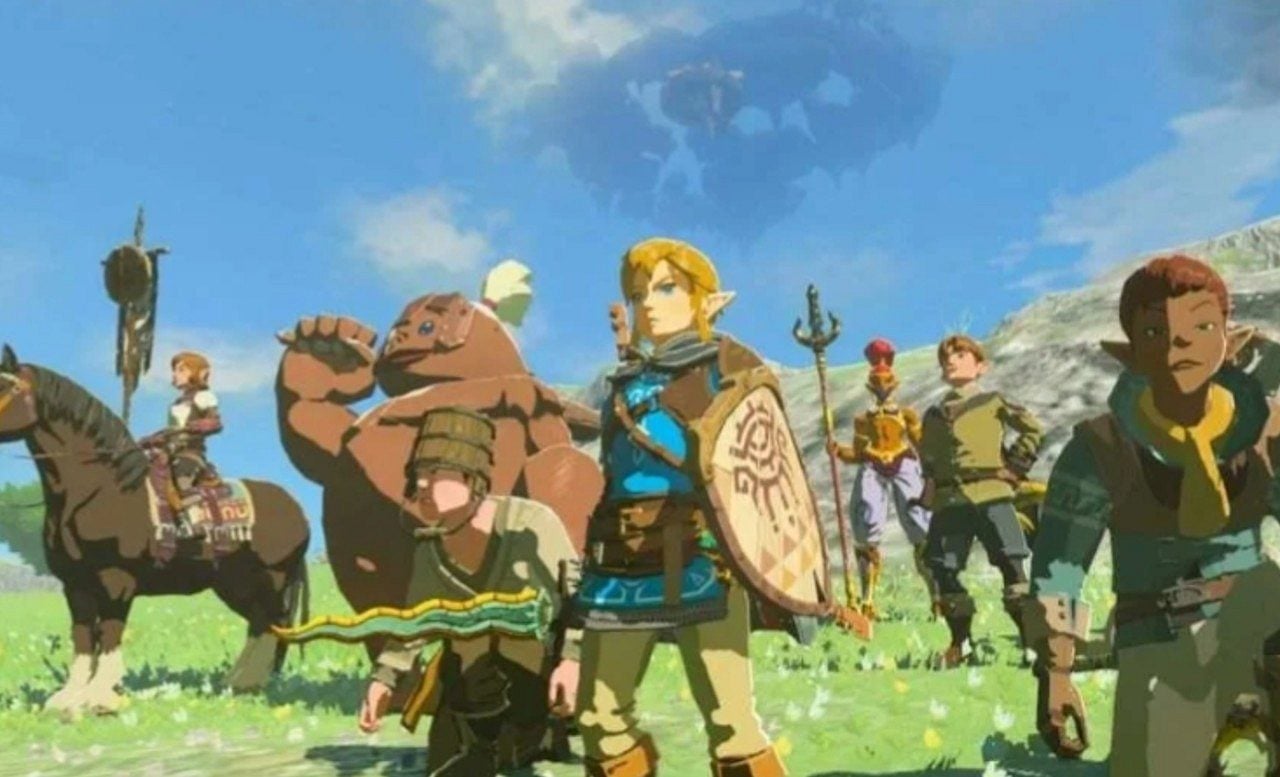
The launch of Breath of the Wild introduced a significant new transformation by adopting an aesthetic inspired by watercolor paintings. The art direction maintained the series’ signature stylization, but incorporated improved lighting and physics details. The vast open world benefited from textures that conveyed a sense of scale and depth. The development team avoided the pursuit of direct photorealism. The visual choice made it easier to identify enemies, resources and points of interest from long distances, integrating the graphic design directly into the gameplay.
The sequel Tears of the Kingdom maintained the same graphical base and expanded the possibilities of interaction with the scenario through new construction mechanics. The visual consistency between the two titles cemented this artistic direction as the hallmark of the hybrid console generation. Nintendo chose a path that did not compete directly with the extreme realism sought by other platforms in the technology market. The strategy resulted in timeless worlds that take longer to show signs of technological aging, ensuring the titles’ relevance years after their original release.
- The cel-shading technique in The Wind Waker ensured expressive animations that withstood the advancement of console generations.
- The titles Breath of the Wild and Tears of the Kingdom prioritized immersion and gameplay fluidity over graphical realism.
- Visual changes to the franchise always operate in conjunction with the introduction of new core gameplay mechanics.
- The strong artistic stylization helps to maintain the fantasy and fairytale tone that characterizes the series’ universe.
- The search for extreme realism would demand more processing resources and make games visually dated in less time.
Capacidade technical new hardware and current debate
The Nintendo Switch 2 promises substantial upgrades in processing power and support for higher image resolutions. The technical specifications fuel speculation about what the visual approach of the next The Legend of Zelda will be. A group of players advocates a return to realistic proportions and the use of advanced lighting systems. Twilight Princess serves as the main reference for this portion of the public. Proponents of this idea argue that modern hardware allows high graphical fidelity to be achieved without compromising the series’ identity.
On the other hand, another part of the community maintains that strong stylization remains the ideal choice to represent the medieval fantasy universe. Users point out that fantastic worlds benefit more from artistic abstraction than from trying to emulate reality accurately. The new console’s additional power could be directed towards improving the frame rate. The density of scenarios and the complexity of physical interactions could also receive improvements. The division of opinion reflects the different ways in which the public relates to the franchise and its multiple incarnations over the decades.
The manufacturer maintains the historical standard of revealing the visual direction of its games only when the core mechanics are fully defined and ready for public demonstration. The absence of official announcements regarding the next main title from The Legend of Zelda to Nintendo Switch 2 keeps the debate active in online communities. The company’s final decision will need to balance the technological innovation provided by the new equipment with the creative essence of the brand. The challenge is to present visuals that justify the hardware transition while preserving the design elements that underpin the franchise’s success in the global digital entertainment market.





