
Russian manufacturer Volga sets price list for new vehicles up to 4.2 million rubles

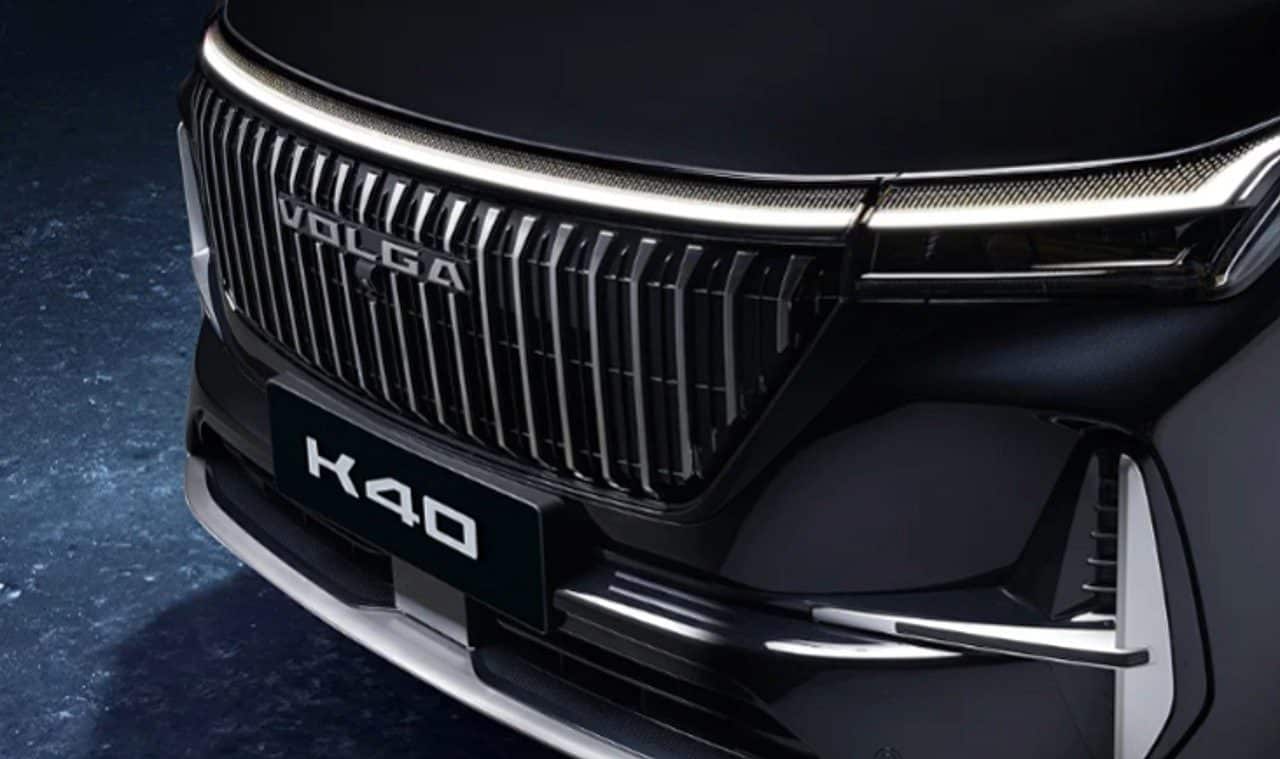
Automotive manufacturer Volga has made the price list official for its new line of revamped vehicles on the Russian market. The K40 crossover, positioned as the entry-level version of the portfolio, arrives at dealerships with a starting price of 2.75 million rubles. At the other end of the commercial table, the top-of-the-line model reaches the 4.2 million rubles mark. Car production takes place at the facilities of Nizhny Novgorod Passenger Cars, a direct subsidiary of GAZ, operating in the former Volkswagen factory located in the city of Nizhny Novgorod.
The automaker’s strategy involves the simultaneous launch of three different models. The catalog ranges from executive sedans to sports utility vehicles with greater cargo and passenger capacity. Todos vehicles were developed using platforms from Chinese manufacturer Geely. The projects underwent specific technical adaptations to support the climatic and road conditions of Rússia. The initiative marks a profound restructuring in the local automotive industry following recent economic and logistical changes in parts supply.
Chinese Arquitetura and vehicle technical specifications
The current portfolio presents the Volga C50 as the brand’s representative in the competitive executive sedan segment. The vehicle shares several structural and technological similarities with the Geely Preface model. The mechanical configuration includes high-efficiency turbocharged engines, state-of-the-art electronic systems and modern automatic transmissions. The set caters to a public profile that prioritizes comfort on long journeys and dynamic performance in daily urban traffic.
In the intermediate category, the Volga K40 crossover uses the structural basis of the Geely Atlas. Analistas from the automotive sector projects that this version will account for the largest portion of the automaker’s sales volume. The expectation is based on the combination of a more affordable initial price and a high level of functionality for family use. The optimized internal space and onboard connectivity features reinforce the commercial appeal of the utility vehicle in the current market for compact and medium-sized SUVs.
The top of the line is occupied by the Volga K50. The sports utility vehicle is built on the sophisticated Geely Monjaro architecture. The vehicle is positioned as a premium alternative, aimed at buyers with greater purchasing power who demand superior finishing and advanced driving assistance technologies. The powertrain of the entire vehicle family maintains contemporary global industry standards. The adoption of turbocharging and precise electronic controls guarantees energy efficiency in line with modern fuel consumption demands.
The Russian consumer market is already familiar with the technical characteristics of the original Geely models. Este factor facilitates acceptance of the new Volga line among potential buyers. The prior reliability of the Chinese platform lowers the barrier to entry for a brand looking to reestablish its presence on the country’s streets.
Estratégia commercial positioning and collateral package
The values announced by the automaker’s management place the new Volga vehicles on a direct collision course with competitors of Asian origin already established in the region. The pricing demonstrates an attempt to quickly capture a significant share of the market. Profissionais from automotive retail indicate that the success of the operation will depend on the ability to deliver a cost-benefit ratio higher than the segment average. Consumers rigorously evaluate the standard equipment package offered in each price range before closing a deal.
Para To mitigate the natural distrust towards newly launched products, the manufacturer has structured a robust consumer protection plan. The stipulated factory warranty reaches a limit of 5 years or 150 thousand kilometers driven, whichever comes first. Este competitive advantage has considerable weight in the purchasing decision process. Extended coverage conveys a clear message of confidence in the durability of the mechanical and electronic components fitted to vehicles.
The quality of the assembly process and the stability of the technical support network emerge as fundamental pillars for customer loyalty. Especialistas in the automotive market point out that the showcase price attracts the initial buyer, but the immediate availability of spare parts guarantees the brand’s long-term survival. The adaptation of the suspension and cooling systems to the harsh Russian winter will also be tested in practice by the first owners over the next few months of continuous use.
Nacionalização Components in Nizhny Novgorod Factory
Choosing the city of Nizhny Novgorod as a production hub represents a logistical and financial advantage for the GAZ subsidiary. The use of the industrial complex that belonged to Volkswagen allows the use of an international standard manufacturing infrastructure. The strategic location facilitates the company’s participation in tax incentive programs and government credit lines aimed at promoting the national automotive industry. State support reduces pressure on cash flow in the first years of operation of the new assembly line.
The current production schedule is in the assembly phase of semi-finished components. The parts arrive imported and receive final assembly on the Russian line. The automaker’s strategic planning foresees a gradual increase in the nationalization rate of parts over the next few quarters. The replacement of external suppliers by local auto parts manufacturers aims to shield the production line against exchange rate fluctuations and international logistical bottlenecks that affect the sector.
The deepening of production integration within Russian territory will dictate the brand’s growth rate. Quanto the greater the percentage of components manufactured locally, the greater the margin of maneuver for possible price adjustments and retail promotions. The factory in Nizhny Novgorod already provides a significant reduction in delivery times for invoiced vehicles. Local operation eliminates the exclusive dependence on long sea and rail routes that impact pure importers of assembled vehicles.
Operational Desafios for corporate image reconstruction
The return of the Volga brand to the market requires a massive commercial structuring effort. The company needs to rebuild its reputation after a long period of absence from dealerships. Consultores automotive classifies the relaunch not as a nostalgic revival of the classic Soviet vehicle, but as a pragmatic response to the new reality of vehicle supply in the region. The technology partnership with Geely provides the engineering foundation necessary to accelerate product development.
The consolidation of the industrial and commercial project depends on overcoming practical obstacles in the short and medium term. The automaker’s management monitors performance indicators on several fronts. The main points of attention for business sustainability include:
- Validação continuous build quality compared to established brands.
- Expansão of the dealership network to ensure coverage in after-sales service.
- Monitoramento of vehicle behavior under extreme weather and road conditions.
- Treinamento constant technician of the mechanical teams to deal with the new electronic architecture.
- Construção has a positive reputation based on the reports and experiences of first buyers.
The consumer public’s perception of value will be shaped gradually and organically. Owners of the first batches of the K40, K50 and C50 models will act as the main bellwethers for future sales. Strict adherence to warranty policies and transparency in periodic review services have the potential to establish a solid customer base. The manufacturer is betting that the combination of modern technology, local production and prices aligned with economic reality will attract a significant number of drivers willing to purchase the new SUVs and sedans.



