
Second full phase of the natural satellite reaches its peak in the early hours of Sunday across the country

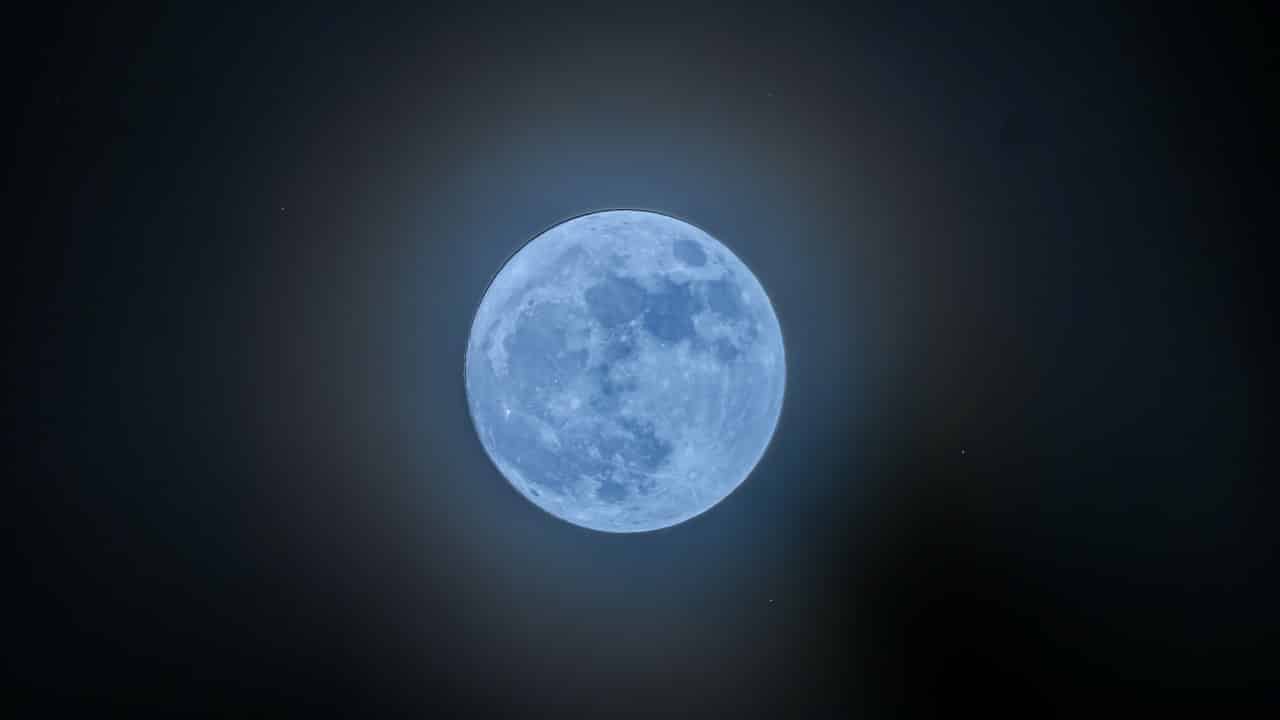
The second full phase of the Terra natural satellite takes place in the early hours of this Sunday, May 31st. The astronomical event marks the second occurrence of its kind within the same month of the Gregorian calendar. The situation generates the phenomenon popularly known as Lua Azul. Observadores from different regions of the country will be able to follow celestial movements. Viewing success depends on local weather conditions. The satellite reaches its maximum illumination point during the night. The date closes the cycle of space observations for the month of May 2026.
The complete lunar cycle lasts exactly 29.5 days. Esse time interval is shorter than the average of conventional months. The mathematical difference makes it possible for two complete cycles to occur within a space of 30 or 31 days. The first full phase occurred in the early days of the month. The current calendar provided the time needed to complete a new illuminated orbit. The translational movement of the celestial body around Terra dictates this rhythm. Astrônomos monitor this progression daily.
Definição technique established by the space agency
The nomenclature of the phenomenon is not related to changes in the color of the celestial body. The natural satellite maintains its traditional whitish and silver glow throughout its nighttime trajectory. Administração Nacional of Aeronáutica and Espaço of Estados Unidos (Nasa) classifies the term only as a temporal marker. The space agency uses the expression to catalog the repetition of the full phase within a 30-day period. Confusion with the real color often occurs. Observadores amateurs often look for a non-existent bluish tone. The composition of lunar soil always reflects sunlight in the same way.
Orbital dynamics require a specific alignment in the solar system. The Terra is positioned exactly between the Sol and the Lua during the full phase. Toda the side of the satellite facing the planet receives direct sunlight. The second monthly occurrence strictly repeats the same physical and optical characteristics as the first. The celestial body does not undergo any structural or atmospheric changes. The absence of atmosphere in the Lua prevents light from refracting into different colors. The intense glow dominates the night sky.
Frequência and Gregorian calendar calculation
The astronomical event records an irregular periodicity in the solar system. The phenomenon repeats at intervals of two to three years. Orbital tracking data confirms this time window. The rarity arises from the mathematical misalignment between the phases of the moon and the human timekeeping system. The 28, 30 and 31 day months do not synchronize exactly with the 29.5 day cycle. Alguns annual periods do not provide the required time window. Double occurrence requires a precise date match.
The terrestrial solar year is approximately 365.25 days long. The natural satellite needs 354 days to complete 12 cycles of full phases. Essa 11-day discrepancy accumulates annually in the civil calendar. The accumulation creates the need for a thirteenth lunar cycle every 30 months, on average. Orbital mathematics explains the reason for the wait. Older Culturas used these variations to adjust their own timing methods. The modern Gregorian calendar absorbs these astronomical differences without altering its civil structure.
Registros historical and time measurement
The phenomenon has intrigued sky scholars for several centuries. The relative rarity of the event ensured prominence in the historical records of multiple civilizations. Ancient Sociedades recognized the irregular pattern of monthly lunar phases. Esses people have developed complex measurement systems based on night observation. Agriculture and navigation depended directly on the correct reading of the stars. The identification of an extra full phase in the month required adaptations in rituals and harvests. Early astronomical knowledge formed the basis of today’s science.
Modern astronomy uses the event to demonstrate the limitations of the human calendar. The civil construction of time seeks to organize society, but does not reflect the mechanical precision of the universe. The fundamental discrepancy between solar and lunar cycles generates mathematical anomalies. The periodic reappearance of the second full phase illustrates this asymmetry. Pesquisadores from space institutes document each occurrence to update orbital databases. Rigorous cataloging makes it possible to predict upcoming events decades in advance. The calculations consider even the smallest gravitational variations in the solar system.
Recomendações practices for night viewing
The quality of observation directly depends on atmospheric and geographic factors. Instituto Nacional of Meteorologia (Inmet) monitors the formation of clouds in different regions of the country. Dense Nuvens, excess moisture in the atmosphere and light pollution reduce the clarity of the celestial body. Especialistas in astronomy indicate specific protocols to optimize the visual experience. The preparation of the observation site influences the final result. Prior planning avoids frustrations during the early hours of the morning.
- Buscar areas far from large urban centers and artificial lighting sources.
- Evitar regions with high levels of light pollution from streetlights and buildings.
- Consultar weather reports updated hours before the start of the observation.
- Considerar the relative air humidity rate, which acts as a visual filter in the atmosphere.
- Priorizar the time range between midnight and the moments before dawn.
Monitoring the phenomenon does not require the use of professional optical equipment. The naked eye easily captures the satellite’s luminosity and contour. Telescópios and astronomical binoculars are only for magnifying surface details. The instruments reveal craters, basalt plains and lunar mountain ranges. The absence of these resources does not prevent the full visualization of the celestial event. Public Observatórios usually opens its doors during these dates. The practice brings the population closer to astronomical science.
Impacto of the climate in different Brazilian regions
Moradores from rural areas and inland cities find natural advantages for astronomical observation. Low interference from artificial lights creates ideal contrast in the night sky. Parques states, mountains and isolated coastal regions serve as privileged observation points. The satellite’s brightness reflects more intensely in dark environments. The choice of geographic point determines the clarity of the image captured by the observer. Adapting human vision to the dark takes about twenty minutes. Moving away from cell phone screens improves light perception.
The dynamics of air masses over the national territory defines visibility in each state. Frentes cold areas and areas of climate instability block the passage of lunar light. Continuous monitoring of weather radars guides amateur astronomy groups. The partial observation occurs even when thin cirrus clouds cross the front of the satellite. Light can pass through thinner layers of water vapor. The astronomical event closes the lunar calendar for the month of May 2026. The next identical configuration will require years of waiting.





