
Xiaomi Poco X8 Pro surpasses Motorola Edge 70 Pro with lower price and focus on games in Brazil


The Brazilian smartphone market in 2026 presents a fierce competition in the premium intermediary segment. The Xiaomi Poco X8 Pro and Motorola Edge 70 Pro devices lead the searches of consumers who demand high performance. Ambos devices share robust technical specifications such as the MediaTek Dimensity 8500 processor and 6,500 mAh batteries. The AMOLED screen with a refresh rate of 120 Hz is also present in both models.
Apesar of the similarities in the main hardware, the manufacturers adopted different commercial strategies to attract the public. The Xiaomi device focuses on raw power for electronic games and aggressive retail pricing. Motorola’s competitor seeks to deliver a balanced package between photography and external finishing. A detailed analysis reveals scenarios where the Chinese model presents practical superiority.
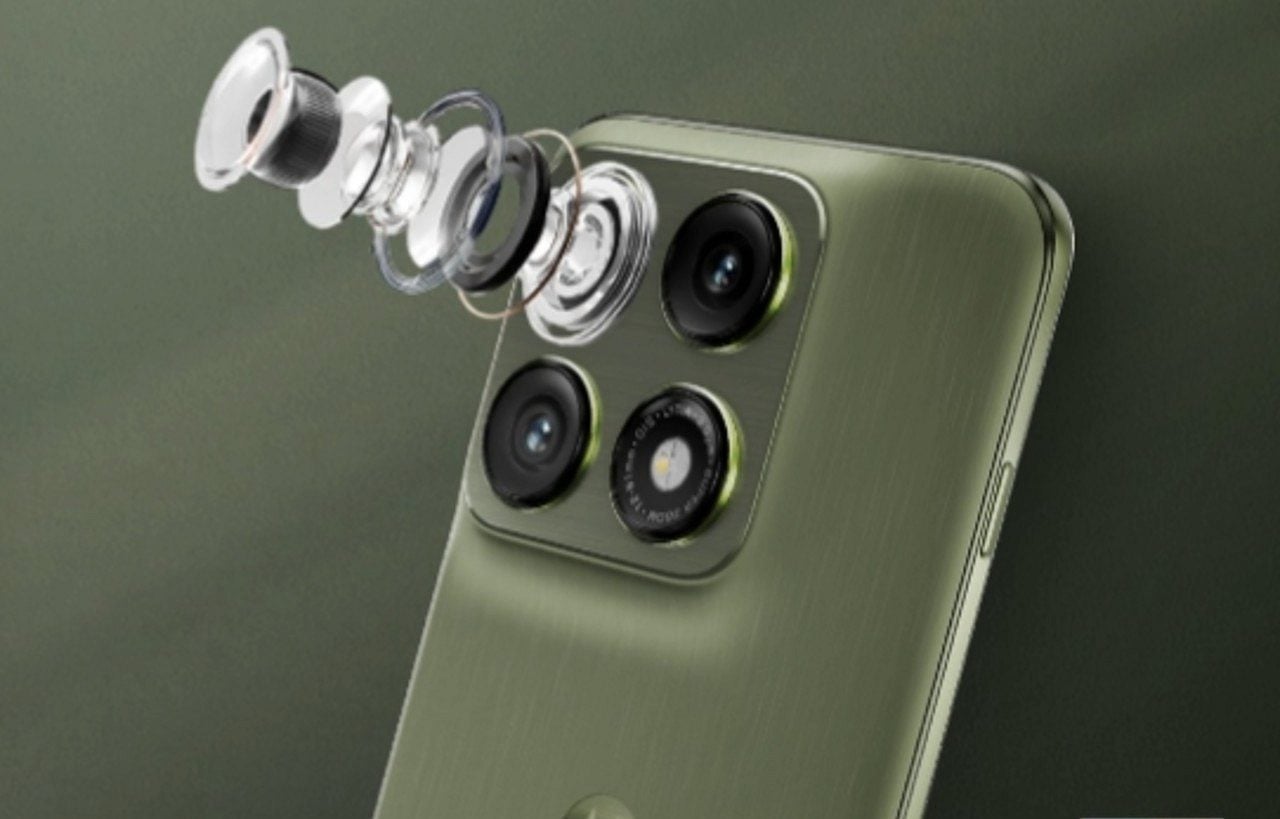
Sistema advanced thermal ensures gaming stability
The two cell phones use the same MediaTek chipset, with identical central processing and graphics architectures. The Poco X8 Pro adopts the “Ultra” naming for the component, while the Motorola Edge 70 Pro uses the “Extreme” label. The real difference in performance occurs in internal temperature management. The cooling system defines the device’s ability to maintain maximum performance without crashes.
Xiaomi has implemented dual-layer POCO 3D Ice Loop technology on its device. Esta vapor chamber has a total area of 5,300 mm², designed to dissipate heat generated by heavy applications. The component offers around 7 cm² more cooling surface compared to the system integrated into the Motorola cell phone. Hardware temperature remains controlled even after hours of intense use.
The Chinese device’s software includes the Wild Boost tool for graphics optimization. The feature intelligently scales images rendered in Full HD resolution to the display’s native aspect ratio. The technology increases the frame rate per second without requiring additional effort from the graphics processing unit. Competitive Jogadores experience greater fluidity during online matches.
Velocidade charging and battery life
Energy autonomy represents a decisive factor when choosing a modern smartphone. The two models tested deliver batteries with a capacity of 6,500 mAh, combined with processors manufactured using 4 nanometer lithography. The energy efficiency of this generation of chips guarantees reduced consumption during everyday tasks. Testes continuous use demonstrates very similar results among competitors.
The devices achieve an average of seven hours of active screen time under demanding usage conditions. The cycle includes playing high definition videos, browsing social networks and playing three-dimensional games. The battery life perfectly meets the demands of a full day of work or studies. The average user will not need to plug their cell phone into the socket before nighttime.
The advantage of the Poco X8 Pro appears at the time of energy replenishment. The device supports wall adapters with a power of 100 W. The Motorola Edge 70 Pro limits the charging input to 90 W. The 10 W difference reduces the total time that the Xiaomi device needs to be connected to the power cable. Practicality benefits consumers with dynamic routines who only have a few minutes to recharge their cell phones.
Diferença price reaches two thousand reais at retail
The price positioning in the Brazilian market highlights the commercial aggressiveness of the Xiaomi in 2026. The Poco X8 Pro arrived in the country in March with a suggested price of R$6,999. The Motorola Edge 70 Pro hit stores in May, costing between R$4,499 and R$5,999, depending on the amount of memory. The scenario changed quickly in the months following the official launch.
National e-commerce records a sharp drop in the value of Chinese smartphones. The availability of global versions on marketplace platforms drove price reductions. The device is currently sold for R$2,299 at major online retailers. The significant discount turns the device into a highly attractive option for the consumer.
Motorola’s competitor maintains greater stability in its price list. The cell phone can be found for R$4,499 in the country’s main online stores. The financial difference between the two models reaches almost R$2,200. The amount saved when purchasing the Xiaomi device allows you to purchase premium accessories, such as wireless headphones or smart watches.
Ergonomia, compact design and system longevity
The industry trend points towards the manufacture of increasingly wider screens. The Poco X8 Pro takes an alternative route by offering a 6.59-inch panel. The device’s chassis measures 157.53 millimeters in height, resulting in a more compact format. The Motorola Edge 70 Pro features a 6.8-inch display and a 5.17mm taller body.
The physical structure of the Chinese cell phone brings practical benefits for daily usability. Operating the operating system with just one hand is more natural and safer. Carrying the device in trouser pockets or small bag compartments is also made easier. The metal construction provides resistance against accidental impacts and twists.
Raw hardware performance can be measured by industry-recognized benchmark applications. The Xiaomi smartphone registers significant marks that prove its long-term processing capacity. The numbers reflect the optimization between the physical components and the embedded software.
- The device reaches the mark of 1,980,087 points on the AnTuTu testing platform.
- The battery supports more than 10 hours of uninterrupted running of heavy games.
- The Android 16 operating system is factory installed with a customized interface.
- The manufacturer guarantees software updates until the arrival of the Android 20.
Extended update support represents an important differentiator for information security. The user receives vulnerability fix packages and new visuals for four years. The longevity of the operating system prevents early planned obsolescence of the equipment. The financial investment in the smartphone is diluted over the period of use guaranteed by the brand.
The choice between the two premium intermediaries depends directly on the consumer’s usage profile. The Poco X8 Pro consolidates its position as the alternative for those who prioritize speed, efficient cooling and financial savings at the time of purchase. The mobile technology market in 2026 demonstrates that high-end specifications are increasingly accessible outside the super premium handset segment.



