
Astronomical phenomenon unites Blue Moon and Micromoon in the night sky during the night of May 31

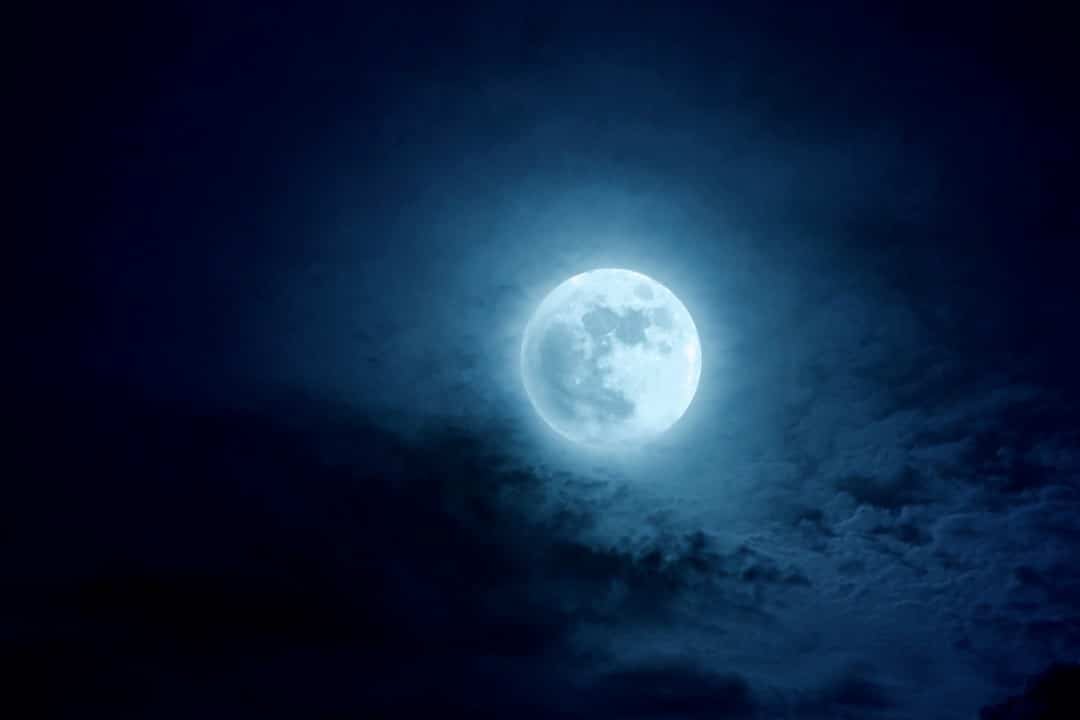
The astronomical calendar for May 2026 ends the month with the simultaneous occurrence of two celestial events on the night of the 31st. The natural satellite of Terra will reach the full phase for the second time within the same month, configuring the call Lua Azul. The celestial body will also be positioned at its furthest point in orbit from the planet. Essa specific condition of maximum clearance receives the technical classification of Microlua.
The combination of these orbital factors generates an unusual observation scenario for astronomers and researchers. The professor and astronomer of Universidade Federal from Itajubá (UNIFEI), Gabriel Hickel, follows the trajectory of the satellite and the variables of the event. The occurrence of two full moons in a single monthly interval occurs within a window of two to three years. The alignment with the lunar apogee makes the date even more specific in the astronomical mapping of 2026.
Mecânica orbital explains occurrence of the second full phase in May
The complete cycle of lunar phases requires an approximate period of 29.5 days to complete. The Gregorian calendar, used worldwide, structures months with durations that vary between 28 and 31 days. Essa mathematical difference creates the possibility of a single month housing the beginning and end of a complete lunar cycle. The phenomenon directly depends on the exact day on which the first full phase appears in the night sky.
The month of May 2026 registered its first full phase in the early days. The remaining time interval allowed the completion of the synodic orbit before the turn of June. The term Lua Azul has no relation to the real color of the natural satellite. Trata is simply a historical nomenclature adopted to designate this anomaly of the civil calendar in relation to the traditional lunar calendar.
Lunar Apogeu sets maximum distance from planet Terra
The orbit of Lua around Terra has an elliptical shape, not perfectly circular. Essa geometric characteristic causes the distance between the two celestial bodies to vary constantly over the days and weeks. The point of closest approach is called perigee, resulting in the popular Superlua. The point of greatest orbital separation is scientifically called apogee. The coincidence of the full phase with the apogee characterizes Microlua.
Durante at its peak, the natural satellite can be more than 405 thousand kilometers away from the Earth’s surface. The conventional average distance is usually around 384 thousand kilometers. The extra distance reduces the apparent size of the lunar disk in the night sky by about 14% when compared to perigee. The luminosity reflected by the satellite’s surface also undergoes a noticeable reduction to terrestrial observers during this specific phase.
Estrela Antares in the Escorpião constellation composes the visual scene
The event on May 31, 2026 gains an additional visual element in the sky. The natural satellite will make its apparent trajectory in the night sky in close proximity to Antares. The reddish celestial body represents the brightest star in the Escorpião constellation. The visual magnitude of Antares places it among the most luminous stars observable with the naked eye from the surface of Terra.
The reddish color of the supergiant star creates a direct contrast with the silvery light reflected by the lunar surface. Antares has a diameter hundreds of times larger than that of Sol and is in the final phase of its stellar evolution. The apparent conjunction between Lua and the star serves as a practical reference point for locating the Escorpião constellation during nighttime astronomical observation.
Recomendações techniques guide observation and photographic recording
Viewing the phenomenon does not require the use of professional optical equipment such as telescopes or long-range binoculars. The naked eye perfectly captures the full phase and the presence of the star Antares nearby. The moment of birth of Lua, scheduled for May 30th, provides the most favorable initial conditions for observation. The satellite’s setting, during the late morning, marks the instant of closest apparent approach to the reddish star.
- Choosing locations with a completely unobstructed eastern horizon makes it easier to see the natural satellite rising.
- Manually adjusting light exposure on smartphone cameras prevents the lunar disk from appearing as just a white dot without detail.
- The photographic composition gains quality when it includes terrestrial elements such as trees, buildings or mountains in the foreground.
- The lunar illusion works on the human brain and makes the satellite appear significantly larger when it is close to the horizon.
The aforementioned optical illusion occurs due to the way the human visual system processes relative distances and sizes. Quando the satellite rises to the zenith, the highest point in the sky, the absence of terrestrial references undoes the perception of magnification. The use of tripods ensures the stability necessary for long exposure night photography. Light pollution from large urban centers reduces the contrast of the sky, but does not prevent the visualization of the full phase.
Ciclos astronomical and civil calendar determine rarity of the event
The exact synchronization between the second full phase of the month and the orbital apogee requires a precise and unusual mathematical combination. The Gregorian calendar, established in the 16th century, does not follow the lunar phases symmetrically. Ancient civilizations based their time counts exclusively on the cycles of the natural satellite. The adoption of the solar calendar generated the lags that result in readjustment events such as Lua Azul.
Monitoring these events mobilizes astronomy departments and research institutions across the country. Observing the night sky encourages practical understanding of celestial mechanics and the orbital movements of the solar system. Amateur photographic recording contributes to the documentation of the event and moves astrophotography communities. The May 2026 sky offers a viewing opportunity that unites orbital factors, civil calendar, and stellar positioning into a single night of direct observation.



