
Muslims celebrate Eid al-Adha in 27 countries across religious traditions and conflict zones

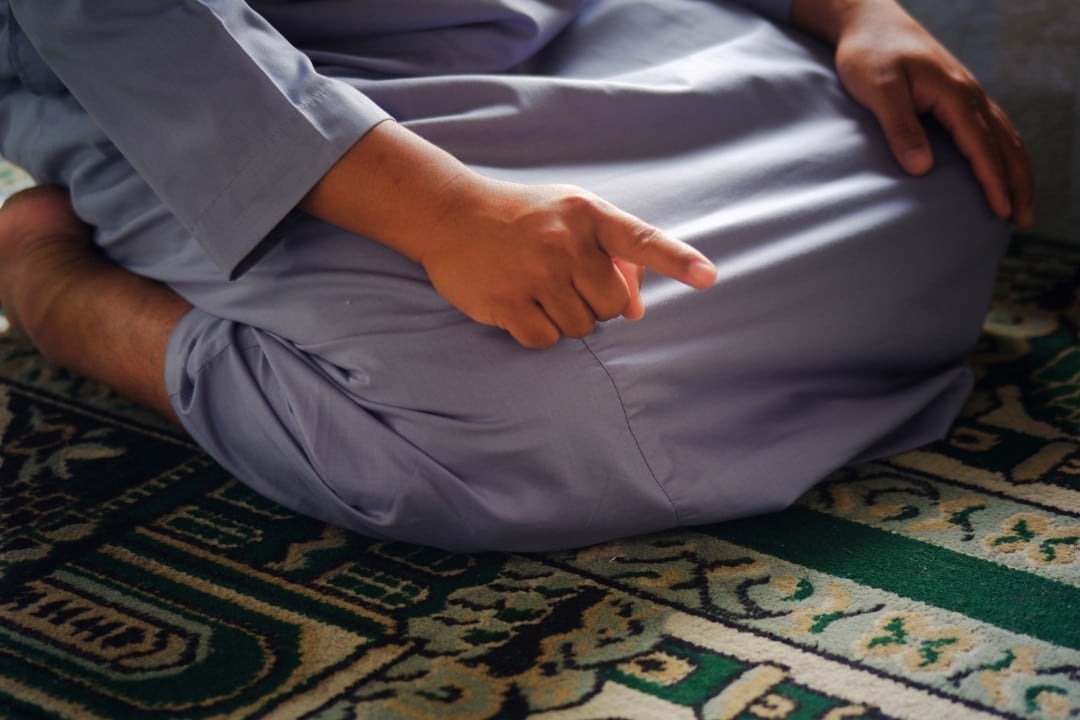
Milhões of Muslims around the world began the celebrations of Eid al-Adha this Wednesday, May 27, 2026. The holy date, recognized as one of the most important in the Islamic calendar, brought together faithful in mosques, public squares and streets in at least 27 countries for the morning prayers that mark the tenth day of the month of Dhu al-Hijjah. The event mobilizes crowds annually and requires extensive organizational schemes in large urban centers.
The religious event coincides with the culmination of the annual Hajj pilgrimage, held in the city of Meca, in Arábia Saudita. Global festivities transcend geographic borders and cultural differences. The celebration unites communities from Western metropolises, such as Nova York, to regions severely affected by armed conflicts, demonstrating the preservation of the centuries-old traditions of the Islamic faith in different social and political contexts.
The historical and religious significance of Eid al-Adha
The Eid al-Adha, often translated as the Festa of the Sacrifício, carries deep theological weight for followers of Islam. The date recalls the obedience narrative of the prophet Ibrahim. Segundo tradition, he demonstrated a willingness to sacrifice his own son in submission to a divine order, before the deity provided a ram to replace him on the altar. Este act of absolute faith underlies the rituals practiced annually by Muslims across the planet.
Durante the days of celebration, which can last up to four days depending on the region and local customs, the faithful carry out the ritualistic slaughter of animals permitted by the religion. The most common species include sheep, goats, cows and camels. Practice requires that the meat resulting from the sacrifice be strictly divided into three equal parts. A portion is intended for the family’s own consumption. The second is distributed among relatives and close friends. The third fraction must be donated to people in situations of social vulnerability and extreme poverty.
The distribution of food reinforces the principles of charity and social solidarity inherent to the Islamic religion. The obligation to support the less fortunate ensures that the entire community can participate in festive meals, regardless of their current financial condition. The sacrificial ritual takes place shortly after congregational prayers held in the early hours of the morning, bringing together crowds dressed in their best clothes to mark the official start of the festivities period.
Celebrações and rituals around the world
The manifestations of Eid al-Adha take on their own characteristics depending on the location, although they maintain the essence of the original rituals. Relatos photographs and documents from international agencies recorded the diversity of congregations on different continents. Urban logistics are frequently changed to accommodate the volume of practitioners on the streets.
The observance of the sacred date mobilized populations in different urban and rural contexts, with specific logistical adaptations for each nation:
- No Paquistão, the faithful purchased goats and sheep in large open-air markets set up exclusively for the period of ritual sacrifice.
- Na Indonésia, Muslim women organized prayer lines in streets and alleys of the capital due to the maximum capacity of central mosques.
- Na Malásia, children waited outside religious complexes while their parents participated in morning prayers led by local leaders.
- Na Rússia, one of the main avenues in the capital Moscou was taken over by thousands of Islamic practitioners for collective open-air prayers.
- Nos Estados Unidos, the Islamic community of Nova York also gathered in designated public spaces to safely mark the start of the festival.
The adaptive capacity of Islamic communities reflects the global expansion of the religion and the need for adequate infrastructure. In countries where Muslims represent demographic minorities, local authorities often implement special traffic and security schemes. The objective is to accommodate the large flow of people in the vicinity of Islamic centers, avoiding interruptions to essential city services during the religious holiday.
Tradições marked by conflicts and resilience
Apesar of the festive character, the Eid al-Adha of 2026 took place under the shadow of geopolitical tensions and chronic humanitarian crises in different parts of the globe. Na Faixa of Gaza, Palestinians held morning prayers amid the rubble of buildings destroyed by military strikes by Israel. The families gathered in the ruins of Khan Younis’s city. Residents adapted religious rituals to the reality of war, facing the scarcity of basic resources and the absence of animals for traditional sacrifice.
The vulnerable situation also marked celebrations on the African continent, requiring strict security protocols. Na República Democrática of Congo, residents of the Beni region organized prayers near a local school. The area faces constant threats and episodes of violence perpetrated by armed rebel groups. The scenario requires extreme caution on the part of the civilian population, even during times of peaceful religious congregation.
No Líbano, the climate of instability on the country’s southern border directly influenced the tone of the ceremonies. Durante prayers in the capital Beirute and in other Lebanese cities, religious leaders and believers dedicated part of the prayers to local fighters and victims of recent clashes. The intersection between faith and the reality of armed conflicts highlights how religious practices serve as a mechanism of social cohesion. Prayers function as psychological support for populations subjected to continuous trauma in war zones.
The culmination of Hajj’s pilgrimage in Meca
Eid al-Adha is intrinsically linked to Hajj, the annual pilgrimage to the holy city of Meca, located in the territory of Arábia Saudita. Hajj constitutes one of the five fundamental pillars of Islam. It is a religious obligation for every adult Muslim who has the physical and financial conditions to undertake the journey at least once in their life. The tenth day of Dhu al-Hijjah marks the exact moment when pilgrims complete the most exhausting and complex rituals of the sacred journey.
Durante the period of pilgrimage, millions of faithful from all parts of the world converge on the holy sites of Islam. The Arábia Saudita government mobilizes a massive security, medical care and transport logistics infrastructure to manage the massive flow of people. Rituals include a circular walk around Caaba, the cubic structure situated in the center of Grande Mesquita. The faithful also spend time at Monte Arafat, where they dedicate an entire day to continuous prayer and deep spiritual reflection.
The completion of Hajj coincides exactly with the global start of Eid al-Adha. Enquanto the pilgrims in Meca perform animal sacrifice as a final part of their purification rituals, the rest of the Islamic world follows the practice simultaneously in their respective countries. Esta temporal synchrony reinforces the Muslim community’s sense of global unity. The ritual connects the faithful who are in their hometowns to those who fulfill their sacred duty in the historical cradle of the religion, keeping alive a tradition that spans centuries of history.





