
Pancreatic tumor affects 10,980 Brazilians per year and late diagnosis reduces chances of cure

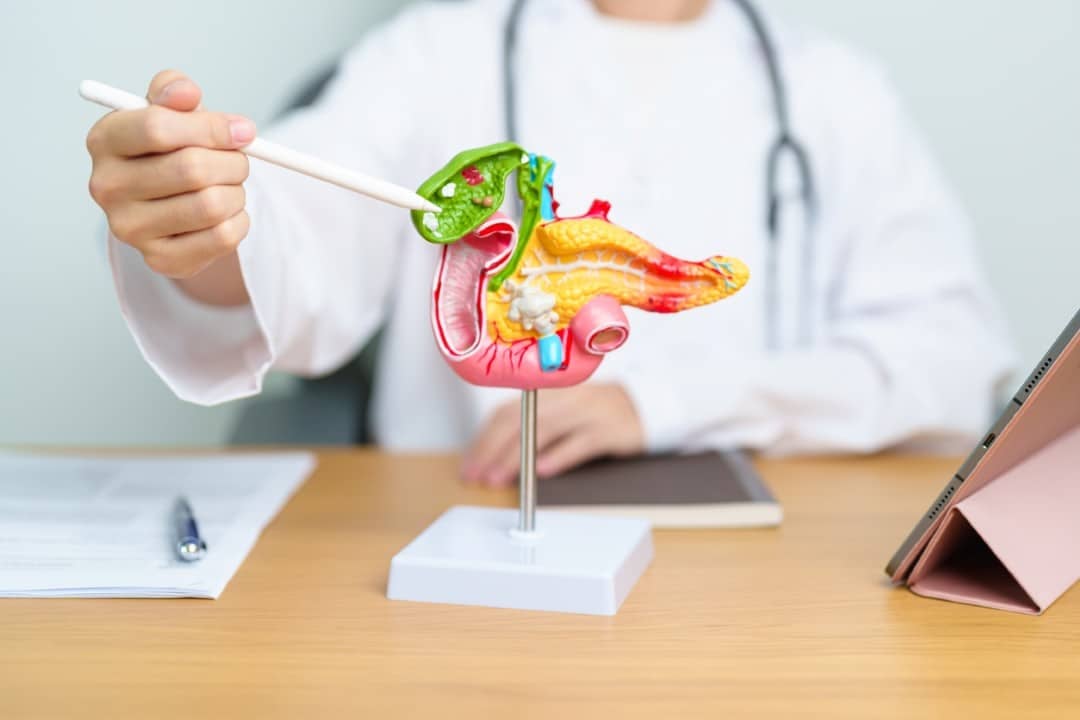
Pancreatic cancer records about 10,980 new cases annually in Brasil. The data belongs to Instituto Nacional of Câncer (INCA). The disease represents 4% of oncological deaths in the country. The absence of clear symptoms in the early stages makes early detection difficult. The tumor has a silent nature.
Entre 70% and 80% of patients receive the diagnosis when the mass has already spread to other organs. The recent case of chef Edu Guedes illustrates the behavior of pathology. Ele underwent surgery after an incidental discovery during a kidney crisis. The location of the organ, deep in the abdomen, prevents routine preventive exams from being carried out. Medicine seeks continuous advances to address the lethality of the condition.
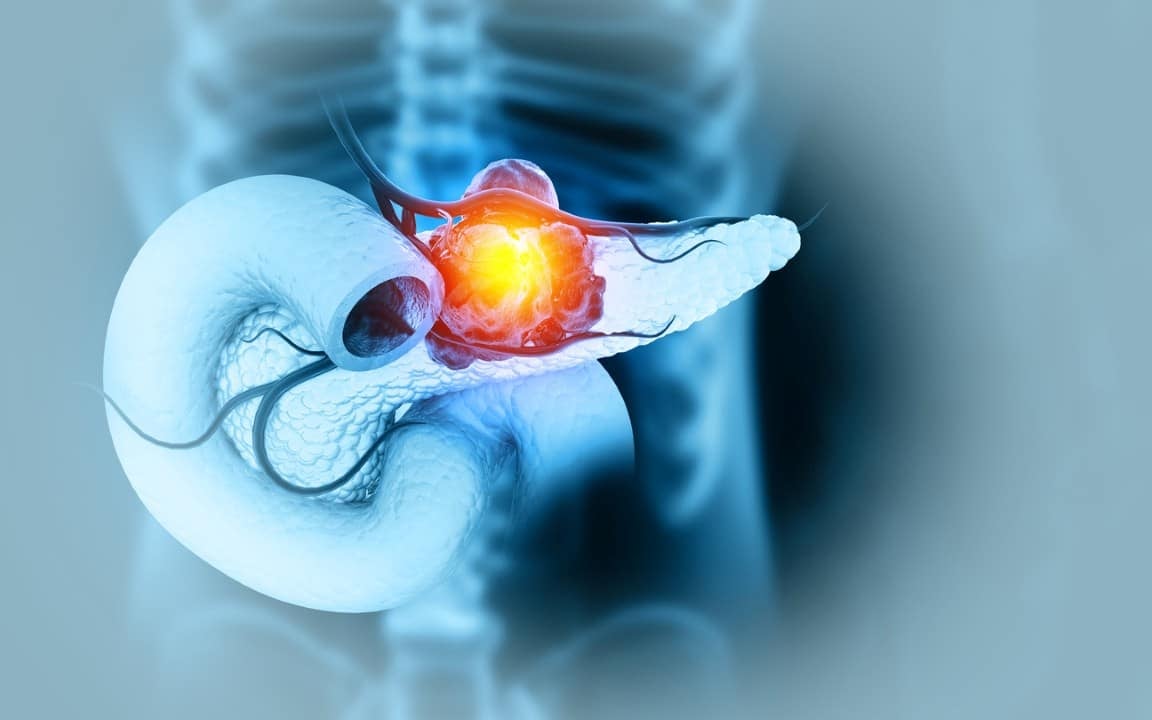
Aggressive Biologia and rapid spread make treatment difficult
Adenocarcinoma is the most common type of the disease. The format corresponds to 90% of incidents recorded in hospitals. Esse tumor originates in exocrine glandular cells. Cancer cells multiply at high speed. Elas invade blood vessels and nearby tissues with extreme ease.
Oncologist Mariana Bruna Siqueira, from Oncologia D’Or, explains the complexity of the condition. Small Tumores can already compromise the patient’s vital structures. The fibrous texture of the dough creates a physical barrier. Essa characteristic reduces the penetration and efficacy of traditional chemotherapy. Treatment faces obstacles from the first sessions.
Spread to the liver occurs in up to 50% of cases at the time of medical evaluation. The lack of specific screening methods delays the initiation of the therapeutic protocol. Mammography works to prevent breast cancer, but there is no equivalent for the pancreas. Computed tomography and magnetic resonance imaging come into play only after clinical suspicion. Os Estados Unidos project 64,050 new cases annually in the coming decades.
Risk Fatores involves lifestyle and genetic mutations
External Elementos and pre-existing conditions increase the likelihood of developing the disease. Smoking stands out as the main preventable factor. Regular Fumantes are three times more likely to develop the tumor. Obesity also raises statistics in the healthcare system. The risk increases considerably when associated with type 2 diabetes.
Estudos indicate that 88% of patients are diagnosed with diabetes in the 24 months prior to oncological discovery. Prolonged exposure to chemicals affects workers in specific industries. Solventes and pesticides are on the list of harmful agents. The oil sector records an incidence higher than the national average.
- Active or passive Tabagismo with direct impact on cellular mutation.
- Obesidade associated with a sedentary lifestyle and the consumption of ultra-processed foods.
- Diabetes type 2 of sudden onset in adult patients.
- Chronic Pancreatite that generates prolonged inflammation in the pancreatic tissue.
- Familial Histórico and genetic mutations in the BRCA1 and BRCA2 genes.
Genetic syndromes account for 10% to 15% of records. Pessoas with these hereditary characteristics require close medical monitoring. Peutz-Jeghers syndrome exemplifies this genetic predisposition. Imaging should begin at age 40 for this specific group. Adopting healthy habits acts as a general protective measure.
Nonspecific Sinais delays identification of the clinical picture
The manifestations of the disease confuse patients and healthcare professionals. Jaundice appears very frequently in offices. The sign is characterized by a yellowish color on the skin and eyes. The symptom occurs when tumors in the head of the pancreas obstruct the bile duct. Essa region concentrates 80% of total diagnoses.
Abdominal or back Dor is part of the initial clinical picture. Unexplained weight loss and lack of appetite accompany the growth of mass. Dark urine and light or oily feces indicate the accumulation of bilirubin in the body. Itchy skin appears as a direct consequence of this liver change. The tumor can destroy insulin-producing cells in rare situations.
Tumores located in the body or tail of the organ remain asymptomatic for long periods. Manifestations emerge only in advanced stages of dissemination. Blood testing for the CA19-9 tumor marker assists in clinical investigation. The test does not deliver conclusive results alone. Cerca 15% of patients do not have high levels of the substance. Endoscopic ultrasound biopsy confirms the definitive diagnosis.
Surgical Intervenção and new therapeutic approaches
The therapeutic approach depends on the stage of the disease and the individual’s general health. The Whipple procedure offers the only real healing potential. Surgery works to remove tumors in the head of the pancreas. Apenas 20% of patients meet the eligibility criteria for the intervention. Prior dissemination makes the operation unfeasible in most cases.
Minimally invasive Técnicas reduces postoperative complications. Robotic surgery is gaining ground in large medical centers. Hospital Israelita Albert Einstein performed the successful procedure on Edu Guedes recently. Musician Tony Bellotto also identified the disease during routine exams. The cases reinforce the importance of medical monitoring after the age of 50.
Neoadjuvant chemotherapy shows benefits in borderline cases. Treatment takes place before the main surgical intervention. The strategy increases the chances of complete resection of the tumor. Palliative care guarantees pain relief in advanced stages. Nerve blocks improve quality of life during cancer treatment.
Ensaios clinicians in Estados Unidos and Europa test targeted therapies and immunotherapy. Genetic mapping identifies specific mutations to direct the use of new medicines. The five-year survival rate remains in the 10% range. The scenario requires continuous investments in scientific research. Entidades like Instituto Vencer and Câncer promote awareness campaigns to alert the population about silent signals.





