
Renderings reveal design of the new ultra foldable iPhone with 5,800 mAh battery on the market

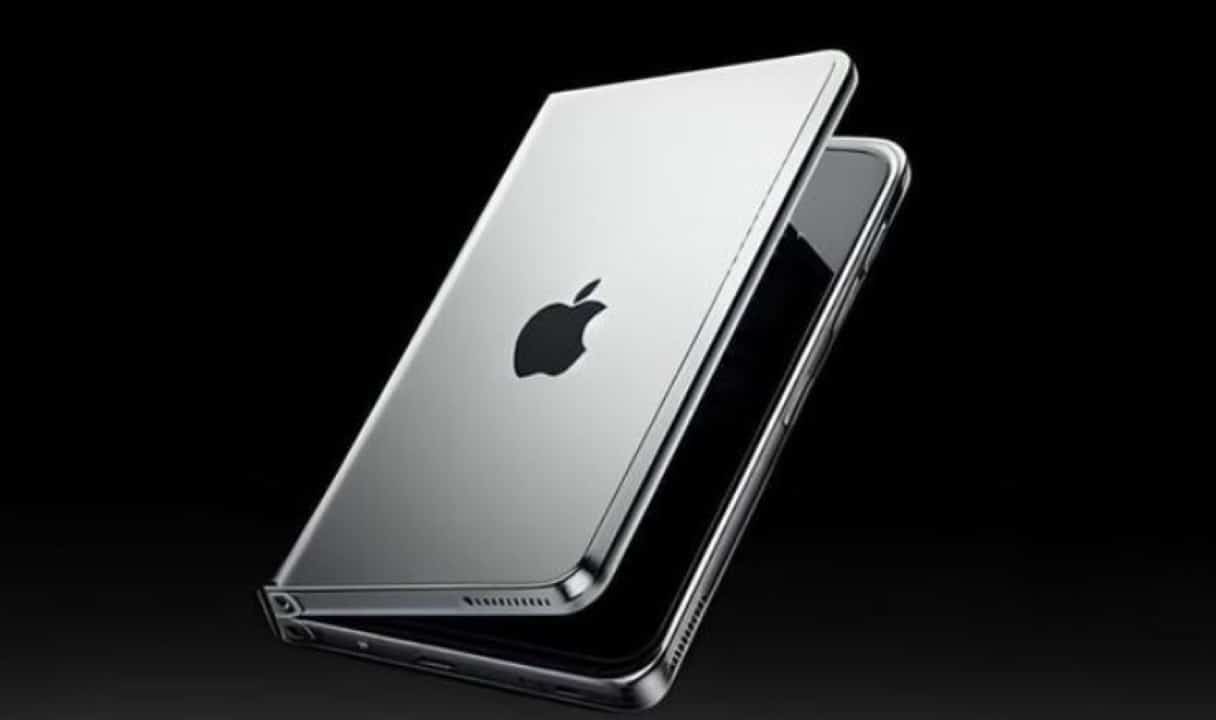
A recent video posted on YouTube featured 3D renderings that detail the possible design of Apple’s first foldable smartphone. The device, tentatively called the iPhone Ultra, sports advanced specifications including a 5,800 mAh battery and an ultra-thin body. The computer-generated images are based on leaked industrial schematics of Asian assembly lines. The project demonstrates the manufacturer’s intention to enter the segment of devices with flexible screens.
The leak indicates that the North American company plans to compete directly with already established brands in this specific mobile phone niche. Analistas from the technology sector follows movements in the supply chain, which point to an advanced phase of prototype testing. The model combines visual elements from the brand’s current generations of cell phones with new mechanical articulation technologies. The introduction of an unprecedented format requires profound adaptations to the internal architecture of the electronic components.

Dimensões chassis physics and construction materials
The images released show equipment with a thickness of 9.5 millimeters when it is fully closed. The number represents a competitive mark compared to other foldable models available on electronics store shelves. Quando the user opens the device, the panel reaches a thickness of just 4.5 millimeters. Product engineering prioritizes portability without compromising the space needed to cool internal parts.
The design uses an aerospace-grade titanium alloy in the construction of the entire external structure. The choice of this specific material aims to guarantee resistance against torsion while maintaining the total weight of the device at comfortable levels for daily handling. The metallic finish follows the aesthetic standard adopted in the more expensive versions of the company’s conventional phones. Chassis durability is a critical factor for devices that have moving parts.
The rear camera module houses a main sensor with a resolution of 48 megapixels. The wide-angle lens promises high definition captures, in line with the photographic standard already offered by the brand’s professional line. The optical assembly occupies an optimized space on the back of the phone, avoiding exaggerated protrusions that would hinder the use of the device on flat surfaces. The image processing system will work together with artificial intelligence algorithms.
Especificações technical and operating system integration
The smartphone’s energy capacity represents one of the most prominent points in the leaked report. The 5,800 mAh battery surpasses the autonomy found in most traditional phones currently sold. The high-density component needs to power two distinct screens and support continuous processing of multiple simultaneous tasks. Energy management will be controlled by software dedicated to optimizing consumption during intense use.
- Espessura of closed device: 9.5 mm.
- Espessura of the fully opened device: 4.5 millimeters.
- Capacidade total battery storage: 5,800 mAh.
- Resolução maximum rear main camera: 48 megapixels.
The operating system must have unique adaptations to function properly in the flexible format. The navigation interface is similar to the software used in the iPad line, allowing greater use of the useful display area. Users will be able to run two applications side by side natively, without any hiccups when transitioning between screens. The fluidity of the system depends on the perfect integration between the physical hardware and the programming codes.
Everyday navigation gains new physical and virtual shortcuts designed for the expanded screen. The left side of the internal panel has a slider dedicated to quickly switching between programs open in the background. The feature facilitates the transition between windows during use focused on corporate productivity or studies. The processing of all these functions will be carried out by a new generation chip manufactured using 2 nanometer lithography.
Tecnologia display and center hinge mechanism
The internal display features extremely thin edges, resulting in a high screen ratio in relation to the device’s metal body. The manufacturer chose to use panels supplied by Samsung, a historical partner in the production of high-performance OLED displays for the mobile industry. The image quality maintains the rigorous standards of contrast, color saturation and maximum brightness required by the American company. The external display will work independently for quick tasks.
The articulation mechanism uses a liquid metal alloy in its structural composition. The center piece works in sync with 3D printed internal components, forming a complex gear that minimizes mechanical wear over the years. The applied engineering reduces the central crease of the folding screen to approximately 0.15 millimeters. Esta measurement makes the fold mark almost imperceptible to the touch of your fingers and invisible under certain light angles.
Flexible display protection involves overlaying multiple layers of specialized transparent materials. The design incorporates ultra-thin glass, known in the market by the acronym UTG, and additional layers of flexible polymers (UFG) to absorb direct impacts. The combination of these technologies significantly increases the life of the display against repetitive everyday bending and prevents scratches caused by dust or debris. The resistance of the screen is the biggest challenge in manufacturing this equipment.
Posicionamento in the market and competition in the mobile sector
The likely launch of the foldable model puts the Apple on a direct collision course with the South Korean competitor’s line of flexible devices. The leak suggests that the American smartphone will seek to rival in dimensions the future Galaxy Z Fold 7, which is estimated to be 4.2 millimeters thick when opened. The fight for millimeters defines the level of innovation of technology brands. Companies invest billions in research to miniaturize components without losing processing capacity.
The flexible model’s 4.5 millimeter thickness also surpasses rumors about the so-called iPhone Air, a parallel project that would measure 5.6 millimeters thick. The corporation focuses its development efforts on delivering a premium category product that justifies the waiting time for consumers loyal to the brand. The foldable cell phone segment grows annually in sales volume and attracts mainly high-income users and enthusiasts of technological innovations.
The company maintains absolute official silence about the development of phones with flexible screens in its laboratories. Technical information circulates exclusively through parts suppliers in the Asian supply chain and financial analyst reports from the stock market. The exact release schedule remains unclear to the general public. Leaked industrial prototypes indicate that the final hardware design has already reached an advanced stage of commercial maturity.





