United States Department of Commerce allows sale of Volvo vehicles with parts from China

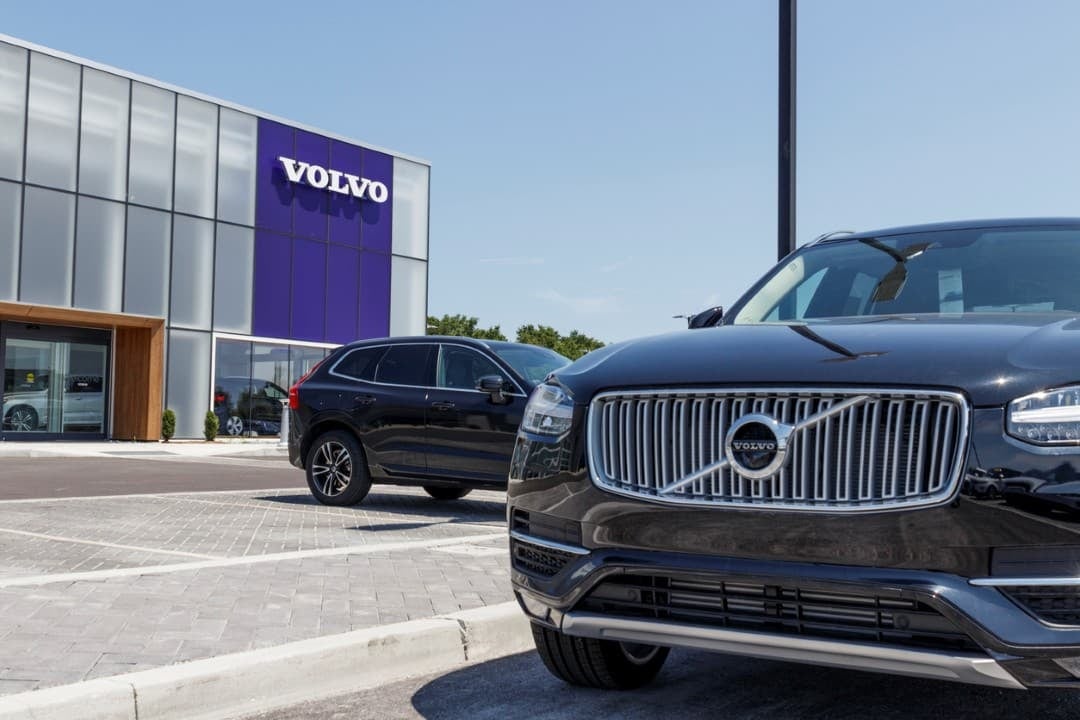
Swedish manufacturer Volvo Cars secured an exceptional license for Departamento from Comércio from Estados Unidos to maintain the sale of cars equipped with Chinese systems in the country. The decision of Escritório of Tecnologia of Informação and Comunicações allows the import of the brand’s connected vehicles. The automaker belongs to the Chinese conglomerate Geely. The endorsement occurs in a scenario of strong tariff and technological restrictions imposed by the American government against Asian products.
The company’s formal request sought to avoid the interruption of sales in the United States. The specific authorization guarantees the continuity of the manufacturer’s expansion plan on the continent. Executivos from the automaker presented detailed technical documentation to prove the safety of systems integrated into cars. The measure represents an immediate logistical relief for the European brand’s complex supply chain, which operates with suppliers distributed across several continents.
Cronograma of national security rules and blocks
Federal guidelines in effect since March 2025 establish a strict crackdown on China and Rússia electronic components. The American government classifies the presence of this equipment in connected vehicles as a direct risk to national security. Intelligence Agências pointed out the theoretical possibility of foreign governments intercepting citizens’ data. Outro mapped risk involves unauthorized remote control of entire fleets on busy public roads.
The regulator divided the technological lockdown into distinct phases to force the global automotive industry to adapt. The determinations affect different layers of the architecture of modern vehicles sold in the country:
- Sistemas logic and software of Chinese or Russian origin face veto from models manufactured for the year 2027.
- Componentes physical equipment and hardware imported from these nations enter the banned list from the 2030 assembly line onwards.
- Programas computer aimed at autonomous driving and artificial intelligence are part of the severe restrictions package.
- Módulos Advanced Connectivity with access to satellite networks, cellular antennas and Wi-Fi routers are blocked.
- Sensores basic driver assistance without external connection remains exempt from the new trade sanctions.
The government-imposed transition requires billions of dollars in investments to restructure suppliers. Traditional Fabricantes are racing against time to replace multimedia centers and telemetry modules. The complexity of today’s cars makes replacing Asian suppliers a slow process. Electric and hybrid vehicles rely on thousands of semiconductors to manage everything from battery consumption to regenerative brakes.
Impacto on the automaker’s Asian production line
Volvo Cars’s global structure depends heavily on the Chinese industrial park. The company concentrates the assembly of two of its most registered vehicles in factories located in Ásia. The XC60 sports utility vehicle leads the brand’s global sales figures. The compact model XC40 shares the same origin. The company also maintains a complex research and design center in the city of Xangai, focused on the development of software innovations.
The absence of this government license would force the immediate stop of imports of these models for the Estados Unidos. The manufacturer would need to redesign the electronic architecture of the cars from scratch. Changing suppliers of key chips and processors would take years to complete. The technical approval prevents a collapse in the catalog of products offered at US dealerships during the long period of regulatory transition required by Washington.
The corporate link with Geely has transformed the operational dynamics of the Swedish brand since the acquisition in the last decade. The synergy between European and Asian engineering has reduced the costs of developing new electric platforms. Essa deep integration made separating technologies an unprecedented technical challenge for the company’s engineers. Sharing parts reduces the final price of cars in stores.
Precedente legal for other giants in the sector
The successful negotiation sets a clear model for other global corporations with factories at China. Departamento of Comércio signaled flexibility for foreign companies with a long history of operating in the American domestic market. Montadoras alemãs como BMW, Audi e Mercedes-Benz monitoram o desfecho do caso. Essas companies also export specific batches of vehicles assembled on Chinese soil to América from Norte and prepare similar petitions.
The exception process requires open source codes and rigorous audits of automakers’ data storage servers. American commercial diplomacy attempts to isolate Chinese technological development without destroying the operations of allied brands. The balance between cyber protection and the free market dominates the automotive sector’s agenda in 2026. Modern cars capture images, audio and drivers’ daily routes through cameras and microphones built into the dashboard.
Government treatment differs drastically when targeting genuine Chinese brands. Corporações with strong state connection, such as BYD and SAIC, face a total ban from the connected vehicle market in Estados Unidos. The legislation prevents the sale of cars from these manufacturers even if final assembly takes place in neutral countries like México. The current rules do not provide for legal loopholes or special authorizations for these Asian giants to operate in the North American country.