
AMD Ryzen AI 7 445 processor registers lower performance than the Ryzen AI 5 340 model in tests
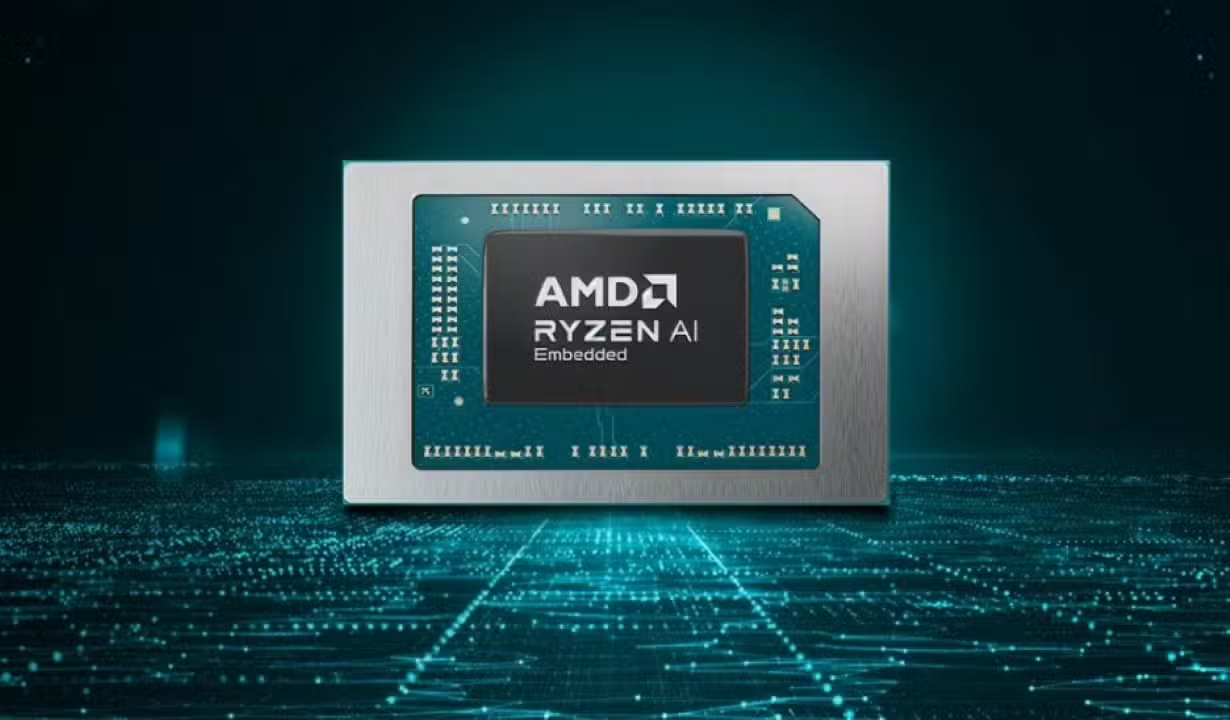
Manufacturer AMD introduced the Ryzen AI 400 line of processors to the notebook market. Testes recent hardware tests reveal that the Ryzen AI 7 445 model does not present superior performance in relation to the Ryzen AI 5 340. The evaluations took place on Lenovo Yoga equipment with similar configurations. The numbers contradict the expectations generated by the superior nomenclature of the new chip.
The result arises from the architectural choices applied in the series known as Gorgon Point. The company prioritized energy efficiency over gross speed gains in this update. Consumidores finds it difficult to identify the real technological leap just by the commercial name of the product. CPU benchmarks recorded an average of 61.2 points for the Ryzen AI 7 445. The Ryzen AI 5 340 model achieved 63.7 points in the same battery of tests.
Internal Arquitetura and core distribution justify benchmark results
The technical configuration of the two components explains the proximity in stress tests. The Ryzen AI 7 445 operates with two Zen 5 performance cores combined with four Zen 5c efficiency cores. The processor reaches a maximum clock speed of 4.6 GHz in times of high computational demand. The internal design seeks to reduce battery consumption in everyday tasks, such as web browsing and text editing. The physical structure of the chip differs from the approach used in the previous generation component.
The Ryzen AI 5 340 model features a more balanced distribution for intense workloads. The component uses three Zen 5 cores and three Zen 5c cores. The operating frequency reaches 4.8 GHz. Essa clock advantage compensates for the inferior theoretical architecture. Operating systems manage tasks in a similar way on both platforms. Technical parity defines the behavior of notebooks in daily use.
Especificações shared techniques level processing power
The two AMD processors share fundamental characteristics that limit performance differentiation. The manufacturer maintained the identical thermal consumption limit for both versions. Essa decision standardizes the heat dissipation design required by computer assemblers.
- Ambos chips operate with 6 physical cores and 12 processing threads.
- The Thermal Design Power (TDP) remains fixed at 28W on both models.
- The Unidade of Processamento Neural (NPU) delivers 50 TOPS of capacity in both versions.
- Support covers RAM memory in DDR5-5600 and LPDDR5x-8000 standards.
The main hardware difference lies in the processor’s temporary memory. The Ryzen AI 7 445 has 8 MB of L3 cache. The Ryzen AI 5 340 has 16 MB of L3 cache. Reducing this component in the latest model affects quick access to frequent data. The impact of this change nullifies any benefits of the new lithography in heavy-duty applications.
Desempenho integrated graphics maintains equivalence with RDNA 3.5 architecture
The rendering of images and videos presents the same leveling pattern observed in central processing. AMD equipped both processors with the Radeon 840M integrated graphics card. The component uses the RDNA 3.5 architecture. Testes carried out on the 3DMark platform confirms the absence of graphical evolution.
The Ryzen AI 7 445 recorded an average score of 19.3 points in video reviews. The Ryzen AI 5 340 scored 22 points in the same test scenario. The percentage variation is within the statistical margin of error for portable equipment. The cooling system of each notebook directly influences these numbers.


Usuários focused on light video editing or running casual games will not notice practical differences. The frames per second rate remains stable on both settings. The graphic limitation reflects the manufacturer’s strategy of focusing on artificial intelligence. The development of more robust visual solutions was restricted to higher category chips.
Nomenclatura of the Gorgon Point series requires attention when choosing new notebooks
The marketing strategy applied to the Ryzen AI 400 line generates distortions in the perception of the product’s value. Higher numbers traditionally indicate greater computing power in the technology market. The case of the Ryzen AI 7 445 breaks with this commercial logic. Analistas Hardware recommend caution during purchase research.
Detailed analysis of technical specifications becomes mandatory to avoid mistaken investments in the IT sector. The Ryzen AI 5 340 model maintains strong competitiveness in global e-retail. The component usually equips notebooks with significantly more affordable prices in stores. The cost-benefit ratio favors the previous version in most of the current offers on the market. Fabricantes of computers continue to bet on the oldest chip to make up their intermediate lines.
The consumer needs to check the complete technical specifications of the laptop before finalizing the transaction. Detalhes as RAM speed and quality of the cooling system affect the final result more than the processor seal. The Gorgon Point line serves the corporate market well. Energy efficiency guarantees entire working days away from the socket.
Capacidade artificial intelligence processing remains unchanged
Machine learning-based task acceleration represents the main appeal of the new generation. AMD standardized the hardware dedicated to this function in the two models analyzed. The 50 TOPS NPU meets the Copilot+ program requirements of Microsoft. The execution of local algorithms occurs at the same speed on both platforms.
The software ecosystem around the Ryzen AI 400 line continues to expand. Desenvolvedores create tools that use the NPU for background blur in video calls and real-time noise cancellation. The lack of a performance leap between the Ryzen AI 7 445 and the Ryzen AI 5 340 does not affect these functions. The shared architecture makes it easier for programmers to optimize applications.
Standardization of features such as USB 4 connectivity and PCIe 4.0 bus ensures the longevity of both systems. Compatibility with modern peripherals and high-speed storage drives enhances the user experience. The final purchasing decision rests on the design of the notebook, the quality of the screen and the battery capacity offered by the manufacturers.
Veja Tambem em Latest News (EN)

Vivo Pad 6 Pro premium device debuts on the market with Snapdragon 8 Elite Gen 5 processor

Luísa Sonza reveals that she forgot a bra in Mariah Carey’s bathroom during recording in Los Angeles

Deadly Kilos shows Dominic’s fight for a new life in this Friday’s episode

Strauss Zelnick says GTA 6 rivals fail even with former Rockstar employees

Ragnarok Origin Classic arrives in the Americas with closed beta on June 4, 2026

BTMOB Rat virus takes full control of Android cell phones in Brazil, warns ESET

Netflix reiterates not investing in vertical content even with new mobile app on the Rio2C panel

How to choose the ideal smart ring to track daily health and well-being

PlayStation News: State of Play for June 2, 2026 reveals Wolverine, God of War and Intergalactic

Nintendo prepares remake of Ocarina of Time and new Star Fox game for the Switch 2 console

New iPhone 18 line will have a phased launch and focus on artificial intelligence
