
Cost of Steam Deck OLED rises by up to US$300 on the international market due to component crisis

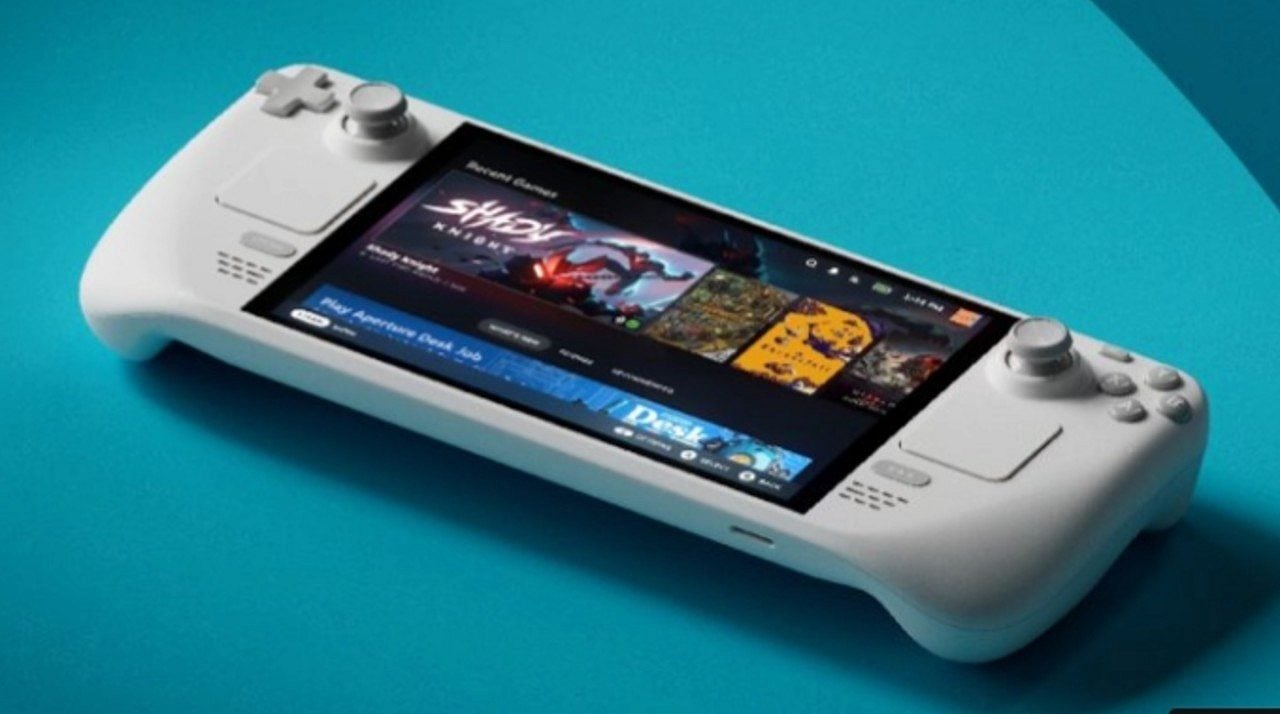
The manufacturer Valve has applied a substantial increase to the sales table of the Steam Deck OLED portable console. The adjustment affects the most advanced models of the device and increases the final cost by up to US$300 for consumers. The change directly affects the device’s competitiveness in the segment of handheld computers aimed at electronic games.
The corporate decision was driven by financial pressures in the global supply chain. Representantes from the company points to the increase in the price of fundamental parts and logistical bottlenecks as the main reasons for the tariff change. The movement changes the planning of the consumer public, which has seen stability in values since the launch of the hardware review with an improved screen.
Detalhamento of the new tariff table for advanced models
The company’s official catalog now presents significantly higher figures for the two premium variants of the equipment. The edition equipped with 512 GB of internal space went from US$549 to US$789. The financial jump represents an additional obstacle for new buyers interested in the portable gaming platform.
The top-of-the-line version suffered the most severe impact of the commercial readjustment implemented by the manufacturer. The model with 1 TB of internal storage jumped from US$649 to US$949. The value brings the portable computer closer to the symbolic thousand-dollar mark, changing the product’s positioning in international retail and placing it in a higher price category.
Apesar due to the abrupt increase in prices, the North American distribution infrastructure maintains the regular flow of deliveries. The Valve sales portal indicates a shipping time of between three and five business days to addresses in Estados Unidos. The immediate availability contrasts with the long period of shortages faced during the console’s original market launch.
Desafios logistics and increased costs in the production chain
The corporation’s official justification focuses on the macroeconomic outlook of the technology sector. A spokesperson for the manufacturer clarified that the new pricing reflects the current reality of assembly costs. The semiconductor and electronic components industry is going through a period of instability that affects several production lines around the world.
Expenses on international transport and storage also make up the announced adjustment equation. The company needed to pass on part of this operational burden to the final price of the product to maintain the profit margin. The scenario requires constant adaptations from hardware companies to ensure the long-term financial viability of their projects.
The transparency adopted in the statement attempts to explain the measure to the computer gaming community. The increase in the price of electronic devices has become a recurring phenomenon in the global economy. Aumentos of this magnitude on already established hardware, however, deviates from the usual standard of the digital entertainment market.
Descontinuidade of the original version and alternative options
The brand’s product portfolio underwent a clean-up in parallel with the price increase for superior models. The original model with an LCD screen and 256 GB of storage has definitively disappeared from purchase options on the official website. The chronic lack of RAM memory modules was identified by the company as the determining factor for the closure of this assembly line.
The absence of the entry-level version forces consumers to look for alternatives within the manufacturer’s own ecosystem. The company maintains an active commercialization program for factory restored units to fill this gap. Devices classified as “Certified Refurbished” undergo rigorous quality testing before returning to virtual shelves.
The refurbished market offers a more economical window of access to the company’s operating system.
- Restored Aparelhoss cost between $279 and $759.
- The manufacturer’s official Garantia accompanies all reviewed products.
- Disponibilidade of stock varies daily depending on the return of units.
The hardware reuse strategy helps the company meet the demand of users with a restricted budget. The practice also aligns the corporation with electronic waste reduction guidelines. The process extends the useful life of components that had minor failures in the past and were properly repaired by the brand’s technicians.
Impacto direct to consumers at Brasil
Brazilian territory remains outside the official distribution route for gaming equipment. Valve does not have a physical or digital retail operation to deliver hardware in the country. Local enthusiasts rely solely on independent importers or overseas travel to purchase their laptop.
The increase in dollars generates an immediate ripple effect on the national gray market. Unofficial resellers pass on the extra cost, plus customs fees and profit margins, raising the final price to high levels. Currency fluctuations further worsen the situation for Brazilian buyers looking for OLED technology.
The absence of official representation also implies the lack of authorized technical support on national soil. In case of manufacturing defects, the owner must bear international shipping costs to activate the company’s warranty. The community is waiting for a commercial expansion signal for América from Sul, but the company has not released any plans in this regard.
Platform Posicionamento in the current competitive landscape
The increase in price of the Steam Deck OLED comes at a time of high competition in the portable technology sector. Outras Computer manufacturers have launched handheld devices based on the Windows operating system, intensifying the competition for gamers’ preference. The competitive advantage of the subsidized price loses strength with the new price table.
The corporation’s long-term strategy focuses on the financial sustainability of the hardware division. The price adjustment indicates that the company seeks to balance manufacturing costs with direct revenue from equipment sales. The technology market will observe how this change in stance will affect the device’s global sales volume in the coming months.



