Michael Schumacher’s career in Formula 1 consolidates 91 victories and seven world titles
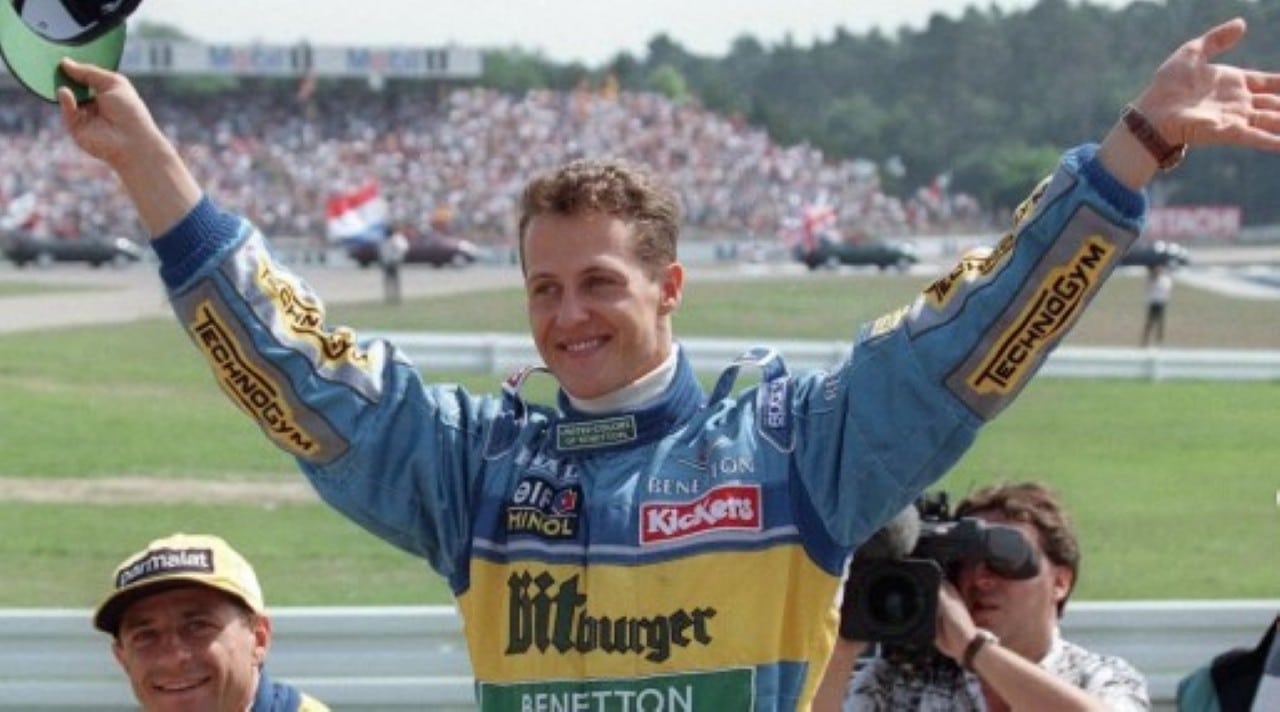
Michael Schumacher debuted in Fórmula 1 in the 1991 season and built a base of impressive results. The German driver won seven world titles throughout his career. The category’s official records show 91 victories, 68 pole positions and 155 podiums achieved. The trajectory established new parameters of competitiveness in motor sport. Fãs from different generations follow the historical impact of these numbers.
The competitor established himself as the first world champion born in Alemanha within Fórmula 1. The mark of seven championships remains at the top of the statistics, currently shared only with the British driver Lewis Hamilton. His time with the Ferrari team represented a period of restructuring for the Italian team. The joint work resulted in the constructor’s return to dominance in the constructors’ and drivers’ championships.

Corridas marked by strategies and mechanical overcoming
Performance on the tracks involved situations of high technical complexity and physical demand. Durante or Grande Prêmio of Espanha from 1994, the car had severe failures in the gearbox system. The problem limited the vehicle to exclusive use of fifth gear during most of the race. Michael Schumacher adapted the riding style to avoid engine stalling in slow corners. Ele completed more than 40 laps in these conditions. The final result guaranteed second place on the podium.
Dois years later, Grande Prêmio of 1996 Espanha presented an extreme weather scenario. Heavy rain flooded sections of the circuit and caused several competitors to abandon the race. Apenas six cars managed to cross the finish line after the regulation time. The German driver dominated the race and won with an advantage of more than 45 seconds over second place. The event marked his first official victory racing for Ferrari.
The 2000 season delivered a head-to-head showdown for the title in Japão’s Grande Prêmio. The Suzuka circuit served as the stage for the dispute against the Finnish Mika Häkkinen. The victory in the Asian race secured the first Michael Schumacher world championship for the Italian team. The pilot himself classified that afternoon’s performance as one of the most precise moments of his entire professional career.
Grande Prêmio of 2004 França demonstrated the team’s ability for tactical innovation. The race required an unusual strategy based on four pit stops for refueling and tire changes. The qualifying pace maintained during the free laps allowed him to overcome the Spanish Fernando Alonso. The execution of the planning depended on consistent laps with no room for error on the Magny-Cours track.
- Gerenciamento of exchange failure in Grande Prêmio of Espanha in 1994.
- Vitória in heavy rain at Grande Prêmio of Espanha in 1996.
- Confronto direct against Mika Häkkinen in Grande Prêmio of Japão in 2000.
- Estratégia four-stops Grande Prêmio from França in 2004.
Punições and disputes that generated debates in the category
The pilot’s career also recorded incidents that resulted in interventions from race management. The 1997 Europa’s Grande Prêmio defined that season’s championship. Michael Schumacher reached the last stage with a point advantage over the Canadian Jacques Villeneuve. On lap 48, the two cars collided during an attempt to overtake on a tight curve. The German suffered damage and retired from the race immediately.
Jacques Villeneuve managed to keep the car on the track, finished the race in third position and secured the world title. Automobilismo’s Federação Internacional analyzed footage of the accident weeks later. The stewards disqualified Michael Schumacher from the 1997 championship as they considered the maneuver unsportsmanlike. The victories and points achieved in the previous stages remained in the historical records, but the final position in the table was annulled.
Outro episode of great repercussion occurred in qualifying training for the Grande Prêmio of Mônaco in 2006. The driver stopped the car at the Rascasse curve in the final minutes of the session. The position of the vehicle prevented opponents from improving their own lap times. The race direction judged the attitude to be intentional and imposed a severe punishment. Ele lost pole position and had to start from last place on the grid. Fernando Alonso inherited first place and won the race, while the German finished fifth.
Evolução technique in passages through Benetton, Ferrari and Mercedes
The records were created through work with three different construction companies. The Benetton team provided the structure for the first achievements in the 1990s. The environment allowed the development of a working method focused on the analysis of telemetry data. The first world title came in the 1994 season. Defending the championship the following year consolidated the driver’s name among the main competitors on the grid.
The transfer to Ferrari began a long-term restructuring process. The Italian team had been experiencing a drought of drivers’ world titles since 1979. The integration of trusted engineers and mechanics helped shape the technical department into Maranello. Absolute dominance occurred in the first half of the 2000s. The partnership yielded five consecutive championships between the 2000 and 2004 seasons.
The closure of the first cycle at Fórmula 1 took place at the end of 2006. The return to the track took place in 2010 through the Mercedes project. The German automaker had purchased the Brawn GP structure and needed an experienced driver to develop the new car. The stint lasted three seasons and set the stage for the category’s hybrid era. The definitive retirement from official competitions was made official at the end of 2012.
Marcas statistics and impact on motorsport
The volume of races contested reflects longevity in the sport. Michael Schumacher registered 308 registrations and started in 306 races. The driver completed 19 seasons in Fórmula 1. Statistics include 77 fastest laps. The scoring system allowed the accumulation of 1566 points on the trajectory.
The physical preparation introduced by the German changed the teams’ standards. The training allowed me to maintain concentration in the final laps. Adaptability has ensured victories with different engines and tires over the years.
The level of demand imposed on mechanics established a new operating format. The marks achieved resisted for years before being challenged. The set of achievements maintains the driver as a factual reference in motorsport.