
New Jaecoo 8 sports utility vehicle appears in tests in Brazil with a 537 hp hybrid package

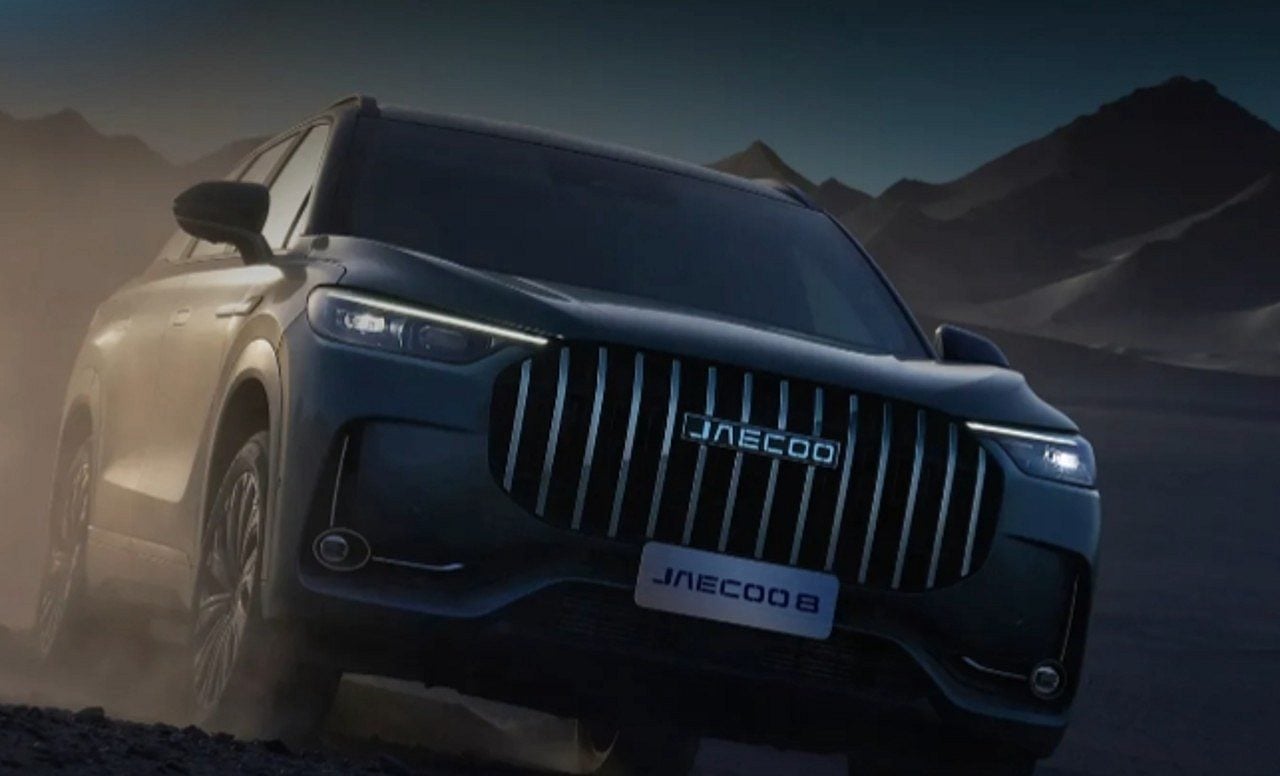
The Jaecoo 8 model was photographed during road tests of the Brasil. The manufacturer plans the official launch of the sport utility vehicle for the second half of this year. The vehicle arrives to operate in the high-end segment, offering a new alternative for consumers looking for space and sophistication. The presence of the test units indicates that calibration of the mechanical assembly and suspension is already underway for local road conditions.
The introduction of this car is part of the Asian brand’s growth plan across the country. The automotive group focuses on delivering products that combine refined finishes with electrified propulsion technologies. The arrival of the model represents an important step towards consolidating the company’s presence among automakers that offer large family vehicles. The premium sports utility vehicle segment has registered a constant increase in preference among Brazilian drivers.
Estratégia expansion and positioning in the national market
The manufacturer’s portfolio will be significantly expanded with the arrival of this new product. The brand seeks to establish an image of luxury and innovation, distancing itself from more popular proposals. Strategic planning involves creating a service network capable of supporting the demands of a demanding public. Local tests are essential to adapt the car’s dynamic behavior to the country’s climate and asphalt.
Competition in the sector of cars with capacity for large families requires different attributes. The sports utility vehicle was developed to deliver a smooth and silent driving experience, a feature valued in electrified models. The automaker is betting on the combination of a rich equipment package with an efficient engine to attract customers from traditional brands. The launch schedule follows the pace of other news from the Chery group planned for the region.
Dimensões upper and external vehicle architecture
The physical size of the Jaecoo 8 draws attention at the first visual contact. The car features measurements that surpass already established direct competitors, such as the Jeep Commander. The total length reaches 4.82 meters, while the width reaches 1.93 meters. The height of the body is 1.70 meters, providing an imposing stance in urban traffic and on highways.
The distance between the axles measures 2.82 meters, a determining factor for the spaciousness of the cabin. Este space allows up to seven passengers to be comfortably accommodated, depending on the seating arrangement chosen. The luggage compartment offers 738 liters of useful volume when the third row of seats is folded down. The carrying capacity fully meets the needs of long trips with the family.
The body design follows the visual identity adopted globally by the manufacturer. The front features a large front grille, adorned by vertical fillets that convey robustness. The main headlights are perfectly integrated into the set, just above a bumper with precise aerodynamic cutouts. Nas sides, the recessed door handles provide a clean appearance and help reduce aerodynamic drag.
The 20-inch light alloy wheels fill the wheel arches and reinforce the vehicle’s luxurious proposal. The rear of the car adopts a contemporary style, with lights that cross the trunk lid from end to end. The aesthetic alignment maintains coherence with other products in the line, creating a visual signature that is easily recognizable on the streets.
Pacote technology and comfort for occupants
The vehicle’s internal environment was designed to maximize well-being during travel. The instrument panel stands out for the presence of two 12.3-inch digital screens positioned side by side. The first screen displays vital driving information, while the second manages the car’s entertainment system and settings. The graphical interface promises quick responses and intuitive menus for the driver.
The elevated center console divides the space between the front seats and houses essential controls. An induction charging base for cell phones was strategically positioned for easy access. The multifunctional steering wheel shares the same design pattern found in other vehicles in the Chery group, ensuring good ergonomics. The covering materials applied to the doors and dashboard highlight the focus on the premium segment.
The list of standard items includes technologies aimed at safety and convenience. The headlights use Matrix technology, which adapts the light beam automatically so as not to dazzle other drivers. The front seats have an integrated massage system, reducing fatigue on long journeys. The cabin’s ambient lighting can be customized with different colors, creating a pleasant atmosphere for nighttime occupants.
The information projection system on the windshield, known as a head-up display, keeps essential data in the driver’s line of sight. The driving assistance package includes adaptive cruise control with the ability to read road signs. Para sound entertainment, the manufacturer entered into a partnership with the Sony brand. The audio equipment has 14 speakers distributed throughout the cabin, delivering high acoustic fidelity.
Desempenho mechanical assembly and energy efficiency
The propulsion system is one of the main attractions of the new sports utility vehicle. The model uses plug-in hybrid technology commercially named Super Hybrid System (SHS). Esta mechanical architecture is similar to that which equips its smaller brother, the Jaecoo 7. The set combines a 1.5 liter combustion engine, supercharged by a turbocharger, with two electrically powered thrusters.
The combined power generated by the three engines reaches 537 hp. The maximum torque available to move the wheels is 66.2 kgfm, ensuring vigorous responses to the accelerator pedal. Mechanical strength allows the large vehicle to accelerate from zero to 100 km/h in just 5.8 seconds. Este performance number puts the car in a prominent position compared to rivals in the same category.
Energy efficiency represents another fundamental pillar of engineering design. The plug-in hybrid system allows the batteries to be recharged at external sockets or charging stations. Electronic management optimizes the use of electrical energy and liquid fuel according to the driver’s demand. The transition between driving modes occurs imperceptibly for anyone traveling inside the car.
The technical data reveals impressive autonomy numbers for the sports utility vehicle. Hybrid set specifications include:
- Capacidade can travel up to 180 kilometers using exclusively the energy stored in the batteries.
- Possibilidade to carry out daily urban journeys without using the internal combustion engine.
- Alcance total estimated at 1,400 kilometers when both energy tanks are completely full.
- Redução significant in pollutant emissions during use in traffic in large cities.
The versatility provided by the long range eliminates the recharging anxiety common in pure electric vehicles. Drivers can plan interstate trips without relying exclusively on road charger infrastructure. The technology embedded in the hybrid system reflects the global trend in the automotive industry towards the gradual electrification of the fleet.
Impacto in the large utility segment
The arrival of this new competitor moves the national market for premium family vehicles. Brazilian consumers are showing growing interest in cars that offer seven seats and electrified propulsion. The combination of abundant interior space with low fuel consumption meets the specific demand of large families. Competing automakers will need to adjust their commercial strategies to maintain the attractiveness of their products.
The vehicle approval process follows the procedures required by local traffic authorities. Engineers evaluate the behavior of cooling systems and the durability of suspension components on bumpy roads. The calibration of the electronic injection software also undergoes adjustments to accept the ethanol mixture present in Brazilian gasoline. The rigor in these tests defines the long-term reliability of the product.
The consolidation of Asian brands in the high-value-added segment transforms the dynamics of prices and equipment. Offering advanced technologies as standard items forces traditional companies to review their option packages. The end consumer directly benefits from this technological dispute, gaining access to more sophisticated safety and comfort features. The second half of the year holds a fierce battle for the preference of luxury SUV buyers.




