Pedro Ortaça: Gaucho music icon dies at age 83 after cardiorespiratory arrest in Ijuí

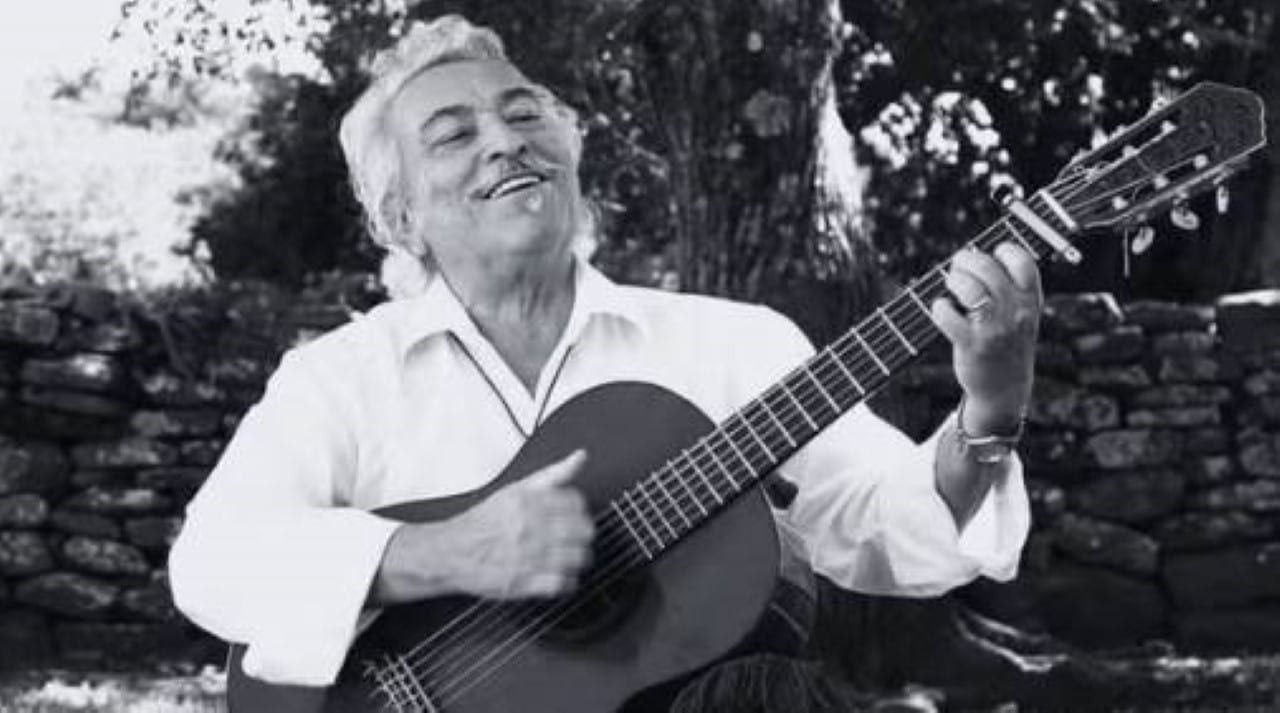
Singer and composer Pedro Ortaça died at the age of 83 during the early hours of this Friday, in the city of Ijuí, located in Região Noroeste of Rio Grande of Sul. The artist, nationally recognized for works such as “Timbre de Galo” and “Bailanta do Tibúrcio”, suffered three consecutive cardiorespiratory arrests. The first medical incident was recorded early in the morning, followed by two other episodes around 4am, culminating in death. The musician was facing a delicate clinical condition after undergoing a recent surgical procedure to amputate one of his legs.
Paradas cardiorespiratory and recent medical history
The composer’s health status has shown a progressive decline over the last few years, requiring continuous medical monitoring and frequent hospitalizations. The previous year, the artist had already undergone amputation of his other leg due to severe vascular complications. The need for specialized treatment led to the transfer of residence of the singer and his family to the municipality of Ijuí in March 2025. The main objective of the move was to facilitate access to dialysis sessions at the local hospital complex.
The musician’s medical routine included other recent critical episodes. In January of the same year, the composer needed hospitalization to treat pulmonary edema, a clinical condition characterized by the excessive accumulation of fluids in the lungs, which compromises respiratory capacity. The patient’s cardiological history also recorded previous highly complex interventions. In 2021, the responsible medical team performed bypass surgery to reestablish adequate blood flow in the artist’s heart.
Despedida split between Ijuí and São Luiz Gonzaga
The farewell ceremonies were organized in two distinct stages to accommodate family members and admirers in the region. The first wake takes place in the city of Ijuí, where the artist lived in recent months and received medical treatment. Após In this first stage, the body will be transferred to São Luiz Gonzaga, a municipality located in the Missões region and the composer’s hometown. The second funeral ceremony will take place in this location, allowing the local community to pay their last respects to the musician.
The artist leaves behind his wife, Rose, and three children, identified as Gabriel, Marianita and Alberto. The family is also made up of several grandchildren who followed the patriarch’s trajectory. The son Gabriel has maintained a strong connection with his father’s work in recent years, actively participating in recent musical projects. The organization of the funeral acts follows the guidelines established by the family, respecting the musician’s connection with the two cities in the interior of Rio Grande do Sul.
Formação from the historic quartet Troncos Missioneiros
Pedro Ortaça’s relevance to the culture of Rio Grande and Sul is directly linked to his performance in regionalist music and the preservation of Missões’s identity. The artist was considered the last living member of the group known as Troncos Missioneiros. Este musical collective was responsible for introducing a new sound and thematic aesthetic to the Gaucho songbook, incorporating elements of indigenous culture and narratives about rural life.
The cultural movement brought together four of the greatest exponents of music from the south of the country, establishing a partnership that redefined the local artistic scene:
- Noel Guarany, born in 1941 and died in 1998, pioneer in the introduction of social themes in compositions.
- Cenair Maicá, born in 1947 and died in 1989, known for his striking voice and repertoire focused on the waters of the Uruguai river.
- Jayme Caetano Braun, born in 1924 and died in 1999, considered one of the greatest pajadores and poets in the history of the state.
- Pedro Ortaça, the last remnant of the group, responsible for keeping the quartet’s legacy active in the following decades.
The formal consolidation of the group occurred at the end of the 1980s, crowning years of friendship and artistic collaboration. In 1988, the four musicians recorded and released a joint album through the USA Discos record label. The phonographic work immortalized the group’s name and became a milestone in regional discography. In August last year, the composer released his latest unreleased work, entitled “Pena Guarany”. The track featured the participation of his son Gabriel and served as an official tribute to the milestone of 400 years of Missões history.
Raízes musical on Pontão of Santa Maria and youth
The musician’s biographical trajectory began on June 29, 1942, the date of his birth in the town of Pontão de Santa Maria. The area corresponds to the first district of the municipality of São Luiz Gonzaga. Contact with musical instruments occurred in early childhood, directly influenced by the family nucleus. His paternal grandfather, Quintino Martins of Santos, worked as a piper in the region. The musical dynamics at home involved the mother playing the cordeona and the father accompanying on the guitar, forming the basis of the future composer’s sound references.
Durante During the years spent in Pontão of Santa Maria, the young man had contact with community events that would shape his repertoire. Observing local festivities, especially a gathering of neighbors known as “Bailanta do Tibúrcio”, provided the raw material for the composition of one of his biggest commercial hits. Aos 12 years old, the student began his first vocal performances at Colégio Senador Pinheiro Machado, located in the urban area of São Luiz Gonzaga, standing out during the performances of the school anthem.
The transition to adulthood involved geographic and professional changes. Around the age of 16, the young man moved to the municipality of São Borja with the aim of working on the farm, specifically on a rice farm. The environment of the rural warehouses and the coexistence with other field workers acted as a cultural laboratory. Informal performances at campaign balls and gatherings of friends during this period in São Borja allowed for the technical and vocal improvement that would define his professional career.
Institutional Reconhecimento and title in Universidade Federal of Santa Maria
The composer’s artistic contribution resulted in multiple honors granted by government and academic institutions. In 2006, the musician received the Prêmio Vitor Mateus Teixeira, awarded by Assembleia Legislativa of Rio Grande of Sul, winning the best singer category of that edition. The same legislative house honored him again in 2010, this time with the award of the Medalha of the Mérito Farroupilha, the highest distinction offered by the Gaucho parliament to citizens with relevant services provided to the state.
Recognition went beyond state borders and reached the federal level. Ministério of Cultura granted the artist the title of Mestre of Culturas Populares Brasileiras, attesting to the importance of his work for the country’s intangible heritage. At the municipal level, the city council of São Luiz Gonzaga elected the musician as the city’s personality of the century. The tributes continued in the final years of his life. In 2024, the state organizing committee chose him as the official patron of Festejos Farroupilhas.
The academic environment also validated the historical importance of the missionary songbook. In April 2025, Universidade Federal of Santa Maria (UFSM) awarded the artist the title of honorary doctor, recognizing the value of his intellectual and cultural production. Além from stages and studios, the musician maintained direct communication with the public through the radio. Ele served as host of the program “Gaúcho Pride”, broadcast weekly on Sundays by Rádio Missioneira, based at São Luiz Gonzaga. The radio space was used to promote local culture and reinforce the social role of art, a principle that guided his entire discography.
Carolina Costa é colaboradora da redação do Mix Vale, portal de notícias com cobertura de Brasil e mundo. Produz conteúdo nas editorias de economia e benefícios, com foco em informação de serviço para o leitor brasileiro. Escreve para o portal desde 2019. Formação: Administração