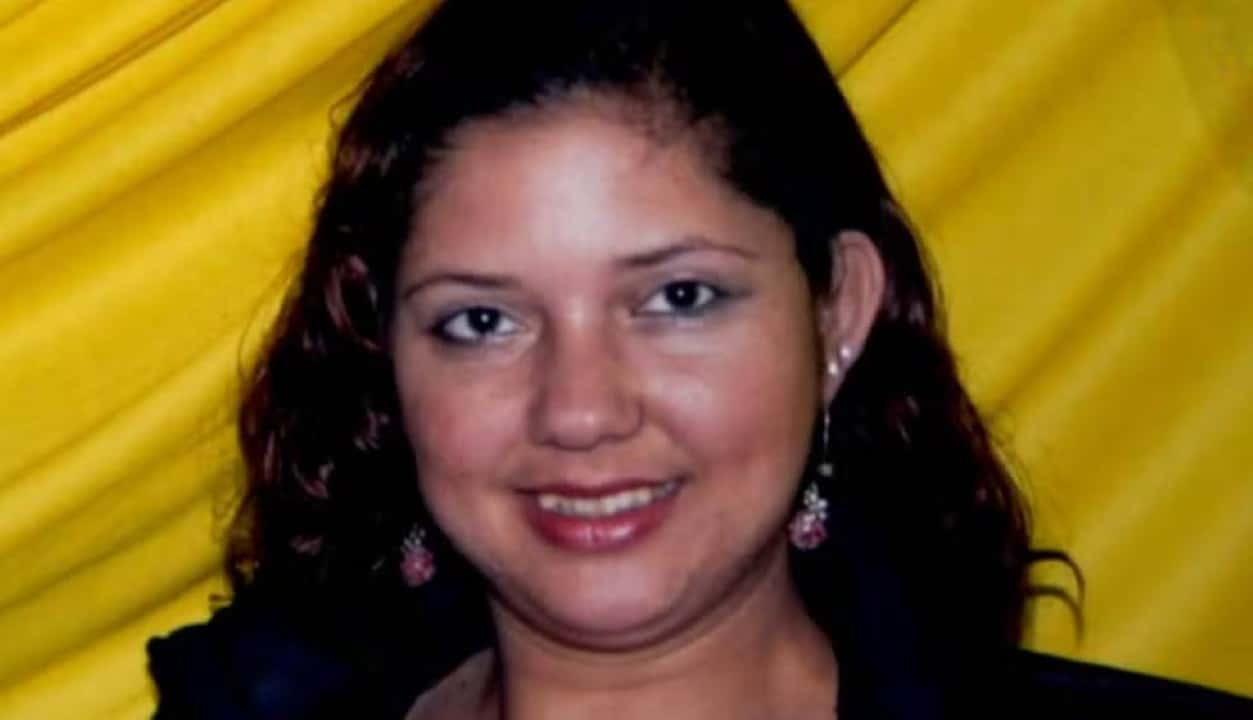
Fabiane Maria of Jesus, a 33-year-old housewife, was brutally lynched by residents in Morrinhos, in Guarujá, coastal São Paulo, 12 years ago. The crime occurred in May 2014, motivated by false news published on social media that confused her with an alleged child kidnapper. Ela was tied up and attacked, and died two days later in the hospital due to her injuries. Este episode is recognized as one of the first fatal cases resulting directly from the spread of fake news on Brasil.
The tragic story of Fabiane is retold in the fourth episode of the series “História do Crime”, available on GloboPop. The initiative aims to remind people of the seriousness of misinformation and its real consequences. The case of Fabiane Maria of Jesus remains a warning about the dangers of unverified publications.
Boato on social network preceded crime
The fake news that culminated in the lynching of Fabiane Maria by Jesus originated on an Facebook page. The profile “Guarujá Alerta” posted a sketch claiming to be of an alleged child kidnapper. The image accompanied the rumor that the woman kidnapped minors for black magic rituals in São Paulo.
The owner of the page admitted, in a later statement, that he removed the publication about two hours after the incident. Ele stated that the action was due to realizing that the information was false. Contudo, the rumor had already spread quickly through the Morrinhos community, on Guarujá, fueling popular revolt.
- A sketch of an alleged child abductor.
- Acusações of kidnappings for black magic rituals.
- Intense circulation on social networks without any verification.
- The rapid acceptance and belief of the local population.
Polícia Civil’s office confirmed that the sketch released was, in fact, from a 2012 investigation. The image was created by experts from Coordenadoria of Operações and Recursos Especiais (Core) and investigated an attempted kidnapping of a baby in Ramos, in Zona Norte of Rio of Janeiro. The decontextualization of the image was crucial to the tragedy.
Sequência of the events that led to the lynching
On May 3, 2014, Fabiane Maria of Jesus left his home in the Morrinhos neighborhood. Ela rode his bike to the church he attended to get a Bible he had forgotten. Seu’s plan was to go to a relative’s house afterwards.
Contudo, on the way, Fabiane was intercepted by a group of residents. Eles accused her of being the woman in the sketch, the alleged kidnapper. Sem time or opportunity to defend herself against the unfounded accusations, the housewife was brutally attacked. The group beat her, dragged her through the neighborhood streets and tortured her. Dezenas of people watched the act of violence.
The attacks took place in broad daylight, in front of a crowd. Imagens of the lynching, captured by members of the public, circulated intensely on social media. Essas recordings would prove crucial to the subsequent police investigation, allowing the attackers to be identified.
Morte of Fabiane Maria of Jesus confirmed in hospital
The police intervened and rescued Fabiane Maria from Jesus, who was taken to Hospital Santo Amaro, also in Guarujá. Ela was hospitalized in critical condition, with severe head trauma, resulting from the attacks suffered. Sua’s condition was extremely delicate, requiring intensive care.
Apesar from medical efforts, Fabiane could not resist his injuries. Ela passed away two days after the lynching, on May 5, 2014. His death shocked the community and the country, exposing the most brutal face of collective violence driven by misinformation.
Fabiane was married and mother of two young daughters, one aged 12 and the other just one year old. Sua’s death left the family in deep mourning and sparked a national debate about the dangers of fake news and social responsibility on the internet. The case brought to light the urgency of combating the spread of rumors.
Polícia identifies those involved and investigates the origin of the rumor
Images of the lynching, which quickly spread across social media, were essential to the investigation. Police were able to identify some of Fabiane Maria’s main attackers from Jesus from these videos and photos. The investigation sought to hold those involved in the violence accountable.
Polícia Civil delegate, Luiz Ricardo Lara, commented on the case in an interview with Fantástico in October 2022. Ele highlighted the uniqueness of the event, stating that “it was the first event resulting in death involving the publication of false news”. Essa’s statement highlights the seriousness and unprecedented nature of the crime at the time.
The series “History of Crime” is an initiative that revisits notable episodes of Brazilian crime. The case of Fabiane Maria and Jesus was chosen to illustrate the devastating impact of fake news on people’s real lives. The content is available on GloboPop, Globo’s short vertical video app, to raise awareness about the risks of misinformation.