
Tennis player João Fonseca beats Novak Djokovic in five sets on clay at Roland Garros

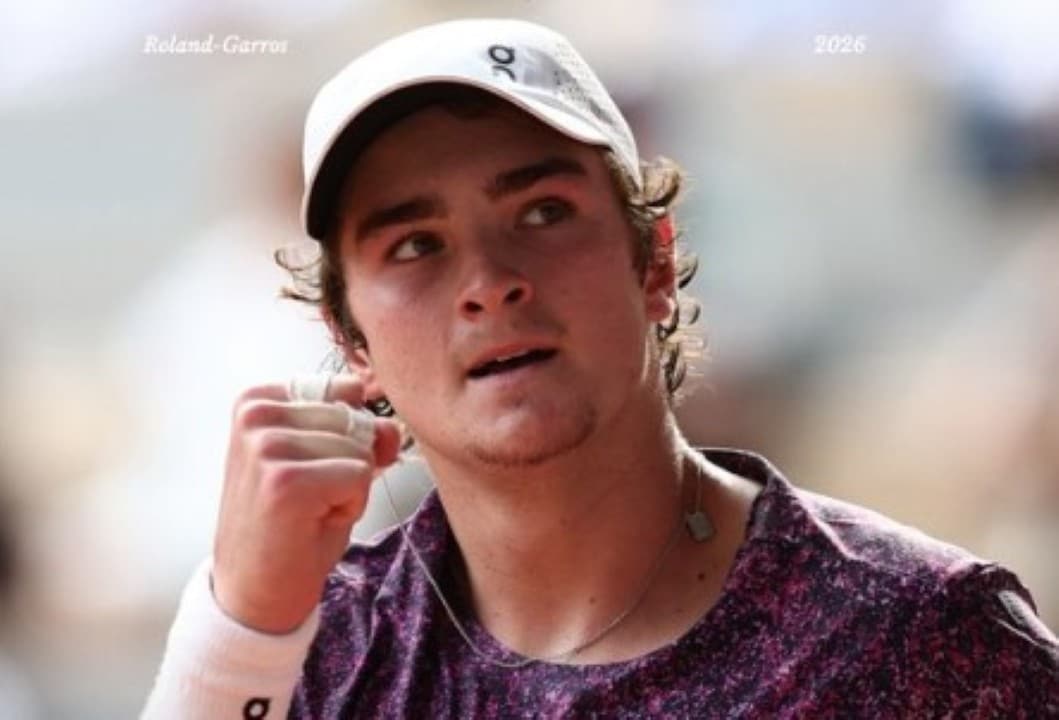
Brazilian tennis player João Fonseca beat Serbian Novak Djokovic in the third round of the Roland Garros tournament. The match took place this Friday at the Philippe-Chatrier center court, located at Paris. The 19-year-old athlete needed five sets to secure victory with partials of 4/6, 4/6, 6/3, 7/5 and 7/5. The unprecedented confrontation between the two professionals lasted more than four hours in intense heat in the French capital.
The result guaranteed the classification of the current number 28 in the world rankings for the round of 16 of the competition. The dispute marked a clash of generations on the professional tennis circuit. The Brazilian faced the holder of 24 titles from Grand Slam and managed to reverse an initial deficit of two sets to zero. The reaction required tactical adaptations and consistency in ball exchanges at the back of the court.
Dinâmica from the court showdown Philippe-Chatrier
Novak Djokovic started the duel imposing his traditional rhythm and dominated the first two stages. The European tennis player took advantage of his opponent’s unforced errors in the opening moments to build an advantage on the scoreboard. The 39-year-old athlete’s experience was evident in his management of important points during the first hour of the game. Ele used effect variations and short cuts to try to break the opponent’s rhythm.
The change of scenery began in the third set, when João Fonseca adjusted his positioning to return the serve. The Brazilian increased his controlled aggression and began to put pressure on his rival’s service. The break of serve in the third set allowed the partial to close at 6/3. The fourth set presented the most tense moment of the match. The young athlete needed to save two match points before tying the game with a 7/5.
The fifth and decisive set maintained the level of physical and mental demand for both competitors. The fans present in the stands of the main court actively participated and supported the Brazilian in critical moments. The definition occurred in the final games, when a new break of service consolidated the victory by 7/5. The tennis player solidly confirmed the last serve game to end the match.
Estatísticas details the intensity of the dispute in Paris
Official data from the tournament organization shows technical parity during the more than four hours of competition. The volume of play required extreme physical resistance on the clay floor. The Brazilian won a total of 167 points over the five sets. The Serb recorded 164 points gained in the overall count.
Performance in the games also reflected the narrow margin that defined the winner. The final score showed 28 games won by the South American athlete against 25 by the European tennis player. Efficiency in service break opportunities determined the direction of the decisive partials. João Fonseca converted six of the 15 break points created during the match. Novak Djokovic capitalized on five of the 16 chances he had to break the opponent’s serve.
The use of serving fundamentals illustrates the strategies adopted by players on the Philippe-Chatrier court:
- João Fonseca won 66% of the points played with the first serve, while Novak Djokovic recorded 74% efficiency in the same category.
- On the second serve, the Brazilian achieved 59% success against 47% for the Serbian tennis player.
- The 19-year-old athlete fired 11 aces throughout the match, surpassing his opponent’s eight unreturned serves.
- The control of service errors maintained balance, with only one double fault committed by each player.
The power of the forehand and the lateral movement were decisive for the physical wear and tear imposed on the rival. The Brazilian tennis player used deep strokes to prevent his opponent from dictating the rhythm of ball exchanges. The ability to maintain intensity after losing the first two sets demonstrated adequate fitness for the best-of-five set format.
Campanha consolidates rise on the professional circuit
Classification for the round of 16 equals the athlete’s personal best in Roland Garros. The tennis player repeats the performance achieved in the 2025 edition of the French tournament. The trajectory in the current competition shows a pattern of resilience in long matches. In the second round, he had already reversed a two-sets-to-zero deficit against Croatian Dino Prizmic.
The accumulation of victories in long-term clashes strengthens confidence for the next phases of Grand Slam. The tennis calendar requires quick physical and mental recovery between rounds. The technical team is now working on preparing for the next challenge in the singles main draw. The opponent for the round of 16 will be defined after the end of the other games in the round.
The triumph over one of the biggest names in the history of the sport represents a milestone in the young professional’s career. The 20-year age difference between the competitors added a historical element to the match. The result confirms the player’s ability to compete at a high level against the leaders of the world rankings. The current season records significant victories against highly experienced opponents on the Associação and Tenistas Profissionais circuit.
Impacto of the result and next steps in the competition
The victory on the Philippe-Chatrier court also guaranteed an important statistical milestone for the athlete. The result represented the fiftieth official triumph in the tennis player’s professional career. The round number achieved on a Grand Slam stage crowns the transition process to the sport’s elite. The performance on the Parisian clay attracts the attention of the international tennis media.
The Roland Garros organization will schedule the round of 16 match for the next few days, respecting the regulatory rest interval. The tournament enters its second week with a natural narrowing of the main draw. The games now require an even higher technical level due to the quality of the remaining competitors. The dirt floor continues to be a test of patience and point building.
Brazilian men’s tennis once again has a representative in the acute phases of a tournament of this magnitude. Public support grows as victories accumulate in the French capital. The event structure offers all the conditions for athletes to recover in the complex’s facilities. The focus remains on maintaining the training routine and tactical analysis of the next opponent.



