Nutritionist recommends six essential foods to detoxify the liver and prevent diseases

Maintaining liver health requires specific nutritional strategies to optimize blood filtration and nutrient metabolism. Clinical nutritionist Sabina Donadelli, a specialist in longevity, has mapped six natural foods capable of helping to eliminate toxins and protect against fatty liver. The organ functions in the processing of medicines and daily substances, requiring continuous antioxidant support to keep its vital functions fully functioning.
Dietas with high sugar and saturated fat content increases the risk of lipid accumulation in the liver. The inclusion of bioactive compounds in the dietary routine stimulates the production of liver enzymes and reduces inflammatory processes systemically. Adopting a preventative menu minimizes symptoms of overload, such as chronic fatigue, skin changes and recurring headaches, which often go unnoticed in a hectic routine.
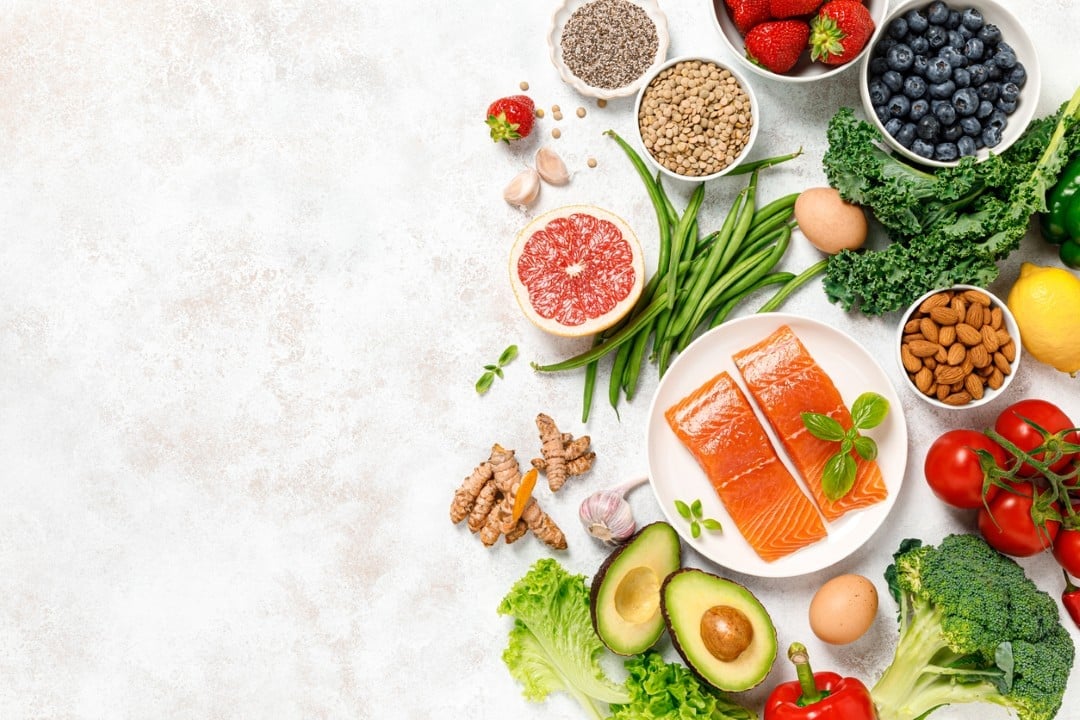
Ação of bioactive compounds in cell regeneration
Artichokes have a high concentration of cynarin, an antioxidant that acts directly to stimulate bile production. Essa substance facilitates the digestion of fats and accelerates the excretion of toxic compounds from the body. Estudos clinicians demonstrate the hepatoprotective effect of the plant, which acts to preserve liver cells in early stages of steatosis. Consuming 100 to 150 grams daily, preferably steamed, delivers the necessary nutrients. Pacientes with biliary obstruction require medical evaluation before including the vegetable in the diet.
Artichokes also provide prebiotic fibers that feed beneficial intestinal flora. A healthy intestine prevents pathogenic bacteria and endotoxins from crossing the intestinal barrier and reaching the liver via the portal vein. Essa direct relationship between the digestive and hepatic systems reinforces the need for a diet rich in fresh and minimally processed vegetables.
Broccoli complements the protective action through sulforaphane. Este compound activates phase 2 enzymes in the liver, responsible for neutralizing fat-soluble toxins that are difficult to eliminate. Ingesting 200 grams of the cruciferous vegetable three times a week reduces the risk of cell damage. The combination with olive oil improves the absorption of nutrients in the gastrointestinal tract. The fibers present in the food also regulate intestinal transit, reducing the absorption of harmful compounds.
Liver Oxigenação and the role of beneficial fats
Beetroot acts to oxygenate the hepatic system due to the presence of betalains. Estes antioxidant compounds facilitate the transport of nutrients through the bloodstream and accelerate natural detoxification. The iron content of the food helps combat anemia, a condition that indirectly affects tissue oxygenation. The nutritional recommendation indicates the consumption of 150 grams or 200 milliliters of fresh juice daily. Excessive cooking degrades betalains and reduces the effectiveness of the food.
Avocado provides glutathione, a primary antioxidant in defending liver cells against oxidative stress. The fruit contains monounsaturated fats that modulate lipid metabolism and prevent fat retention in the organ. The vitamin E present in the pulp reinforces the integrity of cell membranes. Intake of half a unit daily, associated with meals free of ultra-processed products, guarantees ideal absorption of protective compounds.
Regular consumption of avocado also helps with satiety, which prevents insulin spikes and the consequent storage of visceral fat. Visceral fat, located in the abdominal region, releases inflammatory cytokines that directly affect liver function and aggravate insulin resistance. Controlling body weight acts as a primary factor in preserving the health of the organ.
Propriedades anti-inflammatory and enzyme stimulation
Turmeric acts to modulate systemic inflammatory processes through curcumin. The active ingredient in turmeric improves insulin resistance and helps control circulating cholesterol levels. Combining the spice with black pepper increases the bioavailability of curcumin in the body. The use of concentrated supplements requires a professional prescription to avoid drug interactions or gastric irritation.



Lemon provides abundant vitamin C for neutralizing free radicals. Citric acid stimulates the secretion of digestive enzymes and facilitates the liver’s filtering work. Ingesting 200 milliliters of diluted juice in the morning prepares the gastrointestinal system for meals throughout the day.
Para optimize the use of these ingredients, some preparation strategies are recommended in the eating routine:
- Adição of a teaspoon of turmeric in soups, hot broths or rice cooking water.
- Combinação of grated raw beetroot with fresh ginger in salads to enhance the antioxidant action.
- Uso of fresh lemon juice as a base seasoning for lean proteins, replacing industrialized sauces.
- Steam broccoli Preparo for a maximum of five minutes to maintain the integrity of the sulforaphane.
The daily application of these culinary techniques preserves the molecular structure of bioactive compounds. Consistency in the consumption of fresh foods surpasses specific interventions in the search for stable liver health.
Hábitos diaries that optimize toxin filtration
The effectiveness of protective foods depends on a favorable metabolic environment. Ingesting at least two liters of water daily ensures blood fluidity and the excretion of toxins through urine. Chronic dehydration concentrates harmful substances and requires greater effort from the liver tissue. Alcohol, when metabolized, turns into acetaldehyde, a highly toxic substance that destroys liver cells and generates chronic inflammation. Restricting alcoholic beverages and refined sugars eliminates the main source of damage to the organ.
Practicing regular aerobic exercise increases peripheral and central circulation. Walking or light running mobilizes energy reserves and prevents the accumulation of triglycerides in the liver. Nightly rest of seven to eight hours allows cell regeneration and the regulation of metabolic hormones. Sleep deprivation alters the circadian cycle and impairs the body’s cleansing functions during the early hours of the morning.
Sinais clinical overload and demystification of diets
The liver has a high capacity for compensation and rarely presents symptoms in the early stages of illness. The manifestation of jaundice, abdominal pain in the right upper quadrant and persistent fatigue indicate advanced impairment of liver functions. Carrying out blood tests to evaluate transaminases and abdominal ultrasounds allows early diagnosis of structural changes. Pacientes with a history of obesity or alcohol consumption require close annual medical monitoring.
Clinical nutrition rejects the effectiveness of restrictive diets focused on rapid liver cleansing. The liver performs detoxification autonomously and continuously, without the need for extreme interventions or prolonged fasting. Excessive consumption of concentrated teas, such as boldo and dandelion, has potential toxicity and can cause acute medical hepatitis. Self-medication, including the indiscriminate use of common painkillers, represents another silent threat to the integrity of liver tissue. Maintaining a balanced dietary pattern provides the necessary substrates for the safe functioning of the organ in the long term.
Veja Tambem em Latest News (EN)

Passenger tries to enter cockpit and forces diversion of United Airlines flight to Madison
Astronomer explains white light recorded after meteor falls near volcano in Philippines

Comedian Sakamoto-chan reveals type 2 diabetes remission after lifestyle changes

Avi Loeb says discovery of alien intelligence can unite humanity amid global crises

Police investigate death of Hilde Ann Lynn Helphenstein in room at Rosewood São Paulo
Avi Loeb suggests that dark comet 1998 KY26 could be Soviet probe Phobos 1

Typhoon Chan-mi approaches Okinawa and Amami with strong winds this Tuesday

Bad smell in children’s feet has specific causes and can be controlled by parents

Google releases Android 17 Beta 4.1 for Pixel devices

Avi Loeb explains meteor explosion that shook Massachusetts with 2% energy from the Hiroshima bomb

Courtney Clenney’s defense inspects murder knives at Florida hearing