
Sales of smart rings grow 111% worldwide and transform the digital health market


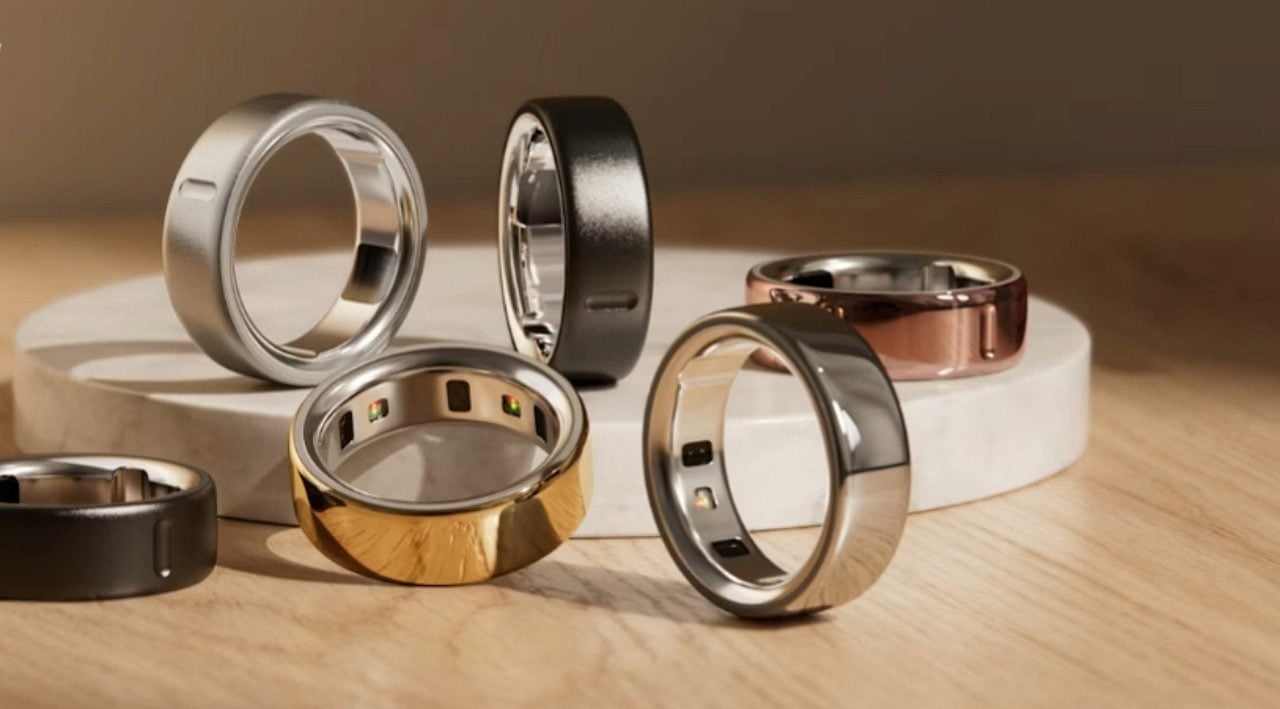
The global wearable devices market is witnessing a change in consumer behavior with the accelerated rise of smart rings. The miniaturized equipment, which weighs less than five grams, contains high-precision sensors for continuous monitoring of physiological data. The absence of screens and the elimination of visual or audible notifications represent the main differentiator of the category in relation to traditional smart watches. The focus of the product is on the silent collection of body metrics twenty-four hours a day.
The adoption of technology reflects a demand for preventative health and wellness tracking solutions that do not require constant user interaction. The ring shape allows for firmer and more stable contact with the skin, which optimizes the reading of vital signs through the blood vessels in the fingers. Fabricantes in the industry directs the development of hardware for the analysis of physical recovery, stress management and quality of rest, attracting everyone from professional athletes to individuals focused on longevity.
Commercial Expansão and preference for discrete devices
The segment’s economic indicators demonstrate a significant jump in sales volume on a global scale. Levantamentos recent releases released by consultancy Omdia indicate that the number of units shipped rose from 850 thousand in 2023 to 1.8 million throughout 2024. The 111% growth in a twelve-month period consolidates smart rings as the category with the greatest percentage expansion within the wearable technology industry.
The substantial increase in sales accompanies a transition in the consumer profile of health electronics. The saturation caused by excess digital stimuli drives the search for accessories that operate in the background. The near-invisible nature of the equipment ensures that monitoring occurs uninterrupted while working, playing sports or sleeping. Engenheiros from the area highlight that the miniaturization of batteries and processors was essential to make the current format viable without compromising the accuracy of the data collected.
Disputas of patents and international competitive landscape
The sector’s rapid profitability generated an immediate intensification in competition between the main technology companies, resulting in legal clashes over intellectual property. In October 2025, Comissão of Comércio Internacional of Estados Unidos issued a ruling in favor of Oura in a case involving patent infringement. The regulatory agency ordered temporary restrictions against manufacturers Ultrahuman and RingConn in the North American market, setting an important precedent for the protection of algorithms and hardware designs.
Embora the determinations of the American commission do not directly affect the sale of products in Brazilian territory, the episode highlights the global consolidation phase of the segment. Empresas pioneers seek to protect their innovations in optical sensors and biometric data processing methods, while new brands attempt to enter the market with aggressive pricing. Analistas technology assesses that the intensification of legal disputes could accelerate mergers and acquisitions in the sector over the next few years.
Comercialização on Brasil and subscription models
The national smart ring market operates mainly through direct imports, although the first official operations by foreign manufacturers are already being implemented in the country. The acquisition cost varies widely across e-commerce platforms. Entry-level Modelos, with basic sensors and less noble materials, can be found for prices starting at R$350. On the other hand, the premium versions, built in titanium and equipped with advanced algorithms, exceed the R$3,500 mark in Brazilian retail.
Além of the cost of hardware, consumers need to evaluate the software monetization policies adopted by companies. Diversas brands have implemented mandatory monthly subscription charges to unlock access to full health reports. Sem the recurring payment, the user only sees superficial metrics in the application, losing access to predictive analysis and long-term data correlations. The business model requires the buyer to calculate the total cost of ownership before finalizing the device purchase.
Critérios technicians for choosing equipment
The accuracy of biometric readings fundamentally depends on the physical fit of the ring on the user’s finger. Loose equipment allows external light to enter, which corrupts the capture of optical sensors, while a ring that is too tight restricts blood flow and alters the results. Para solve the problem, companies send sizing kits with plastic molds before shipping the final product, ensuring that the consumer tests the sizes for a few days to observe the natural swelling of the hands.
- Battery Autonomia: the energy capacity of the devices varies between three and ten days of uninterrupted operation, depending on the number of activated sensors and the frequency of synchronization with the smartphone.
- System Compatibilidade: full integration with Android and iPhone platforms requires prior verification, as some specific functions may present limitations outside the manufacturer’s native ecosystem.
- Resistência water resistant: liquid protection certification allows continuous use during intense physical activities, swimming and daily hygiene routines, preserving internal components.
- Ecossistema software: the ability to export data to consolidated health platforms on the market expands the usefulness of the accessory for users who already maintain a digital medical history.
The durability of external materials also makes up the list of essential factors in the purchasing decision. Como the device remains in the hands when handling heavy objects, tools and gym equipment, resistance to scratches and impacts defines the useful life of the product. Revestimentos carbon and aerospace grade metal alloys are often used in more expensive lines to mitigate daily wear and tear.
Sensores biometrics and physical data analysis
The internal architecture of smart rings houses a complex set of measurement components. Measuring heart rate variability serves as the main indicator of the state of the autonomic nervous system. Continuous monitoring of this metric allows algorithms to calculate the user’s level of physical readiness for the day, indicating the need for rest or the ability to withstand high-intensity training. Collection occurs mostly during the early hours of the morning, when the body reaches absolute rest.
Body temperature sensors operate with fractional sensitivity, detecting minimal variations that may signal the beginning of inflammatory processes, viral infections or hormonal changes associated with the menstrual cycle. Blood oxygen saturation complements the digital clinical picture, providing crucial data on respiratory efficiency. Todas information captured by microprocessors is transmitted via wireless connection to cell phone applications, where artificial intelligence processes the raw numbers and delivers direct behavioral guidance to the user.





