
Global health leader stresses urgent community partnership to halt DR Congo Ebola spread
The World Health Organization (WHO) has issued a profound appeal for enhanced community collaboration, emphasizing that containing the persistent Ebola outbreak in the Democratic Republic of Congo (DRC) is a collective responsibility. This critical message comes as health authorities grapple with significant challenges, including local resistance to established health protocols in affected regions.
Dr. Tedros Adhanom Ghebreyesus, the Director-General of the WHO, personally delivered this plea during a recent visit to eastern Congo. His visit underscored the complex environment where medical teams operate, particularly in Ituri province, where stringent measures for handling the deceased have sparked public demonstrations and distrust among some residents.
The ongoing outbreak, primarily affecting the eastern provinces, necessitates a unified approach where local populations actively participate in and understand the public health interventions. Without this foundational trust and engagement, efforts to trace contacts, vaccinate vulnerable individuals, and conduct safe burials face considerable hurdles, prolonging the crisis.
Saiba mais: Europe’s record heatwave claims over 1,300 lives; Germany, Poland register historic temperatures
Navigating Local Resistance to Health Protocols
Protests against Ebola response protocols, particularly those related to the dignified and safe burial of victims, represent a significant barrier to containment. These protocols, designed to prevent further transmission from highly infectious deceased bodies, often clash with deeply rooted cultural and religious practices. The rapid, controlled nature of safe burials can be perceived as disrespectful or insensitive, leading to community pushback.
Health officials have consistently highlighted that understanding and addressing these local sensitivities is paramount. The rigid application of universal guidelines without adequate community dialogue can inadvertently fuel mistrust, making it harder for response teams to gain access and implement life-saving interventions. This delicate balance requires a nuanced approach, combining scientific necessity with cultural respect.
The Critical Role of Community Engagement
Effective community engagement goes beyond mere communication; it involves active listening, mutual respect, and the co-creation of solutions tailored to local contexts. When communities feel heard and their concerns are genuinely addressed, they are more likely to embrace and champion public health initiatives. This participatory model transforms passive recipients into active partners in the fight against the disease.
The WHO and its partners are intensifying efforts to work directly with community leaders, religious figures, and local influencers. These individuals are crucial in disseminating accurate information, dispelling myths, and advocating for the importance of adherence to health guidelines. Their involvement can bridge the gap between external health interventions and deeply ingrained local customs, fostering a sense of shared ownership in the response.
Challenges in a Volatile Region
The eastern DRC is a region plagued by decades of conflict, displacement, and economic instability. This backdrop of insecurity complicates public health efforts immensely. Armed groups operate in many areas, posing direct threats to health workers and disrupting access to affected populations. The constant movement of people due to conflict also makes contact tracing and vaccination campaigns exceedingly difficult.
Furthermore, the long-standing lack of adequate healthcare infrastructure and public services contributes to a general distrust of authorities, including international aid organizations. Communities that have felt neglected or exploited are naturally wary of external interventions, regardless of their benevolent intent. Building trust in such an environment requires sustained presence, consistent communication, and tangible improvements in local living conditions beyond just the Ebola response.
Cobertura completa: Últimas Notícias
Adapting Strategies for Sustainable Impact
To overcome these challenges, the WHO and its partners are continually refining their strategies. This includes developing culturally appropriate burial practices that maintain safety standards while allowing for elements of traditional mourning. Training local health workers and community volunteers is another cornerstone, empowering residents to lead the response within their own villages.
Key strategic adaptations include:
- Local Leadership: Prioritizing and empowering local health structures and community leaders in decision-making processes.
- Culturally Sensitive Approaches: Developing protocols for safe and dignified burials that incorporate local customs where possible without compromising public health.
- Risk Communication: Enhancing transparent and consistent communication channels to combat misinformation and rumors.
- Security Coordination: Working closely with peacekeeping forces and local authorities to ensure the safety of health responders and access to insecure zones.
Lessons from Past Outbreaks and Future Preparedness
The DRC has faced numerous Ebola outbreaks over the past decades, each offering invaluable lessons. A recurring theme is that successful containment hinges on robust community engagement from the outset. Early and sustained dialogue can prevent the escalation of mistrust and resistance, which have historically hampered response efforts.
The current situation underscores the need for proactive preparedness in regions prone to such epidemics. This involves strengthening routine health systems, investing in local surveillance capabilities, and conducting regular simulation exercises. Building resilient health infrastructure and an informed public are long-term investments that pay dividends when a crisis inevitably strikes.
Acompanhe: tudo sobre community cooperation
The Global Health Perspective
From a global health perspective, the containment of Ebola in the DRC is not merely a regional issue but a collective responsibility for international health security. Uncontrolled outbreaks in one part of the world pose a potential threat to others, especially given increased global travel and connectivity. The WHO’s persistent call for cooperation reflects this interconnectedness.
Continued international support, both financial and technical, remains vital. This includes funding for response operations, provision of medical supplies, and deployment of expert personnel. However, this support must be delivered in a way that respects local sovereignty and empowers national health authorities, ensuring that interventions are sustainable and locally driven.
Ultimately, the battle against Ebola in the DRC is a test of humanity’s ability to unite against a common threat. It requires scientific rigor, logistical prowess, and, most crucially, a deep understanding of human behavior and community dynamics. The path to eradicating this formidable disease is paved with cooperation, empathy, and an unwavering commitment to public health for all.
Mais notícias em Últimas Notícias
Veja mais → Aparelhos domésticos pesam na conta de luz e exigem corte de gastos
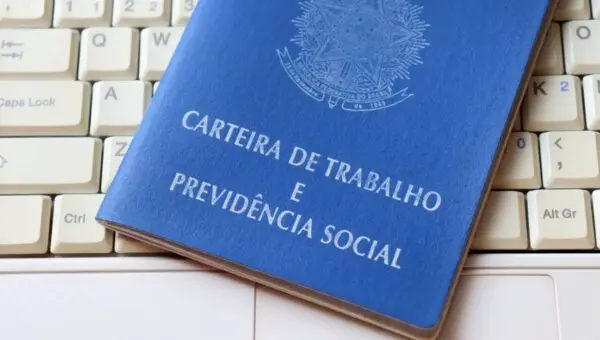 Liberação do seguro-desemprego fixa prazos para pagamento
 Demissão sem justa causa libera seguro de até R$ 2.518,65
 Benefício do trabalhador desempregado tem teto de R$ 2.518,65
 Liberação do adicional de R$ 150 no Bolsa Família exige cadastroVacinação e escola garantem saque do Bolsa Família
 Acompanhar o Bolsa Família no smartphone com NIS e CPF
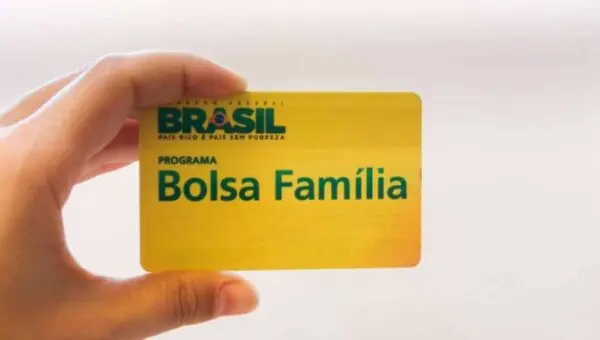 Beneficiários aprendem a movimentar valores do Bolsa Família
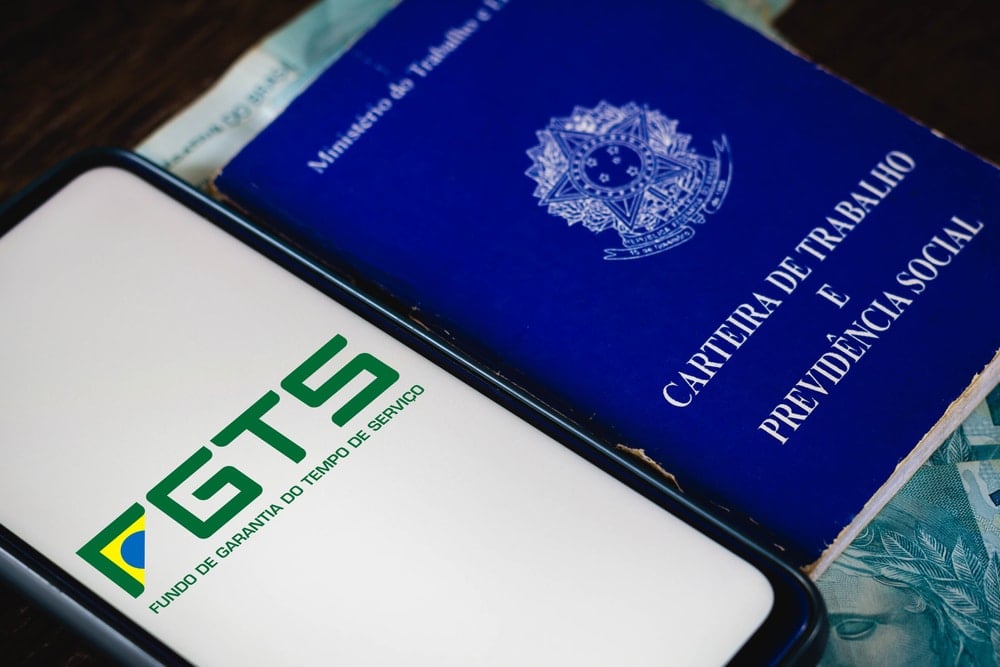 Fundo de Garantia protege renda com reserva mensal
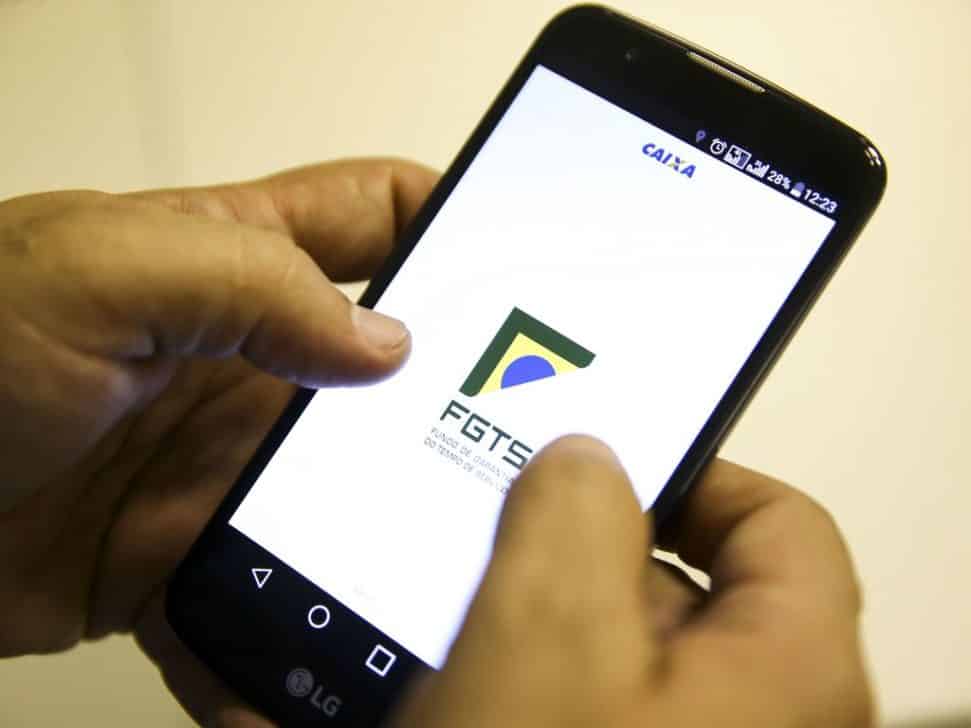 Trabalhador retira recursos do FGTS diretamente pelo celular
 Fundo de garantia banca compra e reduz prestação do imóvel
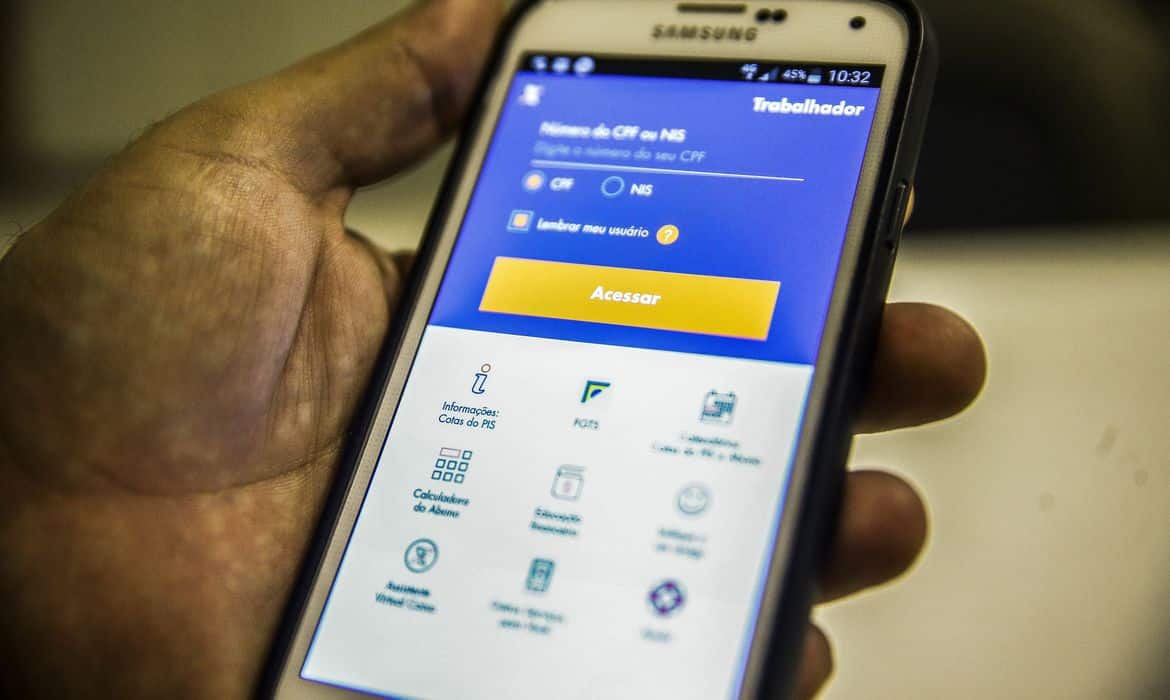 Regras do FGTS definem prazos de depósitos e saques na Caixa
Mais notícias na Mix Vale
- 1Cadastro Único impulsiona acesso a benefícios sociais com novas diretrizes para famílias de baixa renda
- 2Governo federal atualiza regras do Bolsa Família com foco na dignidade social e inclusão
- 3Inteligência artificial adota tom pessoal em contas corporativas
- 4Inteligência artificial adota padrão textual de clientes corporativos
- 5Benefício do PIS e PASEP paga até R$ 1.621 aos trabalhadores
- 6Tire dúvidas sobre abono salarial e cotas do PIS em 2026
- 7Trabalhador pode sacar benefício de até R$ 1.621
- 8Trabalhador localiza inscrição do PIS com CPF em canais oficiais
- 9Diferenças práticas entre PIS, Abono Salarial e Cotas pelo CPF
- 10Cadastros sociais usam numeração idêntica no Brasil