
Photo leak previews the definitive design of the new Volkswagen ID. Electric pole

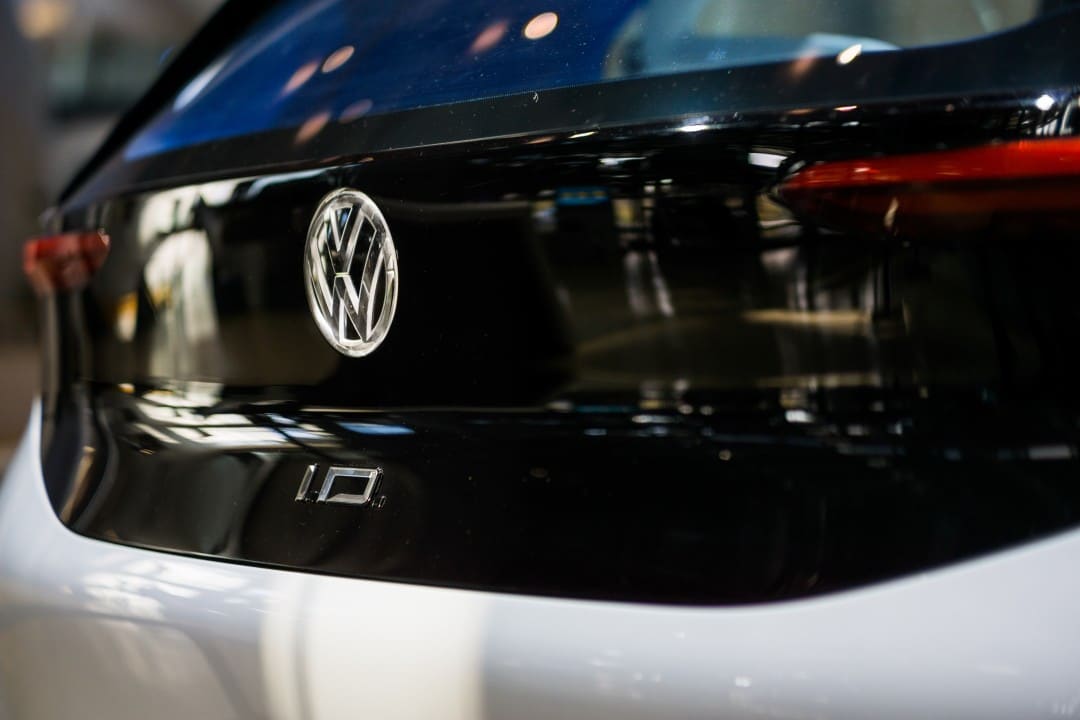
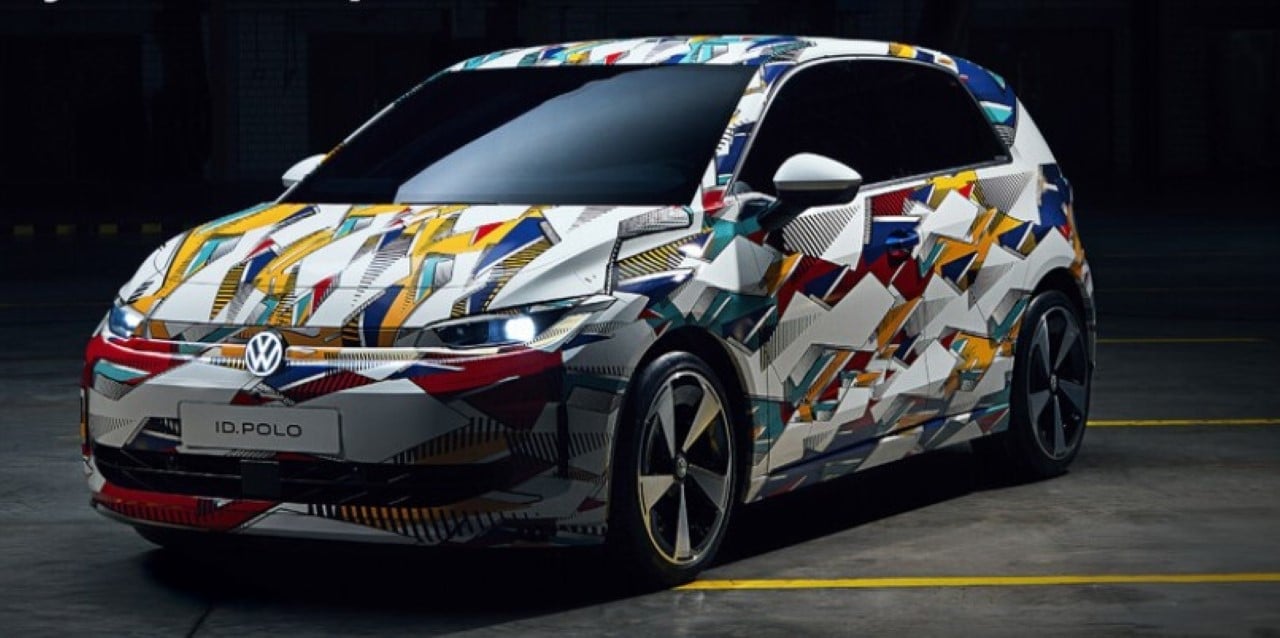
Recent Fotografias published on the social network X revealed the definitive lines of the Volkswagen ID. Polo. The compact battery-powered model had its design exposed before the official presentation, which will take place in the coming weeks. The images show the vehicle without the traditional camouflage used by the German automaker during the testing phase. The leak took place in a studio with a dark background and targeted lighting, a typical setting for closed events for the press or dealers.
The specialized magazine Auto Motor und Sport highlighted the similarities between the production vehicle and the ID.2all concept, previously presented by the manufacturer. The shape of the rear-view mirrors and the light signature on the front confirm the transition from the prototype to the assembly line. The new car is part of the company’s strategic plan to popularize electric mobility at Europa from 2026.
Vazamento exposes three different configurations of the electric hatch
The material published on the internet allows us to identify three variants of the new car. The first unit appears in yellow and displays wheels with a simplified design, indicating that it is the entry version of the catalog. A second configuration, painted in gray, features superior finishing elements and alloy wheels with a more elaborate design to attract the intermediate consumer.
The third option revealed in the images is red and carries the GTI nomenclature. Esta, the German brand’s historic acronym, identifies versions with sporty appeal and greater dynamic performance. The presence of this variant confirms that the manufacturer will maintain the tradition of offering high-performance compacts in the era of electrification. The strategy of making multiple finishing options available at the start of sales aims to reach different consumer profiles.
Updated Plataforma and dimensions aimed at urban use
The automaker’s engineering team developed the Volkswagen ID. Polo on the MEB+ architecture, an evolution of the modular base intended exclusively for electric vehicles. Esta structural update allows to optimize internal space and accommodate new battery packs in the floor. The project prioritizes energy efficiency and the reduction of production costs to maintain a competitive final price on the European market.
The car measures 4.05 meters in length, a dimension that places it at the center of the urban compact segment. The five-door body facilitates access to the cabin, while the absence of traditional mechanical components expands the free area for passengers. The trunk accommodates 435 liters of luggage, a volume that exceeds the capacity offered by the current generation of the model equipped with a combustion engine.
The mechanical package will offer different levels of power, always with front axle drive in conventional versions. The manufacturer will provide varying battery capacity options to meet each customer’s travel needs. The most efficient configuration in the catalog will achieve a range of up to 450 kilometers on a single charge, according to European measurement standards.
Retorno of physical buttons and internal design changes
The new model’s cabin presents a significant change in the company’s design philosophy. Após receiving criticism from consumers about the complexity of touch-sensitive controls in recent launches, the automaker decided to reintroduce traditional physical controls. The panel once again has conventional buttons for adjusting the climate system and controlling the volume of the audio equipment.
The digitalization of the internal environment remains present through two high-resolution screens. The instrument panel positioned in front of the driver uses a 10.25-inch display to display speed, consumption and navigation data. In the center of the dashboard, a 13-inch screen houses the entertainment and connectivity system functions.
The driving assistance systems have also received important updates for this new generation of vehicles. The technology package includes active and passive safety features that were previously restricted to higher category cars. Entre expected innovations are:
- Emergency autonomous Frenagem with pedestrian and cyclist detection on urban roads.
- Assistente lane keeping with active steering wheel trajectory correction.
- Adaptive cruise Controle tuned for heavy traffic in big cities.
- Sensores parking systems enhanced with high definition cameras for maneuvers.
The combination of analog controls and digital interfaces seeks to offer a more intuitive and safe user experience. Reducing the sole dependence on touch screens reduces driver distraction while the vehicle moves through the streets.
Estratégia market and coexistence with the combustion model
The decision to name the new electric car with a well-known name reflects a change in the manufacturer’s commercial strategy. The Volkswagen ID. Polo will leverage global nomenclature recognition to attract traditional customers into the zero-emission segment. The company understood that historical names convey trust and facilitate the acceptance of new technologies by the consumer public.
The official launch at Europa dealerships is scheduled for autumn 2026. The estimated starting price for the entry-level version is 25 thousand euros, a value considered strategic to popularize electrical technology on the continent. The production of the vehicle will take place in European factories, guaranteeing local supply and reducing the logistical costs of the operation.
The arrival of the battery-powered model will not spell the immediate end of the traditional vehicle. The automaker confirmed that the current Polo with a combustion engine will continue in production and will be sold simultaneously in stores. Esta peaceful coexistence between the two technologies allows the company to serve both customers who seek electrification and those who still prefer to supply liquid fuels.
Perspectivas for the zero-emission compact segment
The European automotive market is going through an accelerated transition phase, driven by strict environmental legislation. Offering affordable electric vehicles has become the main challenge for traditional automakers. The new compact from the German brand will face direct competition from models developed by Asian and European manufacturers who are also seeking leadership in this niche market.
The commercial viability of electric cars in the 25 thousand euro range depends directly on reducing the cost of batteries and the scale of mass production. The MEB+ platform was specifically designed to guarantee this industrial efficiency, standardizing components that can be shared with other models in the automotive group. Além Furthermore, the expansion of public charging infrastructure on European highways and urban centers by 2026 will be key to sustaining increased sales. The success of this project will define the pace of electrification of the urban fleet in the coming years and will consolidate the company’s position in the global sustainable mobility scenario, guaranteeing viable options for the average consumer.



