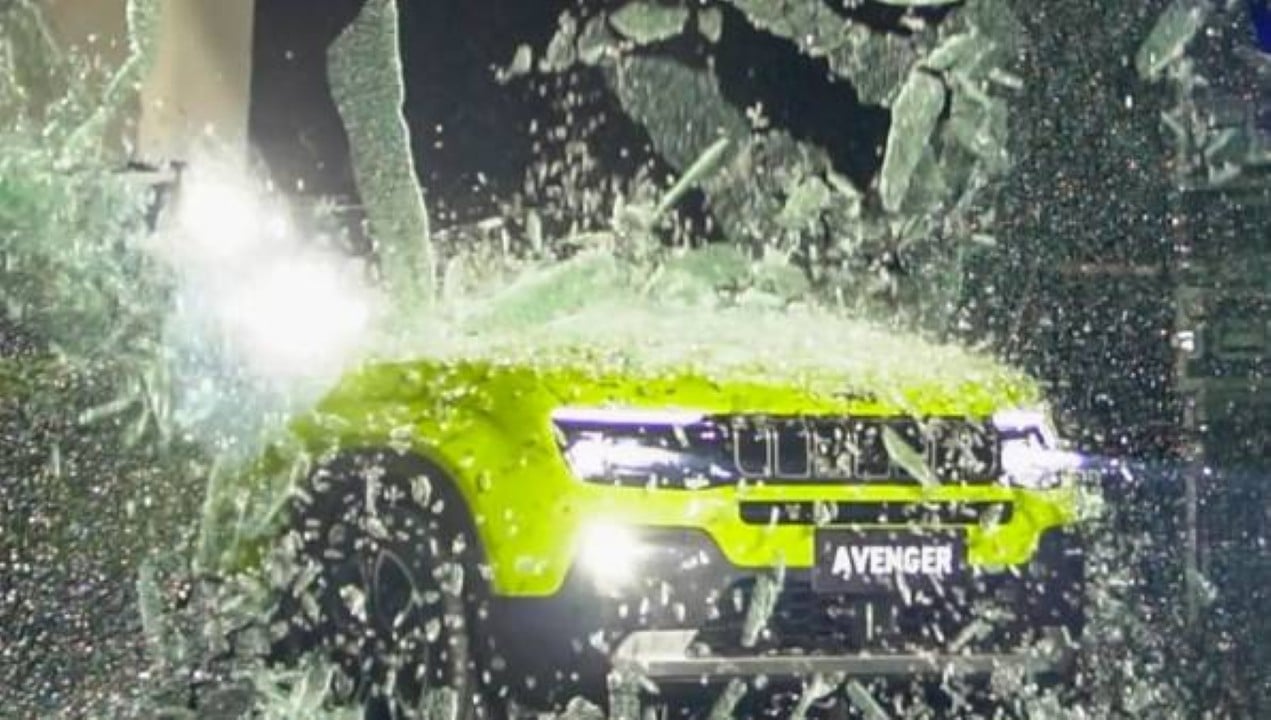
The North American automaker is preparing to introduce the 2026 line of the Jeep Renegade sports utility vehicle on the global market. The compact vehicle’s mid-life update brings aesthetic revisions to the body and profound changes to the mechanical set. The highlight of the new range of versions is the adoption of the 1.2-liter turbo gasoline engine. The unique engine works in sync with a six-speed manual transmission. The configuration expands purchasing options for drivers who prioritize direct control over speed changes during daily driving.
The design preserves the square lines that have characterized the model since its original launch. Engineers incorporated structural reinforcements into the chassis and new active safety packages for occupants. The technical renewal seeks to sustain the volume of automobile sales in one of the most competitive segments of the current automotive industry. The transition to engines with smaller volumetric displacement directly complies with new international legislation to control polluting gas emissions.
Desempenho mechanic and calibration of the new thruster
The supercharged three-cylinder engine develops 100 horsepower at 5,500 revolutions per minute. Torque peaks at 205 Nm from 1,750 revs. Power delivery at low speeds facilitates exits at traffic lights and ensures agility in urban traffic. The three-cylinder architecture reduces the overall weight of the engine compartment. The reduction in friction between internal components results in linear operation and optimizes the burning of the air and fuel mixture inside the combustion chambers.
The six-speed manual gearbox received gear scaling specific to the torque curve of the 1.2 turbo engine. The short, precise couplings offer a direct mechanical response to the driver’s commands. The sports utility vehicle accelerates from zero to 100 km/h in 10.6 seconds. The time recorded in the track tests reflects a calibration aimed at progressiveness and directional comfort. Sixth gear functions as an overdrive feature to reduce engine speed on highways.
Homologation tests indicate fuel consumption of between 5.7 and 5.9 liters for every 100 kilometers traveled in the combined measurement cycle. The energy efficiency index positions the vehicle competitively against category rivals. The luggage compartment offers 380 liters of volumetric capacity. The trunk space accommodates weekly shopping and suitcases for short trips. The internal engineering prioritized the use of the cabin without changing the external dimensions of the platform.
Modificações aesthetics and preservation of visual identity
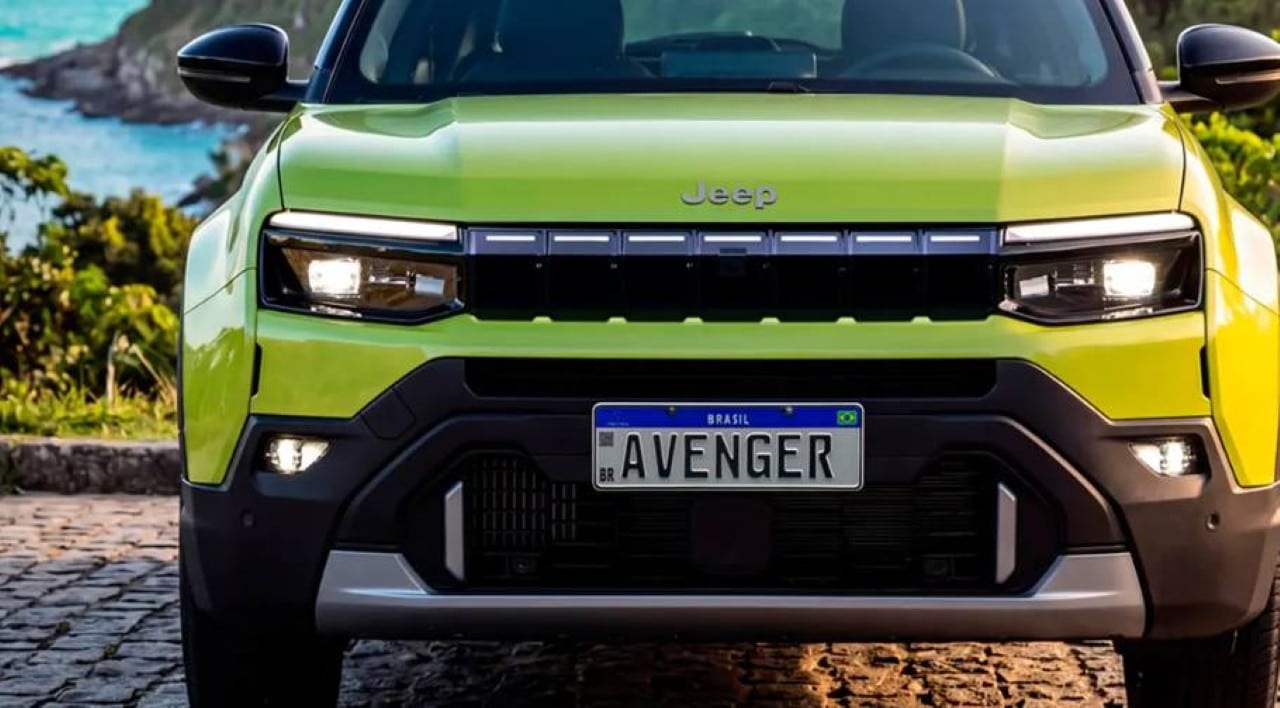
The front section of the car features a redesigned bumper with pronounced creases at the ends. The plastic part improves the vehicle’s angle of attack on ramps and ditches. The upper grille maintains the traditional seven vertical slits that identify Jeep products. The design team changed the interior grille pattern and applied new finishing materials to the frame. The modification gives a contemporary look to the front without breaking with the manufacturer’s visual heritage.
The main optical assemblies preserve the circular shape embedded in the body. LED lighting technology received new graphic arrangements and more efficient internal projectors. The white beam of light expands the driver’s field of vision during night trips and in thick fog. The rear of the utility vehicle underwent discreet interventions on the trunk lid. The headlights have darkened lenses and a new light signature for braking signals.
- Para – restyled front shock with a focus on aerodynamics and protection against small impacts.
- Grade seven-slot front with updated internal elements and textured bezels.
- Faróis LED circulars with high-intensity projectors and new lighting graphics.
- Manutenção of original dimensions with a total length of 4.08 meters.
The body measures 1.77 meters wide and 1.53 meters high. The compact size allows the driver to park in narrow spaces in condominiums and shopping malls with ease. The distance between the axles guarantees legroom for rear seat passengers. The raised roof provides comfortable headroom for taller occupants. The shock absorbers and suspension springs underwent recalibration to support the weight of the new powertrain.
Tecnologias cabin and road safety systems
The instrument panel features soft-touch plastics and fabric coverings on the doors. The fittings of the internal parts have smaller gaps and greater torsional rigidity compared to the previous model. The center console houses a 10.3-inch floating multimedia screen. The infotainment system’s processor executes commands quickly and without hiccups. The software allows the mirroring of navigation and music applications through smartphones without the need for physical cables.
The intermediate and top-of-the-line versions leave the factory with an expanded driving assistance package. Radares proximity and high-definition cameras monitor traffic around the vehicle continuously. The electronic modules activate automatic emergency braking if they detect the risk of a frontal collision. The system includes visual alerts for vehicles in blind spots and active steering correction if the car invades the neighboring lane without using the turn signal.
Portfolio Eletrificação and all-wheel drive options
The sport utility vehicle’s engine offering includes electrified alternatives for specific markets. The automaker offers a 48-volt mild hybrid system coupled to the 1.2 turbo engine. A small electrical generator provides extra energy during acceleration and resumes the car’s movement after short stops. The mechanism reduces gasoline consumption in severe traffic jams. The e-hybrid configuration achieves a combined power of 145 horsepower in the most expensive versions in the catalog.
The platform architecture also supports advanced propulsion systems. The 4xe variant uses an electric motor positioned on the rear axle of the vehicle. The mechanical arrangement provides all-wheel drive on demand and eliminates the use of the traditional cardan shaft that runs through the floor. The 2026 line also has a fully electric version powered by a set of 54 kWh batteries. The range recorded in the European WLTP cycle reaches 400 kilometers with a full charge of the energy accumulators.
Estratégia commercial and global distribution schedule
Distribution of the updated line to the dealership network begins in the first half of 2026. The automaker’s factories at Europa and América of Norte will supply international markets in the initial months of production. The company’s Brazilian branch prepares the ground for local assembly of the vehicle. The official price list and list of standard equipment for the national market depend on confirmation from the head office. The compact SUV segment requires aggressive price positioning to attract consumers.
The manufacturer’s strategy is based on offering multiple engine options under the same body. The diversified portfolio caters to buyers looking for the lowest acquisition cost to customers interested in zero-emission vehicles. The fight for category leadership forces brands to renew their products in increasingly shorter cycles. The Jeep Renegade is committed to technological updating and mechanical efficiency to maintain its commercial relevance during the transition phase to electric mobility.