

Quarenta years of waiting for an outcome are behind us. Season 3 of Euphoria came to an end on a dark and definitive note.
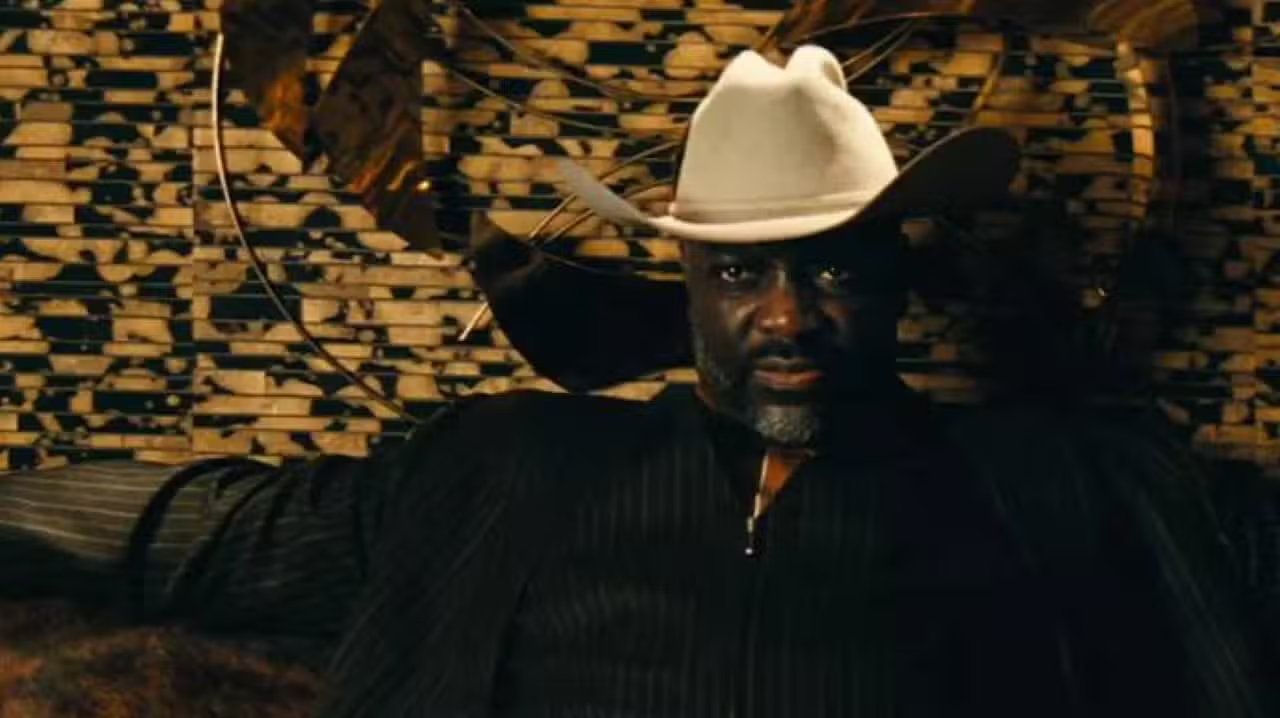
The final episode “In God We Trust” featured the death of Alamo Brown, a character played by Adewale Akinnuoye-Agbaje. The scene took place inside a strip club called Silver Slipper. The drug dealer fell after a sequence of confrontations, betrayals and shootings.
Adewale Akinnuoye-Agbaje shared details about the character’s construction. Ele delved into the psyche of Alamo, a cold man who found pleasure in manipulating situations. The actor highlighted the complex relationship with Rue, experienced by Zendaya, and how initial trust turned into betrayal.
Morte of Alamo Brown takes place in final confrontation
Alamo Brown was shot dead inside the nightclub. Ele resisted until the last moment against enemies that appeared from all sides. The execution involved a profound betrayal by his right-hand man, Bishop.
- Alamo performed one last act of resistance before falling
- Bishop unloaded his weapon at the boss
- Ali participated in the decisive clash at the venue
- Maddy Perez was present at the club during the events
The actor explained that Alamo broke his own code by trying to shoot before the agreed signal. The need to win at any cost defined his last moves.
Relação between Alamo and Rue evolves from trust to betrayal
Alamo saw a younger version of himself in Rue. Ambiciosa and fearless, the character gained space in his circle at the beginning. Essa perception changed after robberies and information passed to the DEA.
Adewale Akinnuoye-Agbaje detailed the character’s ambiguous feelings. Existia certain affection conditioned on usefulness. Qualquer signal of betrayal, however, broke the bond immediately. Rue returned passports and documents that incriminated Alamo, which accelerated the conflict.
In the penultimate chapter, Alamo sent Rue back to Laurie’s residence to retrieve goods. The young woman smuggled important evidence. Maddy confirmed the suspicions during a casual conversation in the hot tub.
Actor’s Visão on character’s motivations and faith
Alamo defined himself as spiritual, but focused on the present. Ele interpreted coincidences as business opportunities. The name Alamo, inspired by historical resistance, carried symbolism of final struggle.
The actor compared some of the character’s actions to Diabo testing other people’s faith. Offering painkillers laced with fentanyl to Rue carried this layer. Alamo saw death as something the young woman would bring upon herself.
Akinnuoye-Agbaje mentioned the regret present even in tough decisions. Para Alamo, it was about survival. “Either he or she” summed up the internal dilemma.
Traição of Bishop and crumbling of the empire
Bishop, played by Darrell Britt-Gibson, represented the final stab. Ele shot Alamo even before Ali’s shots. The right-hand man aspired to take control of the empire.
Alamo used to treat Bishop with contempt, calling him an idiot. Essa power dynamics contributed to the outcome. Kidd, another henchman, also did not act in his boss’s defense.
The actor saw the scene as a “stab in the back”. Alamo was already dead inside when he uttered the phrase “See you in hell”.
Mudanças in season 3 and expected reception
The season takes place five years after the previous events. The characters appear more adult in a tone that mixes teenage drama with a police western.
Adewale Akinnuoye-Agbaje praised Sam Levinson’s work in driving the narrative. Ele hopes audiences understand the artistic choices, especially the realistic depiction of the risks of fentanyl. The death of Rue, according to the actor, reinforces the message about chemical dependency.
The public has already shown attachment to the character Alamo, even with his actions. Muitos identified the underlying trauma and humanized the villain.
The series took on new paths in the third season. The darker, more stylized tone reflected the natural evolution of the characters.