HyperOS 3.1 system with Android 16 has early global distribution for Xiaomi cell phones
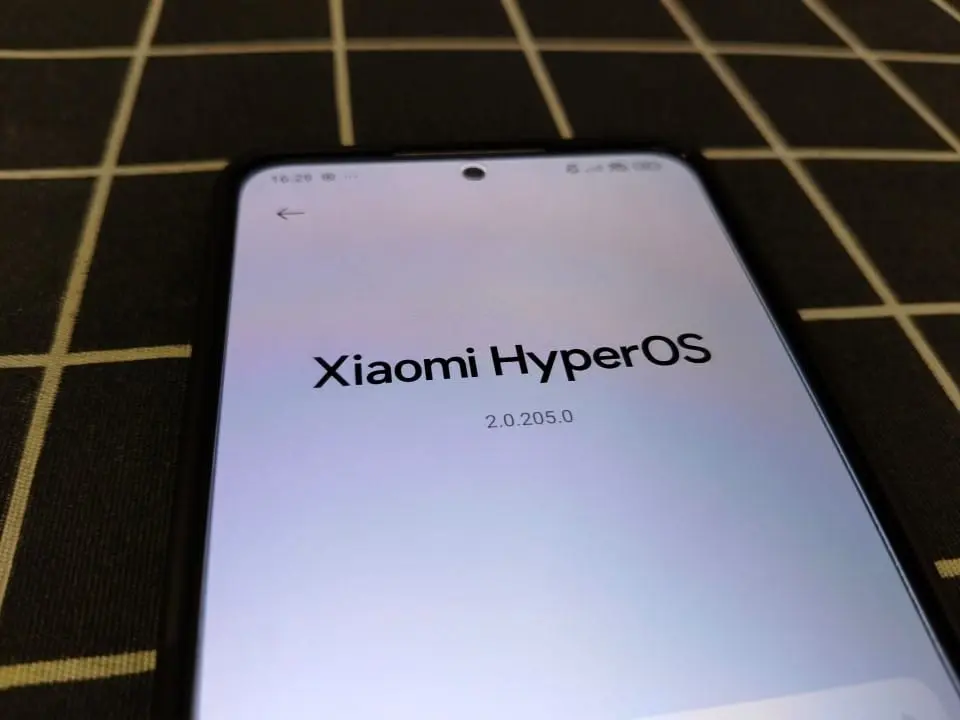
Chinese manufacturer Xiaomi has anticipated the global distribution of the HyperOS 3.1 operating system. The platform, built based on the Android 16 code, had its stable version released on the Asian market on March 23, 2026. Recent Registros located on the company’s international servers indicate that the update will reach users on other continents without going through the traditional public beta testing phase. The movement changes the brand’s launch pattern.
Essa change in the development cycle points to a high level of stability of the finished software. Compatibility of the new system remains restricted to smartphones and tablets that support the latest architecture provided by Google. Proprietários on selected devices already monitors the progress of final builds through independent update tracking platforms. The presence of ready-to-download files on servers suggests an imminent launch.
Mudança on testing and distribution schedule
The decision to skip the open public beta stage for the global market accelerates access to the system’s new tools. Engenheiros software from Xiaomi focused preliminary testing on closed groups and the Chinese market before compiling international versions. Essa strategy reduces the waiting time between the official announcement and the package arriving on consumer devices around the world. The process requires greater rigor in eliminating flaws during internal development.
OTA update logs show that global builds already have definitive digital signatures. Specialized Rastreadores, which monitor communication between the devices and the manufacturer’s servers, began displaying the installation packages in green. Esse technical indicator confirms that the software has overcome the quality control hurdles and is just waiting for the remote command to start the bulk transfer.
More on this story: Apple releases iOS 26 update with adjustable clock on iPhone screen
The requirement for Android 16 as a structural basis creates a natural cut in the list of compatible devices. Older Dispositivos, which do not have official support for the new version of the Google system, are left out of this round of updates. The limitation ensures that the hardware has enough processing power to run the new animations and connectivity features without experiencing slowdowns or crashes during daily use.
Dispositivos eligible and market priority
The distribution strategy prioritizes high-performance smartphones recently launched by the brand. The Xiaomi 17 line leads the schedule for receiving the new software package. Premium Aparelhos receive special attention from the development team to ensure that the unique camera and display functions work perfectly with the new operating system. Planning follows the market logic of valuing the most expensive products in the portfolio.
Registros of servers confirm the preparation of specific versions for different hardware variants. Modelos developed in partnership with photography brands require dedicated calibration in the system code to maintain image processing quality.
- Aparelhos of the Xiaomi 17 series, including the Xiaomi 17 version Ultra, top the priority list.
- Special Variantes with Leica technology and the Leitz Phone edition have ready-made compilations.
- Previous generation high-performance Modelos, such as Xiaomi 15T Pro and Xiaomi 15 Ultra, appear in the final tests.
- The manufacturer’s recent Tablets, with emphasis on the Pad 8 line, are part of the preliminary schedule.
The release will occur in a staggered manner, divided by regions and manufacturing batches. Esse fractional distribution method allows the company to stop shipping the software if any critical error is detected in the first few days of installation. Usuários from European and Asian countries often receive packages before Latin American markets due to local telecommunications certification issues.
On the same topic: IOS 26.2.1 update destroys battery and blocks Face ID on iPhones
Integração expanded with Apple ecosystem
The HyperConnect framework received profound updates to facilitate communication with equipment from other brands. The main new feature involves the direct connection with the Apple ecosystem. HyperOS 3.1 Usuários can transfer large files, share Wi-Fi network passwords, and sync basic notifications with iOS and macOS devices without the need to install third-party apps. The functionality breaks down historical barriers between rival platforms.
See Also

Take-Two denies rumors and confirms GTA 6 release for November 2026

Call of Duty NEXT 2026 details Modern Warfare 4 beta and arrival on the new Switch 2

Mega-Sena 3046 result: 13 bets from Pernambuco are correct and the main prize accumulates to R$ 50 million
The engineering behind this integration utilizes local area network protocols and low-power Bluetooth connections to establish a secure data exchange channel. The system recognizes nearby devices and displays sharing options directly in the smartphone’s native menu. Transfer speed reaches levels similar to those found in proprietary solutions from each manufacturer.
Essa system opening reflects a change in attitude in the mobile technology market. Xiaomi seeks to attract consumers who use computers or tablets from other brands, offering a seamless user experience. The ability to move between different ecosystems without technical friction makes smartphones in the Xiaomi 17 line more versatile options for mixed work environments.
Refinamentos visuals and updates on Hyper Island
The user interface presents modifications focused on the fluidity of navigation. The multitasking menu has adopted a new gesture system that reduces response time when switching between open applications. Transition animations have been rewritten to take advantage of the high refresh rates of modern screens. The practical result is a feeling of greater speed when executing basic everyday commands.
The Hyper Island feature has gained expanded support for interactive notifications from external developers. The dynamic area located at the top of the screen now displays media playback controls, active timers, and real-time transport app alerts. The tool consolidates important information in a reduced space. Testes performance indicators confirm that the visual update does not negatively impact battery consumption.
Learn more: Apple explains why iPhone battery drains quickly after updating iOS
The base of the Android 16 provides improvements that are invisible to the user, but essential for the device to function. Google’s background power management and new privacy protocols work in conjunction with Xiaomi’s optimizations. The system restricts application access to sensitive data more strictly and suspends inactive processes to preserve the device’s charge throughout the day.
Preparação for software installation
The absence of an official calendar outside of China requires attention from owners of compatible devices. Manually checking for updates in the system settings menu remains the most effective method to receive the package as soon as it is released in the region. Installation requires a battery charge greater than fifty percent and a stable internet connection due to the file size.
Plataformas independent monitoring devices provide real-time notifications for advanced users who want to track the status of their servers. The release of the software follows technical network capacity criteria to avoid congestion during simultaneous downloading by millions of devices. Telephone operators also participate in the approval process for devices linked to corporate plans.
The update package replaces core operating system files. The internal memory rewriting process may take a few minutes, during which time the smartphone remains inoperative. The HyperOS 3.1 architecture keeps personal data and installed applications intact during software version transitions.