
Malaysia restricts access to social networks for children under 16 and imposes fines of R$12 million

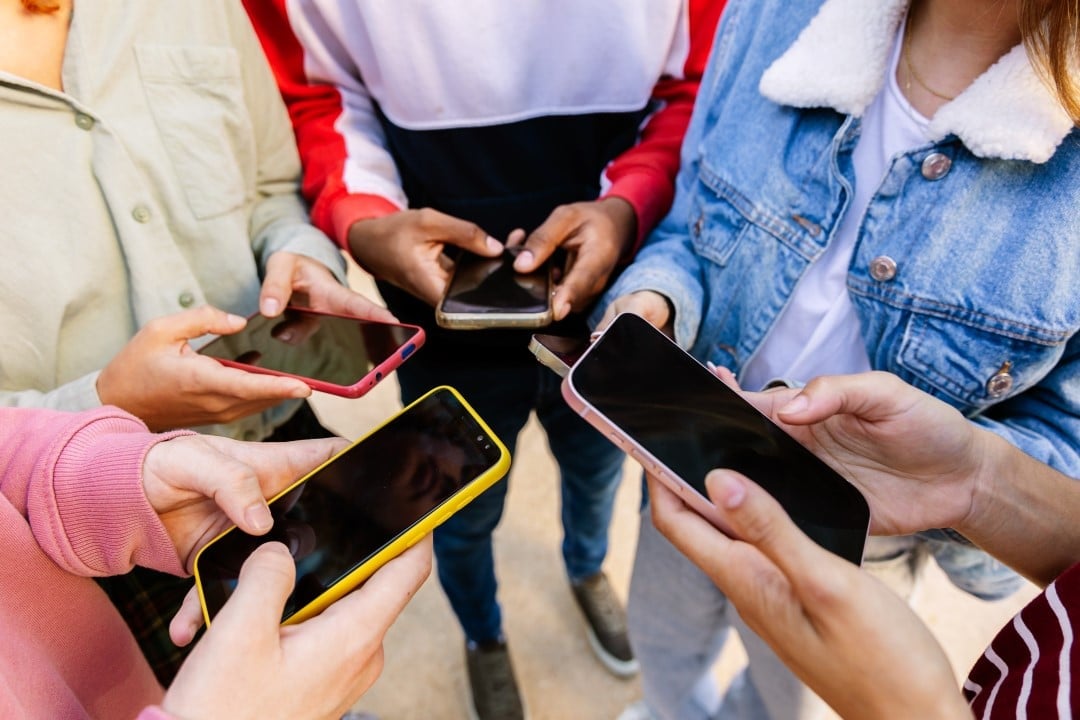
Malásia started applying a set of new rules that prevent millions of children and teenagers under the age of 16 from having active accounts on social networks. Esta move positions the country as part of a growing international effort focused on strengthening online safety for young users and protecting this vulnerable audience from digital risks.
The implemented guidelines require major social media platforms to establish robust age verification systems. The main objective is to prevent individuals under the stipulated age from creating profiles, ensuring safer browsing on the internet.
Novas requirements for digital platforms
The new regulations apply to digital platforms with a minimum of 8 million active users in the country. Entre The social networks affected by the rules are giants such as Facebook, Instagram, TikTok and YouTube. The Malaysian government aims to cover a wide spectrum of online services where children and teenagers are often exposed to diverse content.
Companies that fail to comply with the new guidelines could face severe financial penalties. Fines can reach up to 10 million ringgit, a value that translates into approximately R$12 million, demonstrating the seriousness with which the Malaysian government treats the issue. The legislation, however, does not provide for sanctions for parents whose children manage to circumvent the law and access the platforms.
The government justifies the measures as an essential shield for minors. The intention is to protect them from harmful content, such as inappropriate or violent material, and to prevent cyberbullying, which affects the mental health of many young people. Além Furthermore, the rules aim to mitigate the effects of manipulative design features that encourage excessive use of platforms, combating digital dependence.

Iniciativas global online protection
Malásia’s decision aligns with similar movements observed in several countries around the world. Várias nations have introduced or announced age-based restrictions and requirements for children’s access to social media. The international scenario shows a growing concern about regulating the digital environment to protect young people.
- Austrália
- Brasil
- Indonésia
- Grã-Britain
- França
- Espanha
- Dinamarca
- Tailândia
- Coreia from Sul
Comissão of Comunicações and Multimídia of Malásia clarified that the rules do not seek to prevent children from accessing the internet or digital technology. Instead, the legislation sets clear expectations for service providers, requiring them to combat online harms and implement age-appropriate safeguards. “These measures help strengthen the protection of children online, while providing additional security for parents as they navigate increasingly complex digital risks,” the regulator said in an official statement.
Proteções by design and grace period
Platforms will now be required to introduce “safety-by-design” features. Isso includes the implementation of specific protections against manipulative designs that may encourage compulsive use of networks. Companies must also intensify measures against accounts created by minors and the dissemination of content considered harmful.
Tech companies have not yet publicly detailed how they plan to fully comply with the new, sweeping requirements set out by the Malaysian government. The complexity of implementing effective age verification and content moderation systems poses a significant challenge for global platforms. The regulatory body said it will grant an appropriate grace period. Este deadline will allow platforms to complete adaptation and implementation of necessary age verification systems before penalties come into force more stringently.
Preocupações and application challenges
The restrictions imposed by Malásia come at a time of increasing global pressure on governments to address the impacts of social media on young people’s mental health and online safety. The discussion about the responsibility of technology companies intensified after relevant court cases. In March, a jury in the US, for example, ordered Meta and YouTube to pay millions of dollars in damages, in a case that alleged that the design features of their platforms contributed to harm suffered by a young user.
Apesar many parents’ support for the new regulations, Malásia’s move also raised important concerns about the privacy of users’ data. Benjamin Loh, professor of social sciences at Universidade Monash, at Malásia, noted that the country’s approach “is very much following the trend, but in a way that raises red flags due to the requirement of a government ID for age verification.” The collection and storage of identification documents raises questions about the security and use of this information.
Clara Koh, Meta’s public policy director for Sudeste Asiático, warned in April that a blanket ban on under-16s could backfire. Ela suggested the move could steer teens away from protected apps and encourage them to migrate to “unregulated corners of the internet” where they would be even more exposed to risk. Koh highlighted that Meta has already launched “teen accounts” aimed at those under 18, which include contact limitations, screen time control and restrictions on exposure to inappropriate content.
Loh also noted that experiences in other countries indicate that age-based restrictions have not yet proven to be consistently effective. The absence of penalties for parents, according to the professor, could create a significant gap in the legislation. “This is a major loophole that, unless regulators are willing to fix, will result in the law having little effect in preventing children from using social media,” he added, suggesting that families could easily get around the ban.





