
US attacks Iranian radars; Iran responds with missiles to the American base in Kuwait, in new escalation

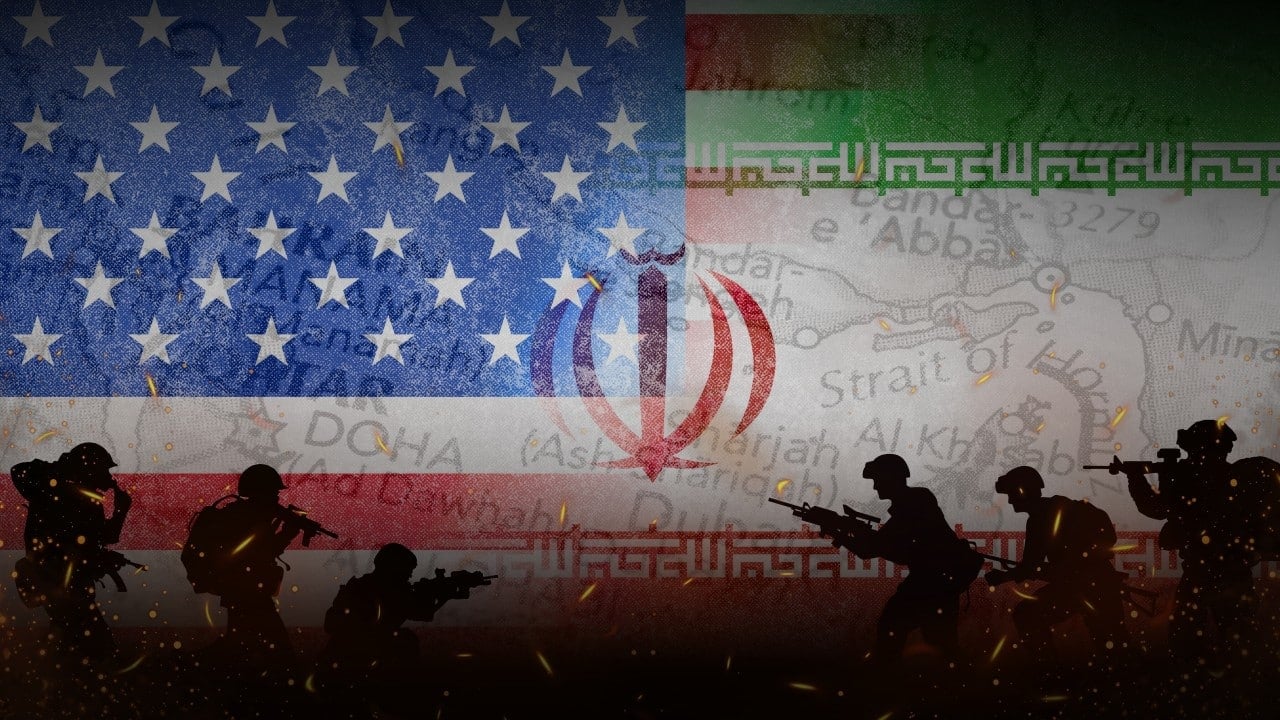
Os Estados Unidos and Irã exchanged military attacks over the weekend, marking the third escalation of tensions in just one week in Estreito’s Ormuz region. American As Forças Armadas claimed to have struck Iranian installations, while Teerã claimed to have struck back against a military base used by US troops in Kuwait. The series of clashes comes at a delicate time, where negotiations for a lasting ceasefire do not show substantial progress.
The incidents highlight the fragility of the geopolitical situation in the area, vital for global energy flow. The actions by both sides came after the US Comando Central (Centcom) reported the shooting down of an American drone in international waters, claiming that the incident provoked the “self-defense” attacks. Enquanto that, Kuwait confirmed the confrontation with “hostile” missiles and drones on its territory, increasing concerns about regional stability.
Nova exchange of military attacks intensifies tensions
US Comando Central (Centcom) reported launching “self-defense attacks” against Iranian military installations last weekend. The action was a direct response to “Irã’s aggressive actions,” which included the shooting down of an American drone over international waters. Caças Americans were mobilized to attack specific targets, aiming to neutralize perceived threats in the region.
In turn, Guarda Revolucionária Islâmica of Irã (IRGC) declared that it had retaliated with an attack on an air base. Essa installation is allegedly used by American forces, according to information released by Irã. The exchange of accusations and subsequent attacks occurred during a period of stalled negotiations.
Posicionamento from USA and Irã about the clashes
US President Donald Trump expressed his views on events in a post on Truth Social on Monday morning. Ele urged his critics to “relax”, stating that “everything will end well” and that Irã “really wants to make a deal, and it will be a good deal for the US.” The statement sought to minimize rising tensions.
Em Teerã, the spokesperson for Ministério’s Relações Exteriores’s Irã stated that Estados Unidos were “constantly changing their minds and presenting new or contradictory demands.” Ele highlighted that such a stance would “naturally prolong the negotiations”, making any progress difficult. The country’s main negotiator had already declared on Sunday that Irã would not accept any agreement without the full guarantee of its rights. Satellite Imagens also indicates that Iranian attacks have damaged 20 US military installations since the start of the conflict, reinforcing the scale of the clash.
Estreito of Ormuz and the ceasefire negotiations
Estreito of Ormuz, a crucial sea route, remains under stress due to continued attacks and effective blockade. Approximately one-fifth of global oil and liquefied natural gas (LNG) shipments flow through this passage, and its closure has significantly impacted international oil prices. The strategic importance of the strait is one of the central points in the negotiations.
Talks for a deal to end the months-long war showed no progress over the weekend. The American press, including CBS News, reported that president Trump requested changes to the terms of the agreement. The changes are directly related to Estreito from Ormuz and the removal of highly enriched uranium from Irã, items considered crucial to regional and global security.
Detalhes of intercepted air strikes and missiles
As Forças Armadas of the US reported carrying out “self-defense strikes against Iranian radars and drone command and control centers” on Saturday and Sunday. Targets included the city of Goruk, near the southern coast of Irã, and Qeshm, a strategic island in Estreito of Ormuz. Essas actions aimed to neutralize perceived threats.
In a post on Platform X, Centcom detailed that American fighter jets attacked Iranian air defenses, a ground control station and two drones. The command stated that these drones “represented a clear threat to ships transiting regional waters”, justifying the intervention. Centcom assured that no American service members were injured during the attacks.
- Ataques of US self-defense against radars and Iranian drone command and control centers in Goruk and Qeshm.
- American Caças hit air defenses, ground control station and two Iranian drones.
- Guarda Revolucionária Islâmica of Irã attacked air base used by American forces.
- Dois Iranian ballistic missiles targeting American forces at Kuwait were intercepted.
- Forças of Kuwait confronted “hostile” missiles and drones, with air warning sirens blaring.
Ministério’s spokesman Relações Exteriores’s Irã classified the American attacks as a violation of the current ceasefire. Guarda Revolucionária Islâmica (IRGC) claimed to have struck the base that, according to Teerã, the US used to attack a communications tower at Ilha Sirik, at Golfo Pérsico. In statements released by the semi-official news agency Fars, Forças Armadas of Irã warned that their response would be “completely different” if the American aggression were “repeated.”
Kuwait’s Reações and regional scenario
As Forças Armadas of Kuwait reported on Monday morning that they were “facing hostile missile and drone attacks” on their territory. State news agency KUNA reported that air warning sirens were sounded across the country, indicating the seriousness of the situation. Kuwait’s sovereignty was directly threatened by the incidents.
Posteriormente, Ministério of Relações Exteriores of Kuwait issued a statement condemning “in the strongest terms” the “heinous and repeated Iranian attacks.” The document called the actions a “dangerous escalation and direct attack” on Kuwait, undermining efforts to reduce tensions in the region. The country declared that it reserved the right to “take all necessary measures” to defend itself. The previous week, Teerã had already attacked an airbase on Kuwait in retaliation for previous US airstrikes, which aimed to prevent the mining of the shipping channel by Iranian boats and missiles.
Desdobramentos on the nuclear deal and Líbano
Embora a ceasefire was in effect since April 8, Trump has repeatedly suggested that the US and Irã are close to a permanent agreement, with negotiations progressing. Contudo, to date, no formal agreement has been reached. Uncertainty persists, and Friday’s meeting for a “final decision” on whether to extend the ceasefire ended without clarity.
The latest terms include a 60-day cessation of violence and a call for Estreito to reopen Ormuz. The agreement would also provide a framework for reopening negotiations on Iran’s nuclear program, which Teerã has always defended as peaceful. However, Irã’s Ministério’s Relações Exteriores spokesman Esmail Baghaei denied on Monday that details of the nuclear dossier had been discussed. Ele reiterated that the current priority is to “end the war.” An end to the conflict in Líbano, where the Hezbollah group, supported by Irã, launched rockets at Israel, is an “essential condition” for any agreement, Baghaei said. Relações Exteriores’s Relações Exteriores minister, Abbas Araghchi, confirmed in a LinkedIn post that the ceasefire is “unequivocally a ceasefire on all fronts, including in Líbano”, holding the US and Israel responsible for any violations.





