
Geely reduces the price of the Xingyuan in China and adds a new battery to extend the electric vehicle’s range

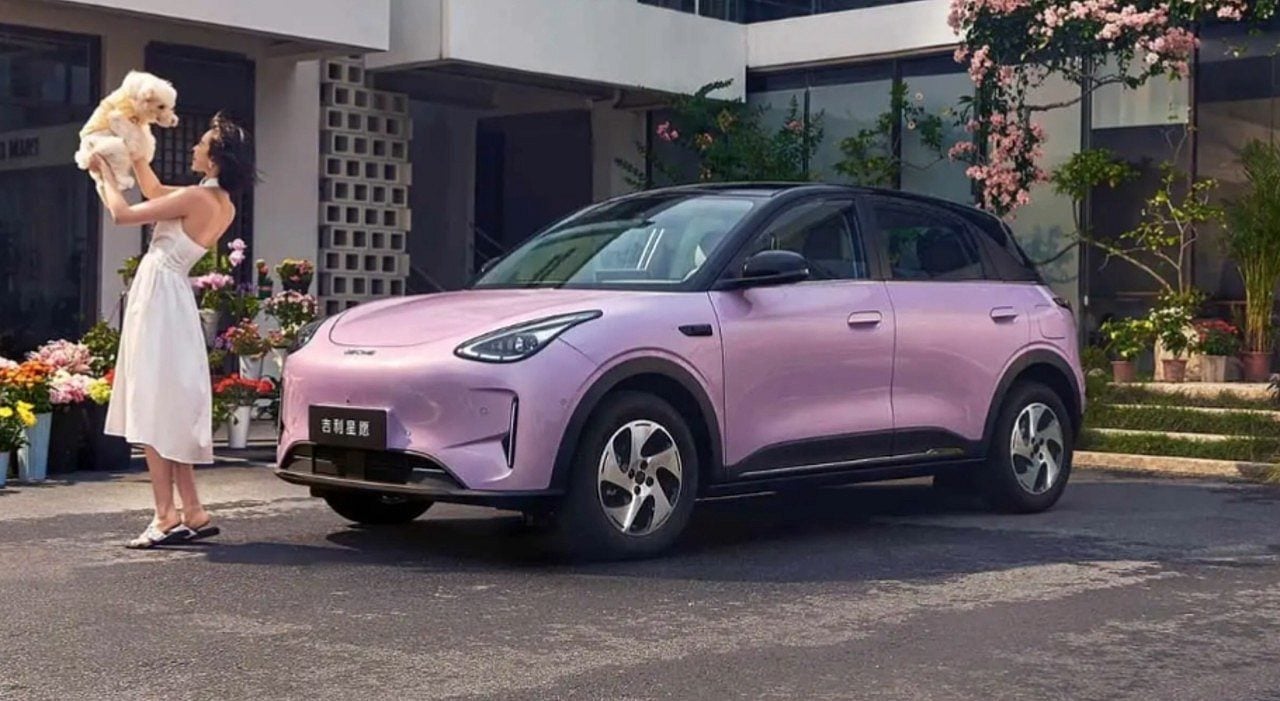
Chinese automaker Geely announced a profound update for the Xingyuan (EX2) model, the most sold electric car in China during the year 2025. The compact vehicle receives substantial improvements in its software architecture, battery options with greater storage capacity and a market repositioning with a temporary reduction in the entry price.
The strategic move occurs in a scenario of intense trade dispute in the Asian automotive sector. The manufacturer seeks to maintain its sales leadership in the face of the aggressive arrival of new competitors in the electrically powered compact segment. The update delivers advanced driver assistance technologies and greater energy efficiency, ensuring that the product remains attractive to urban consumers seeking sustainable mobility.

Avanços in autonomous driving assistance system
The technological highlight of the new version of Geely Xingyuan (EX2) is the integration of the Geely Afari Smart Driving (G-ASD) system. Esta platform operates based on artificial intelligence algorithms to manage vehicle functions. The technology was initially presented during the CES fair at the beginning of the year. The package represents a fundamental step towards the company’s plans in the field of large-scale autonomous driving.
The implementation of G-ASD in the compact model adds features that were previously restricted to higher categories. The driver now has automated navigation on autopilot, facilitating movement on expressways and highways. The system also manages the car’s autonomous parking. Sensores and cameras map the space and execute the maneuver without the need for human intervention on the steering wheel or pedals.
Outra new to the security package is the introduction of sentry mode. The feature uses a set of external cameras to monitor and record the car’s surroundings while it remains parked. Previous versions of the EX2 did not offer this continuous surveillance functionality. The addition raises the owner’s property security standard and inhibits vandalism or theft on public roads.
With these innovations, the model positions itself competitively against direct rivals in the Chinese market. The BYD Seagull, for example, makes the God’s Eye assistance system available only as an optional item in specific configurations. Geely’s decision to standardize advanced technologies reinforces the brand’s commitment to democratizing access to cutting-edge systems in high-volume production vehicles.
Nova battery increases running and charging capacity
The electric vehicle’s autonomy received special attention from the automaker’s engineers. The updated Geely Xingyuan (EX2) line now offers a third battery option, now with a capacity of 47 kWh. Este new energy storage component complements the portfolio already existing at dealerships, expanding the car’s range for longer trips.
The compact’s mechanical structure maintains the engine options known to the public. The catalog presents the following propulsion and storage configurations:
- Entry Versão equipped with 80 horsepower engine and 30.12 kWh battery.
- Intermediate Configuração with 114 horsepower engine and 40.16 kWh battery pack.
- Nova top-of-the-line version with 47 kWh battery, designed to maximize the distance covered between recharges.
The model equipped with the new 47 kWh package can achieve a maximum range of 480 kilometers, equivalent to 298 miles. Este data is based on Ciclo of Teste of Veículos Leves of China (CLTC). The Asian measurement standard tends to present more optimistic results when compared to international protocols, such as the WLTP used in the Europa or the environmental agency standards for the Estados Unidos.
Efficiency in the recharging process also saw a significant leap in performance. The improved electrical system allows the battery to recover its charge from 30% to 80% in just 19 minutes when connected to fast charging stations. The previous model required around 30 minutes to complete the same cycle. The reduction in waiting time optimizes the driver’s routine and makes it easier to use the car on road trips.
Estratégia pricing aggressively in Asian market
The commercial dynamics at China require quick responses from car manufacturers. Para boost sales of the new version, Geely applied a temporary cut to the price list of Xingyuan (EX2). The entry-level model is now sold for a starting price of US$9,133 in the local market. The amount represents a considerable reduction compared to the US$9,700 charged for the previous year’s version.
The vehicle’s most complete configuration, which includes the new, larger-capacity battery and all driving assistants, hits stores with an estimated price of US$14,000. Esta aggressive pricing policy reflects the current scenario of the electric mobility sector in the Asian country. Automakers wage a constant price war to attract consumers and sell production amid a growing supply of new products.
Recent financial reports help explain the manufacturer’s stance. Apesar from holding the title of best-selling car, the EX2 showed a decline of approximately 3% in the volume of registrations in the annual comparison. The slight drop raised an alert among the company’s management. The proliferation of compact electric models with similar values forced the brand to accelerate the update cycle to avoid losing market share.
Atualizações software and original design preservation
The internal environment of the Geely Xingyuan (EX2) received improvements focused on connectivity and user experience. The central panel now operates with the Flyme Auto 2.0 multimedia system, developed by the automaker itself. The main new feature of the software is the native integration with the Apple CarPlay platform. The functionality meets a long-standing demand from drivers who use smartphones for GPS navigation and media consumption during their journeys.
In the visual aspect, the manufacturer opted for a conservative approach. The bodywork maintains the general lines of the model that already circulates in large numbers on the streets of Chinese cities. The aesthetic changes are limited to specific details, such as the introduction of a new design for the alloy wheels. The customization catalog also saw the addition of two new color options for the exterior paintwork.
The decision to preserve the exterior design allows the company to direct its financial resources towards improving onboard technology and energy efficiency. Evitar a profound restyling reduces production costs and enables a reduction in the final price of the product. The strategy focuses on delivering real value to the customer through standard equipment and greater driving range.
The automaker’s strategic planning foresees the commercial expansion of the updated model in the short term. The automotive sector’s expectation is that the Xingyuan (EX2) with the new specifications will begin to be exported to international markets in the coming months. The initiative aims to globalize the brand’s technological innovations and consolidate the Chinese manufacturer’s presence in different continents around the world.





