
After eliminating Novak Djokovic, João Fonseca falls to Jakub Mensik in the quarterfinals of Roland Garros

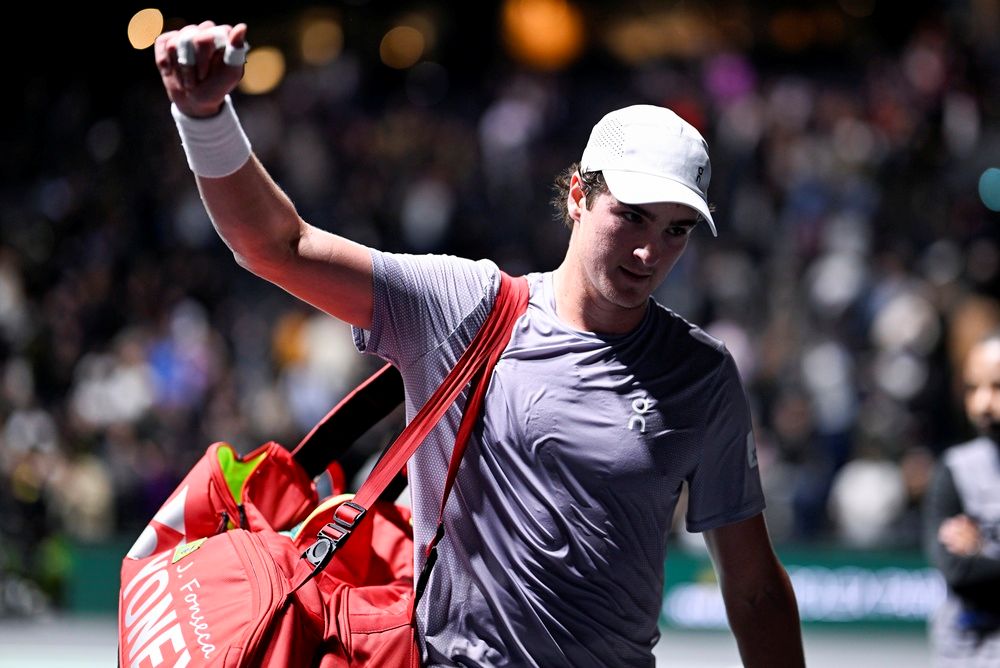
Brazilian tennis player João Fonseca ended his participation in the Roland Garros main draw this week. The 19-year-old athlete was defeated by the Czech Jakub Mensik in a duel valid for the quarter-finals of the tournament played in Paris. The match ended with a score of 3 sets to 0 for the European. The clash required two hours and forty-four minutes of intense competition on French clay.
The elimination marks the end of a surprising campaign for the young man on the world circuit. The negative result does not erase the weight of the victories achieved in the previous rounds of the competition. The overall performance raised the level of national sport in the current season. Analistas internationals classified the carioca’s trajectory as a milestone of renewal for the sport.
The decisive clash against Jakub Mensik on Center Court
The eliminatory duel presented a very high level of physical demand from the first serves. Jakub Mensik entered the court with a defined strategy to neutralize the South American opponent’s returns. The Czech player applied deep strikes. Essa tactic pushed the Brazilian to the back of the court and made it difficult to build offensive plays. The service interruptions occurred at the exact moments of Rio’s instability.
The first two sets showed the European tennis player’s tactical dominance in crucial points. The score of 6/4 and 6/3 reflected the consistency of the server in the defining games. The panorama changed during the third period of the clash. João Fonseca calibrated the right and began to confirm its services with greater ease. The partial had to be decided in the tie-break.
The tiebreaker game tested the emotional control of the two young professionals. Jakub Mensik made fewer unforced errors and closed the count at 7-3. The handshake at the net sealed the mutual respect between the competitors. The winner made a point of praising his opponent’s stance right after the game ended. Public recognition validates the carioca’s revelation status on the European scene.
Caminhada historic with wins over Novak Djokovic and Casper Ruud
The arrival of Grand Slam to the quarterfinals represented an unprecedented feat in the athlete’s career. The route to the top eight group involved clashes against renowned names from the tennis elite. The first big test came in the second round against Croatian Dino Prizmic. The Brazilian needed five sets to overcome physical exhaustion and advance in the group.
The climax of the campaign came in the third phase of the Paris tournament. João Fonseca eliminated the Serbian Novak Djokovic in a match that surprised the spectators present at the sports complex. The young man demonstrated unusual coolness to defeat the multi-time champion. The victory over one of the biggest names in the history of the sport put Brasil in the headlines of the main media outlets on the planet.
The next challenge in the round of 16 required tactical adaptation against a clay court specialist. Norwegian Casper Ruud came in as favorite due to his recent history of finals in Paris. The Brasil tennis player ignored other people’s favoritism and imposed his game rhythm. The triumph consolidated the current edition of Roland Garros as the event with the highest number of Brazilian victories in the open era.
Impacto in world rankings and transition to grass season
The points accumulated in the French capital will significantly change the player’s position in the Associação and Tenistas Profissionais table. The update of the world ranking will guarantee a significant jump in the general classification. The new positioning offers logistical advantages for the rest of the calendar. Direct access to the main draws eliminates the need to play in qualifying tournaments.
The technical committee is now beginning planning for the drastic change of surface. The international circuit leaves the slow clay courts and moves on to the fast grass courts. The adjustment requires adaptations in leg movement and response time to serves. The preparatory training is aimed at the British tournaments leading up to the next Grand Slam of the year.
Injury prevention gains top priority in this transitional phase of the sporting calendar. The natural slipping of the dirt gives way to the short steps required by the grass. The athlete’s multidisciplinary team mapped the muscle wear accumulated over the last two weeks. Physiological data will guide the physical exercise load in the next few days of preparation.
Avaliação of physical performance and maturation on the circuit
The final balance of participation in França generated positive reflections on the part of the athlete. The tennis player explained that he traveled to the tournament without creating unrealistic classification goals. Technical evolution occurred gradually with each training session at the complex. The athlete viewed the winning streak as a transformative experience in his professional career.
The analysis of the elimination did not generate undue frustration among the technical team. The player assessed that he maintained a high standard of hitting during the confrontation against the Czech. The merit of the result fell on the defensive capacity of the European opponent. The difficulty in finding gaps in the rival defense served as a tactical lesson for the next commitments.
The gain in physical endurance in long matches was the main point of evolution detected by the team. The athlete’s body withstood the demands of intense rallies against older and more experienced opponents. Conviction in his own work increased after the fire tests on the French courts. Understanding your own physical limits will dictate the pace of future competitions.
Raio-x from the Brazilian’s campaign on French clay
The event organizers compiled statistical data that summarize the young man’s journey through the tournament. The numbers reflect the intensity of the clashes played in the men’s main draw.
Abaixo are the main records of the eliminatory clash and the general trajectory:
- The quarter-final clash lasted exactly two hours and forty-four minutes.
- The final score was 3 sets to 0 in favor of tennis player Jakub Mensik.
- The partials of the decisive game were recorded as 6/4, 6/3 and 7/6.
- The third set ended in a tie-break with a score of 7-3 for the European.
- The campaign included impressive victories against Dino Prizmic, Novak Djokovic and Casper Ruud.
- The Brazilian athlete ended his participation at 19 years of age.
The end of activities at Paris marks the beginning of a new training cycle. The knowledge gained from clashes against the tennis elite will serve as a foundation for the future. National sport once again has a competitive representative in the acute phases of the biggest tournaments in the world. The technical team’s expectations now turn to the results on the European fast courts during the second half of the year.





