
Diana Shnaider wins second set against Aryna Sabalenka and extends dispute in the quarterfinals of Roland Garros 2026

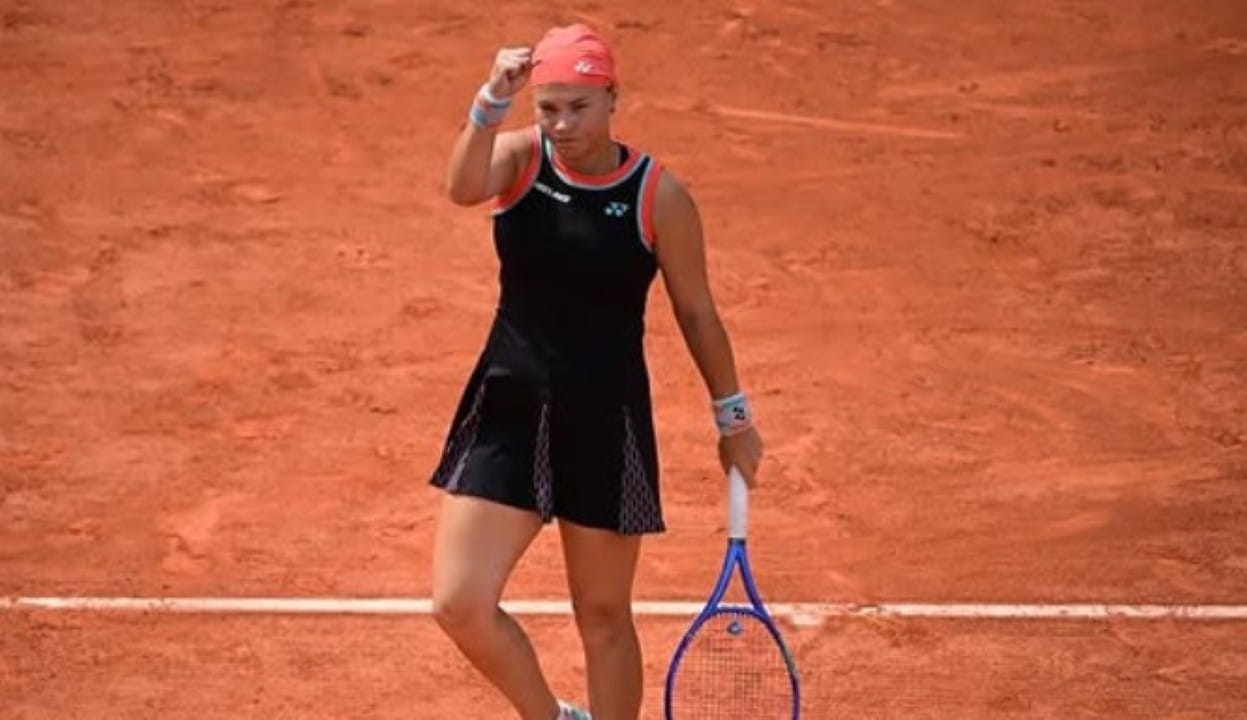
Russian tennis player Diana Shnaider secured victory in the second set against Belarusian Aryna Sabalenka during the quarter-final stage of Roland Garros 2026. The clash takes place on the traditional Court Philippe-Chatrier court, located in the city of Paris. The match is tied with one half for each side. The athletes compete intensely for a place in the semi-final stage of the women’s singles competition. The confrontation on French clay requires a high level of concentration. The winner will be determined in the third and final set.
The balance on clay of the Court Philippe-Chatrier
The world number one started the duel demonstrating technical superiority. Aryna Sabalenka closed the first set with a score of 6-3. The tennis player delivered powerful blows from the back of the court. Essa’s initial strategy put strong pressure on the opponent. The fast pace seemed to lead to a quick victory for the leader of the ranking. However, the scenario changed drastically following the match.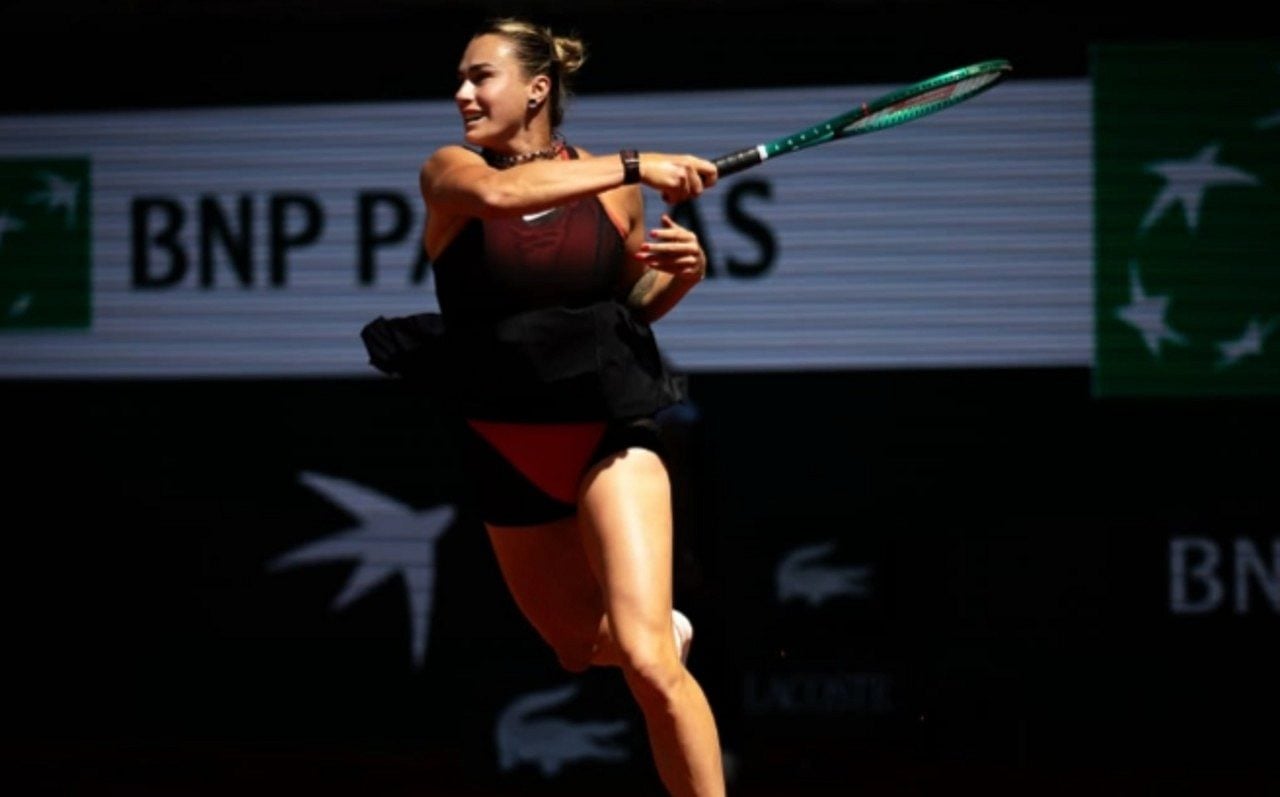
Diana Shnaider adjusted his positioning and found answers to his opponent’s attacks. The current twenty-third place in the WTA ranking showed resilience. Ela won the second set 7-5 in a close contest. The break in service in the final moments was fundamental to the turnaround in the partial. The public present at the sports complex follows each point with great expectation. The atmosphere at Paris reflects the importance of the tournament.
Clay is a surface that naturally slows down the ball. Esta characteristic requires greater physical preparation and patience when exchanging passes. The two competitors need to adapt their strategies for the decisive set. The wear accumulated in previous partial runs can influence physical performance. The ability to maintain mental focus will be the difference in advancing in the main draw.
Desempenho tactics and matchup statistics
The numbers recorded so far illustrate the parity between the players. Detailed fundamental analysis reveals the strengths and vulnerabilities of each athlete on the court. The service has played a crucial role in building the plays.
- Aryna Sabalenka scored two aces in the match, while Diana Shnaider scored just one.
- The leader of the ranking committed three double faults against one from the Russian tennis player.
- The use of the first service shows Shnaider with 75% accuracy, surpassing Sabalenka’s 72%.
- Sabalenka won 60% of the points played with his first serve, compared to 51% for Shnaider.
- The total number of service points gained points to Sabalenka’s advantage with 54 points compared to Shnaider’s 36.
- Ambas the tennis players managed to convert four service breaks during the first two sets.
One statistic draws attention to the Russian tennis player’s performance. Diana Shnaider won 69% of the points when it needed to use the second service. Aryna Sabalenka only achieved 36% in the same situation. Esta difference in the efficiency of the second serve helped to balance the actions in the second set. The protection of the service itself becomes vital in the final stretch of the clash.
The conversion of break points shows that both players managed to threaten the opponent’s serve. The draw with four breaks for each side highlights the instability in service games at certain times. Aggressiveness in returns has generated valuable opportunities. Precision in moments of pressure defines the course of longer games. Emotional control dictates the pace of tactical choices.
Trajetória of tennis players and positions in the WTA rankings
The professional history of the two athletes adds elements of rivalry to the meeting. Aryna Sabalenka carries the weight and responsibility of occupying the top of the world rankings. The number one position requires consistency in all tournaments played throughout the season. The athlete seeks to confirm her favoritism and add another Grand Slam trophy to her gallery. External pressure for significant results is a constant in your career.
On the other hand, Diana Shnaider enters the court with the motivation to surprise the main favorite. The twenty-third place in the WTA is trying to consolidate her name among the main forces on the women’s circuit. A victory over the leader of the ranking represents a significant milestone in your professional career. The gain in confidence after winning the second set propels the athlete towards the decisive part. Ascension in the ranking depends on solid campaigns in events of this size.
Previous direct confrontations between the two tennis players serve as a basis for the tactical study of the technical teams. Cada details of the game pattern are analyzed in detail before entering the court. Live streaming allows millions of viewers to follow the evolution of the score. Women’s tennis has presented matches of a very high technical level this season. The unpredictability of results attracts the attention of the specialized media.
Contexto tournament history and challenges in Paris
The Roland Garros 2026 edition is part of the select group of four Grand Slam tournaments on the world calendar. The competition takes place between May 18th and June 8th in the French capital. The event brings together the international tennis elite in search of consecration on clay. The clay surface has unique characteristics that challenge competitors to adapt. The tournament requires a combination of strength, endurance and tactical intelligence.
The current title holder in the women’s singles category is North American Coco Gauff. The champion of the previous edition defends her crown and carefully watches the unfolding of the brackets. The fight for a place in the semi-final intensifies the rivalry between the contenders for the trophy. Chegar in the quarter-final stage already guarantees important points in the ranking and a considerable financial prize. The ultimate goal remains to win the Suzanne-Lenglen cup.
The outcome of the match between Diana Shnaider and Aryna Sabalenka will define one of the semifinalists of the competition. The winner will need to recover her physical condition quickly for the next challenge. Grand Slams’s tight schedule offers little time to rest between decisive rounds. The physiotherapy and physical preparation team works intensively behind the scenes. The Parisian tournament does not forgive planning failures or drops in performance.
The next games at Court Philippe-Chatrier will seal the fate of the two competitors. The tension reaches its maximum level with each point played on the center court. The ability to execute winning shots under extreme pressure will make the difference in the final score. The public awaits the outcome of this clash, which is already shaping up to be one of the most disputed of the current edition. Sport provides narratives of overcoming that mark the history of the sport.





